Slow-Roasted Everything: Why Low Heat Is the Most Elegant Technique
Slow roasting is cooking at 120-160°C for extended periods - two hours minimum, often four or six. The results are consistently better than high-heat roasting for most applications: more even cooking, deeper flavour development, more forgiving timing. Here's the complete guide.
The assumption behind most home roasting is that high heat is always better - that 220°C produces more flavour than 150°C. For caramelisation and crust formation, that's true. But for cooking protein and vegetables through to a specific texture and flavour depth, low and slow consistently outperforms. The science explains why, and once you understand it, you'll use the oven differently.
What Happens at Low Heat
High heat cooking is rapid and directional: the exterior of the food reaches high temperatures long before the centre does, creating a gradient from very cooked (outside) to barely cooked (centre). This is useful for building crust and sear, but for anything you want cooked evenly throughout, it's a structural problem.
At 130-160°C, heat penetrates more slowly and more evenly. The temperature differential between surface and centre is smaller, which means the whole piece of food moves towards the target temperature together. For a chicken, this means the breast doesn't overcook while the thigh finishes. For a piece of pork shoulder, it means collagen has time to convert to gelatin throughout the joint, producing that pull-apart texture that high heat can't replicate.
Flavour development also continues for longer. Maillard reaction and caramelisation happen at lower temperatures than most people realise - they just take more time. Slow-roasted vegetables at 140°C for two hours develop a concentrated sweetness that high-heat roasting for 25 minutes doesn't approach.
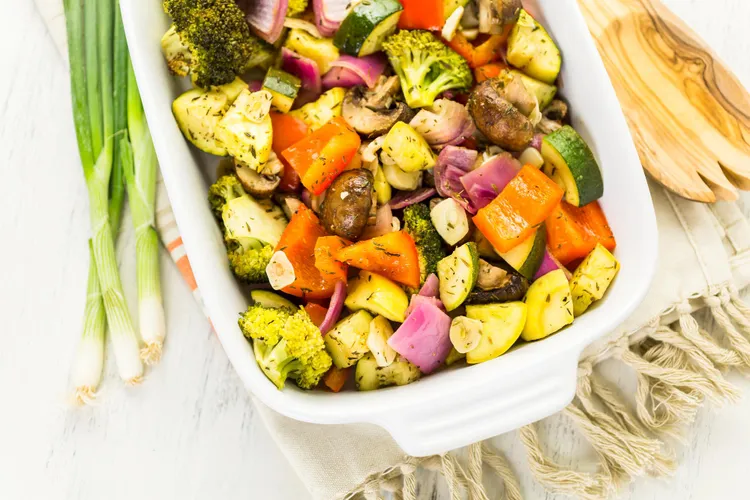
Slow-Roasted Vegetables
The technique is simple: lower the temperature, extend the time, don't crowd the tray.
Tomatoes (confit method): Halved on a tray with olive oil, garlic, thyme, a pinch of sugar. 140°C for 2-3 hours. The water evaporates slowly, flavour concentrates, edges caramelise. The result is somewhere between a fresh tomato and a sun-dried one - intensely flavoured, still slightly jammy. Used in the slow-roasted tomato tart in the quiet luxury cooking guide.
Root vegetables: Carrots, parsnips, beetroot. 160°C for 45-75 minutes depending on size. They develop deep caramelisation throughout, not just at the surface. The sugars in root vegetables convert more completely at lower temperatures over longer periods.
Garlic (whole head): Slice the top off a whole head of garlic, drizzle with olive oil, wrap loosely in foil, roast at 180°C for 45-50 minutes. The cloves become soft, sweet, spreadable - nothing like raw garlic. Squeeze over bread, into sauces, onto roasted vegetables.
Fennel: Halved lengthways, 160°C for 60-75 minutes. Fennel softens from fibrous and sharp to silky and mildly sweet. High heat fennel is perfectly fine; slow-roasted fennel is exceptional.
Slow-Roasted Proteins
Pork shoulder (bone-in): 150°C for 4-5 hours, or 130°C for 7-8. The long cook converts the heavy collagen in the connective tissue to gelatin - which is what produces the pull-apart texture and rich, slightly sticky quality of the braising liquid. You cannot achieve this at high heat: the muscle fibres tighten and dry out before the collagen has time to convert.
Lamb shoulder: Same logic, same temperatures. 150°C for 4 hours. The fat cap on lamb shoulder needs the extended time to render fully - at high heat it stays rubbery.
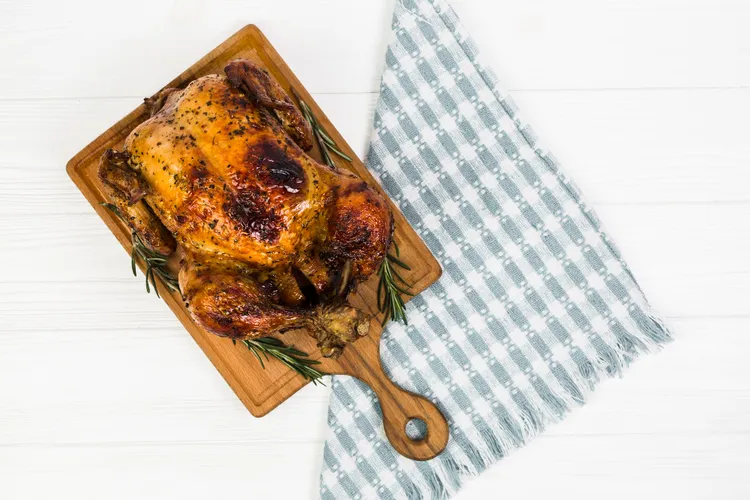
Chicken (whole): 150°C for 2 hours produces a chicken where both breast and thigh are cooked through at the same time - which is genuinely difficult to achieve at 200°C. The skin won't be crispy using this method alone; blast at 220°C for the final 15 minutes to colour it.
Salmon: 120°C for 25-30 minutes for a 600g piece. The result is silky, barely set salmon - texturally different from pan-seared, appropriate for very different applications. No crust, no colour, pure texture.
The Practical Advantages
Slow roasting is forgiving in a way that high-heat cooking isn't. A chicken that's been in the oven at 150°C for 2 hours and 15 minutes is fine. A chicken that's been at 220°C for 15 minutes too long is dry and disappointing. The extended time creates a buffer - the food reaches temperature and holds it rather than continuing to cook rapidly into overcooking. For anyone who finds timing stressful, this is the most practically important advantage of the technique.
Planning is the trade-off. Slow roasting requires thinking three to four hours ahead. For entertaining, this is actually an advantage: the oven does the work while you prepare other elements. For weeknight cooking, it's less convenient. The technique rewards planning.
For the broader context of how slow roasting fits into an approach to cooking built on technique over complexity, see the complete guide to quiet luxury cooking.
The Cartouche and the Tent: Managing Moisture
The difference between a slow roast that's succulent and one that's dried out often comes down to moisture management during cooking. A cartouche (a circle of baking paper pressed directly onto the surface of the food or liquid) slows evaporation without trapping steam the way a lid does - it's a semi-permeable cover that reduces surface drying while allowing some concentration to happen. Used primarily with braising liquids and slow-roasted tomatoes.
A foil tent - loosely draped foil over the top of a roasting tray - reduces convective drying without sealing in steam. Use for whole proteins (whole lamb shoulder, whole chicken) in the first stage of slow roasting, then remove for the final 30-45 minutes to allow the surface to caramelise. The tent stops the surface from drying and toughening before the interior has reached temperature.
Slow Roasting and Make-Ahead Cooking
Slow-roasted dishes are among the best make-ahead cooking options because they actually improve after resting and reheating. A lamb shoulder slow-roasted on Friday is better served Saturday - the collagen-to-gelatin conversion continues in the resting period, the flavours deepen, and the meat becomes even more tender as the protein fibres relax. Reheat covered with a splash of the cooking liquid at 160°C for 20-30 minutes.
Slow-roasted tomatoes, garlic confit, and other vegetable preparations store well refrigerated for 4-5 days in olive oil. They become a building block for weeknight cooking - already flavoured, already cooked, requiring only incorporation into a dish. This make-ahead logic is part of what makes slow roasting work for busy schedules: the effort is concentrated on one afternoon or evening, and the output lasts the week.
Low-Temperature Overnight Cooking
At temperatures below 100°C, meat can be cooked overnight safely - the low temperature maintains a stable environment that holds the food at the target internal temperature without continuing to cook it past that point. Pork shoulder at 90°C for 10-12 hours overnight is a reliable technique used in restaurant kitchens for Sunday lunch service prep. The result is pulled-pork texture without any braising liquid required - the fat and collagen in the shoulder provide all the moisture internally.
Safety note: the oven must hold a consistent temperature above 63°C (the minimum safe temperature for pork) throughout the cooking period. This requires an oven you trust - not all domestic ovens are accurate below 120°C. If in doubt, use 110-120°C rather than going lower, and reduce the time accordingly to 7-8 hours.
Slow Roasting as the Base of a Meal Plan
A slow-roasted joint on Sunday afternoon generates multiple weeknight meals with minimal additional effort. Slow-roasted chicken: the meat feeds Sunday dinner and Monday's lunch (pulled into a grain bowl or sandwich), the carcass makes a stock that's ready Tuesday. Slow-roasted lamb shoulder: serves a dinner party on Saturday, generates lamb-topped flatbreads on Sunday, and the remaining braising liquid becomes the base of a soup. The time investment in slow roasting is front-loaded, but the returns are distributed across the week.
For how slow roasting connects to broader technique-based cooking - and the ten recipes that demonstrate it - the complete quiet luxury cooking guide shows where this method fits in the overall picture.
Vegetables That Transform Through Slow Roasting
Some vegetables are revelatory when slow-roasted; others don't benefit meaningfully from the extended time. The ones that transform: tomatoes (as covered - the confit method), celeriac (becomes silky, deeply nutty, entirely different from its raw state), fennel (sweetness emerges, anise note softens), beetroot (earthy and intensely flavoured, particularly good wrapped in foil at 160°C for 75-90 minutes), garlic (transforms from sharp to sweet and spreadable), onions and shallots (break down completely to a jammy, sweet concentrate).
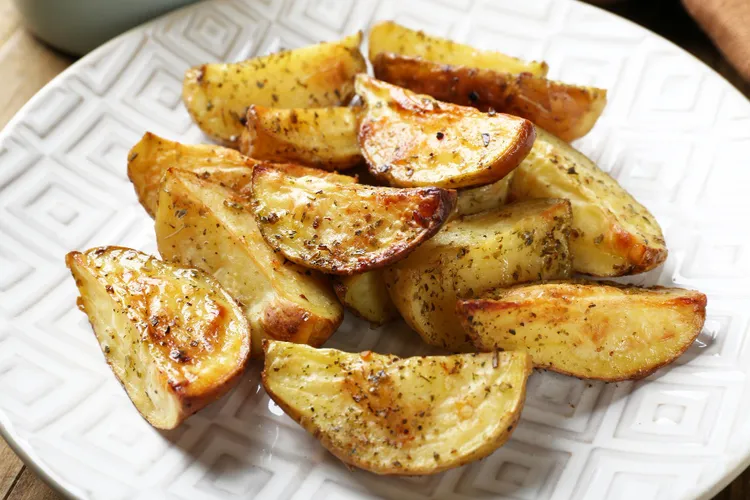
Less transformative through slow roasting alone: brassicas (broccoli, cabbage), asparagus, most greens - these are better with high heat for caramelisation rather than extended low heat, which softens without adding depth. Potatoes can go either way: slow-roasted at 160°C they become creamy throughout; high-roasted they crisp. Choose based on the texture you want.
The Science of Collagen Conversion
Understanding why slow roasting works for tough cuts requires understanding collagen. Collagen is the protein that forms connective tissue in muscle - it's what makes a cheap cut tough and chewy if cooked too fast. At temperatures above 70°C, collagen begins to convert to gelatin (a process called hydrolysis), but this conversion is both time and temperature dependent. At 85-90°C, it takes 10-12 hours to convert most of the collagen in a pork shoulder. At 160°C, it takes 3-4 hours. The collagen must convert for the meat to become tender; you can't shortcut the time without raising the temperature, and raising the temperature too much dries out the muscle fibres before the collagen finishes converting.
The practical implication: the cuts that benefit from slow roasting (shoulder, shin, oxtail, cheek, belly) are the ones with high collagen content. The cuts that don't need it (loin, fillet, rack) have little collagen and become tougher, not more tender, with extended cooking. Matching the technique to the cut is fundamental.
This understanding - of what's actually happening in the oven, not just what the recipe says to do - is what allows you to improvise and troubleshoot. A pork shoulder that doesn't pull after 4 hours at 150°C needs more time, not more heat. A chicken breast that's dry after 30 minutes at 220°C was always going to be dry at that temperature and time; the solution is a lower temperature or a shorter cook. The quiet luxury cooking guide applies this principle throughout its ten recipes.
Temperature Calibration and Oven Accuracy
Domestic oven thermostats are notoriously inaccurate - variance of ±20°C from the set temperature is common, and the variance is often consistent in one direction (usually running hot). For high-heat cooking, this is a minor inconvenience. For slow roasting at 130-160°C, a 20°C error represents a 13-15% deviation from the target temperature, which meaningfully affects both cooking time and the collagen-conversion process.
An oven thermometer (inexpensive, available everywhere) resolves this entirely. Place it in the centre of the oven, set your temperature, check the thermometer after 15 minutes. If there's a gap, adjust your dial to compensate. Do this once, note the offset, and apply it every time you slow roast. It's a one-time calibration that improves every slow-cooked result you make thereafter.
Fan-assisted ovens (convection) cook faster and more evenly than conventional ovens because the circulating air removes the thin layer of cool air that sits against the food surface in a still oven. For slow roasting, reduce the set temperature by 10-15°C compared to a conventional oven setting, or reduce the time by roughly 15-20%. Most recipes are written for conventional ovens unless specified otherwise.
Using the Residual Heat
At the end of a long slow roast, the oven is hot and the food is done - but there's still residual heat available for 30-40 minutes as the oven cools down. This is useful time: rest the roasted protein in the turned-off oven (door slightly ajar to prevent further cooking) while you prepare the sauce and accompaniments; or use the cooling oven to gently warm bread, soften butter, or keep plates at serving temperature. Slow roasting's long cooking window creates space in the schedule that high-heat cooking doesn't - the food is done before you're ready to serve, and the oven's residual warmth is a resource, not waste. For the full collection of techniques this applies to, the quiet luxury cooking guide covers the complete picture.
Slow Roasting in Practice: A Weekly Framework
The most practical way to integrate slow roasting into a regular cooking routine is to treat it as a Sunday afternoon activity that generates weekday meals. The time investment is largely passive - 3-4 hours in the oven requires maybe 20 minutes of active work (seasoning and preparing the protein, making the sauce after it comes out). Everything else happens without you.
A practical Sunday slow roast generates: the main meal (Sunday dinner), a second meal from the leftovers (Monday or Tuesday - pulled meat in a grain bowl, sliced cold with a salad, shredded into a pasta sauce), and often a stock or braising liquid that becomes the base of a soup or risotto mid-week. One afternoon's passive cooking produces three to four meals. This is the quiet luxury approach applied to meal planning: deliberate, efficient, producing results that taste like effort even when most of the work was done by the oven. The full collection of recipes that use this approach - including the slow-roasted tomato tart and the pan-roasted chicken - is in the complete quiet luxury cooking guide.
Latest