How to Store Fresh Sage So It Doesn't Go Limp
Fridge storage specifics for sage's sturdier leaves, which hold up longer than basil or dill.
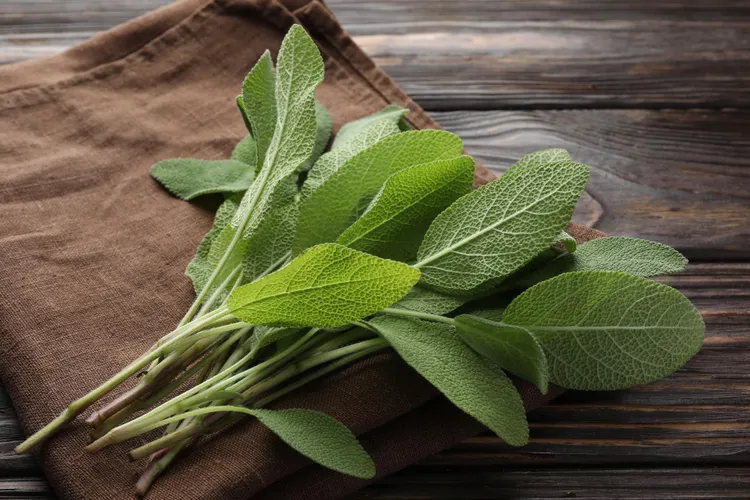
Sage's sturdier leaves are more forgiving in storage than delicate herbs, but that doesn't mean tossing it loose in the crisper drawer gets the best results. A little setup still meaningfully extends how long it stays usable.
Why Sage Holds Up Better Than Soft Herbs
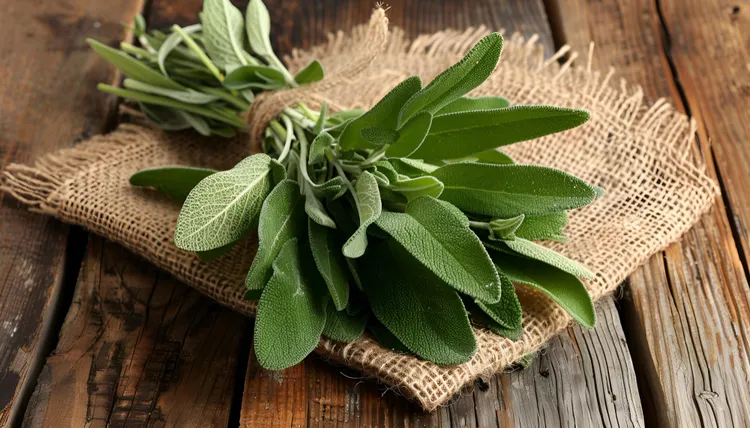
Sage's thicker, slightly fuzzy leaf structure loses moisture more slowly than a delicate herb like basil or dill, and unlike basil, sage isn't damaged by cold refrigerator temperatures. This means sage can go straight into the fridge without the special handling basil needs, and it naturally lasts longer once cut.
The Best Storage Method
Wrap fresh sage loosely in a slightly damp paper towel, then place in a partially sealed plastic bag or container in the fridge. This is similar to the method used for dill, and works well for sage's sturdier leaves too. Check every few days and re-dampen the towel if needed.
Sage stored this way commonly lasts 2 to 3 weeks, notably longer than basil's week or dill's week to ten days, a reflection of its naturally lower moisture content and hardier leaf structure.
An Alternative: Just the Fridge Drawer
Sage tolerates being stored loose in a fridge's crisper drawer better than more delicate herbs, though it will dry out faster than with the damp towel method. If a damp towel setup isn't practical, sage kept loose in the crisper still typically holds for 1 to 2 weeks before becoming noticeably dry and brittle.
Signs Sage Is Past Its Best
Sage doesn't blacken or turn slimy the way more delicate herbs do when they spoil. Instead, watch for leaves that have become notably dry, brittle, and faded in color, a sign it's lost most of its moisture and is better suited to being dried intentionally than used fresh. Any actual sliminess or mold, though rarer with sage than with soft herbs, means it's time to discard it.
Common Mistakes
- Treating sage exactly like basil. Sage doesn't need basil's specific cold-avoidance requirements; the fridge is the right place for sage.
- Washing sage well before storing. Like other herbs, extra surface moisture during storage can encourage spoilage faster than storing it dry and washing right before use.
- Assuming sage lasts indefinitely because it's sturdy. It holds up longer than soft herbs, but it still eventually dries out and loses flavor; use it within a few weeks for the best results.
Frequently Asked Questions
Can sage be stored the same way as rosemary or thyme?
Yes, sage's storage needs are similar to other woody Mediterranean herbs; all generally do well with the damp towel method or simply stored loosely in the crisper drawer.
Does sage freeze well if I want to store it longer term?
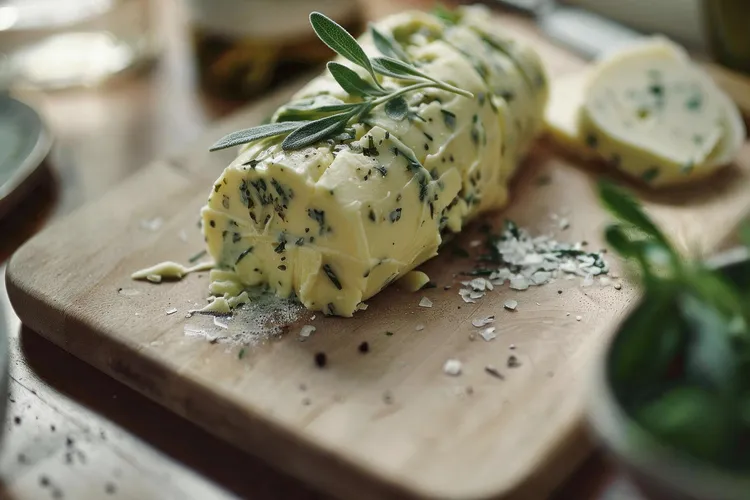
Yes, though it's less commonly frozen than basil or dill since drying works so well for sage and takes up less space. If freezing, whole leaves or a compound butter (see Sage Butter) both work well.
Can I revive sage that's started to dry out in storage?
Not really in the way wilted basil can sometimes be revived; sage that's dried out in storage is best used as if it were intentionally dried, in a cooked dish, rather than expecting it to regain fresh texture.
Choosing Between Fresh Storage and Drying Right Away
Given how long fresh sage already keeps, it's worth thinking about whether a given bunch is actually headed for fresh use within the next couple of weeks, or whether it makes more sense to dry it right away rather than storing it fresh and letting it slowly decline. If several sage-forward meals are already planned for the near future, fresh storage makes sense. If a larger amount has come in with no immediate plan for it, drying preserves the investment better than hoping to work through it before it dries out on its own in the fridge.
Traveling or Transporting Fresh Sage
Because sage tolerates handling better than a delicate herb, it travels reasonably well wrapped in a slightly damp towel inside a sealed container for a day trip or a short car ride, without the more elaborate care basil would need for the same trip. For longer travel, treat it the same as standard fridge storage once it reaches its destination.
Common Mistakes
- Treating sage exactly like basil. Sage doesn't need basil's specific cold-avoidance requirements; the fridge is the right place for sage.
- Washing sage well before storing. Like other herbs, extra surface moisture during storage can encourage spoilage faster than storing it dry and washing right before use.
- Assuming sage lasts indefinitely because it's sturdy. It holds up longer than soft herbs, but it still eventually dries out and loses flavor; use it within a few weeks for the best results.
- Storing a bunch fresh with no real plan for it. If there's no near-term use in mind, drying is usually the more efficient choice than letting fresh sage slowly decline in the fridge.
Frequently Asked Questions
Can sage be stored the same way as rosemary or thyme?
Yes, sage's storage needs are similar to other woody Mediterranean herbs; all generally do well with the damp towel method or simply stored loosely in the crisper drawer.
Does sage freeze well if I want to store it longer term?
Yes, though it's less commonly frozen than basil or dill since drying works so well for sage and takes up less space. If freezing, whole leaves or a compound butter (see Sage Butter) both work well.
Can I revive sage that's started to dry out in storage?
Not really in the way wilted basil can sometimes be revived; sage that's dried out in storage is best used as if it were intentionally dried, in a cooked dish, rather than expecting it to regain fresh texture.
Does store-bought sage store differently than garden-harvested sage?
Not meaningfully; the same damp towel method works well for either, though store-bought sage may already be a few days old by the time it's purchased, so its remaining fresh shelf life will be somewhat shorter.
Tips for Success
Because sage keeps considerably longer than other fresh herbs, it's a reasonable one to buy or harvest a bit further ahead of when you'll use it. Planning a couple of sage-forward meals into an upcoming week's meal plan when a fresh bunch is on hand helps make good use of it before it needs to become a drying project instead.
Latest