Sage Butter: A Compound Butter for Roasting and Bread
A sage compound butter recipe with a log-and-freeze method for easy portioning.
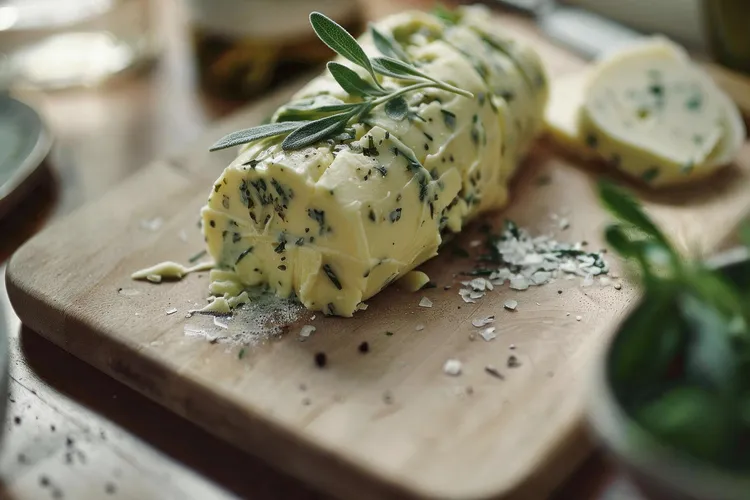
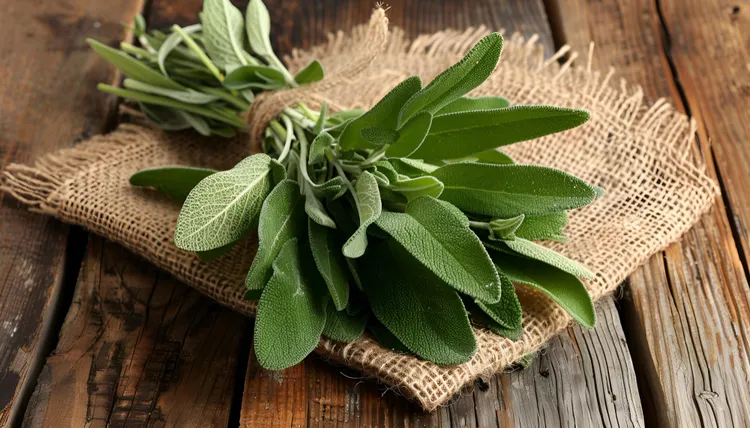
A dedicated sage compound butter is worth keeping in the freezer since it covers so much ground: roasting, finishing a pan sauce, or simply spread on warm bread.
Basic Recipe
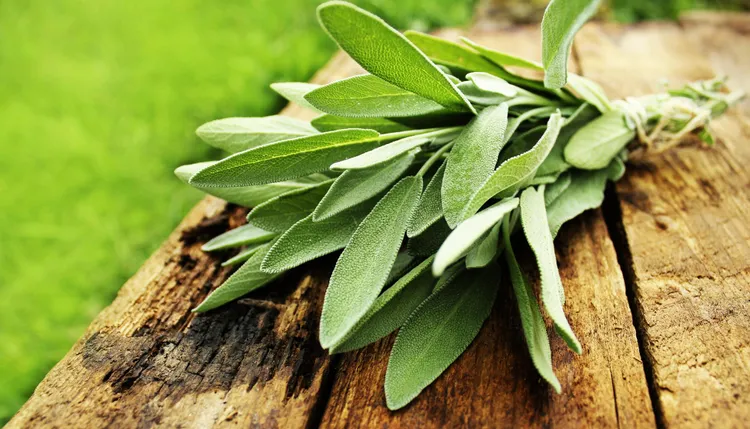
Combine 1/2 cup softened unsalted butter with 1 to 2 tablespoons finely chopped fresh sage, 1 small clove garlic (grated or very finely minced), and salt to taste. Mash together with a fork until evenly combined. Sage's boldness means this butter needs less herb by volume than an equivalent basil or dill butter; start with the lower end of the range and taste before adding more.
The Log-and-Freeze Method
- Spoon the butter mixture onto a sheet of parchment or plastic wrap in a rough line
- Roll into a log about 1 to 1.5 inches thick, twisting the ends closed tightly
- Freeze flat for at least 2 hours, or until fully solid
Slice straight from frozen with a sharp knife; each round, about a quarter-inch thick, is one portion.
Storage Life
Refrigerated, sage butter keeps about 1 to 2 weeks, a bit longer than a soft-herb butter given sage's sturdier composition. Frozen, it holds good flavor for up to 4 months.
Ways to Use It
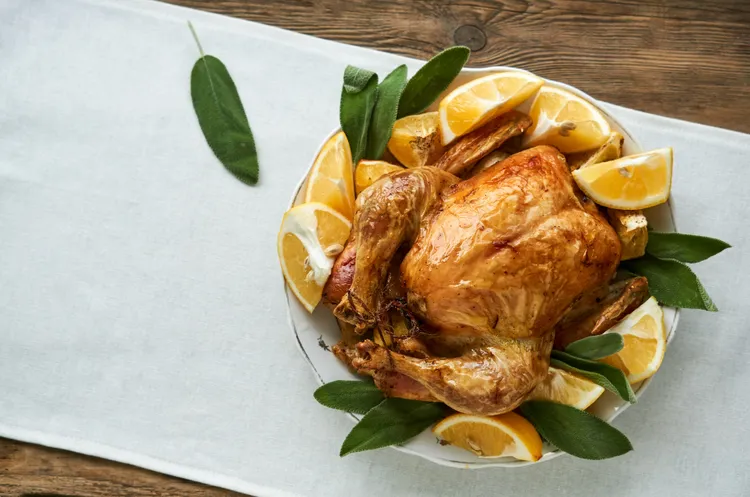
- Under the skin of roasting poultry: see Sage Roasted Chicken and Turkey for the full method
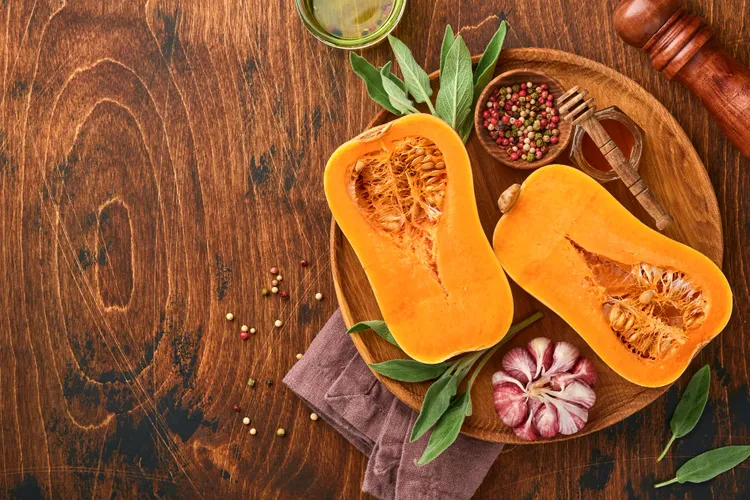
- Melted over roasted squash or root vegetables: a slice melted over hot squash or potatoes right before serving
- Finishing a pan sauce: whisk a slice into the pan after searing pork chops or chicken for a quick, flavorful sauce
- On bread: spread on warm crusty bread as an easy way to use a small amount
Common Mistakes
- Using too much sage. Because sage is more potent than most fresh herbs, following a basil or dill butter ratio directly usually results in an overpowering butter; use noticeably less sage by volume.
- Using wet, freshly rinsed sage. Excess moisture can make the butter slightly grainy once frozen and thawed. Pat sage fully dry before chopping.
- Slicing while still soft. Let the log firm up fully in the freezer before the first slice, or it will smear rather than cut cleanly.
Frequently Asked Questions
Can I add other ingredients to sage butter?
Yes, a small amount of grated Parmesan or a pinch of lemon zest both pair well with sage without overwhelming it.
How far ahead can I make this for a holiday meal?
It can be made well in advance and frozen as a log, sliced only when needed, which makes it a good make-ahead component for a busy holiday cooking schedule.
Can I use dried sage instead of fresh?
Fresh is preferred since the butter isn't cooked, but a small amount of dried sage, less than the fresh quantity called for, can work if fresh isn't available.
Choosing Salted or Unsalted Butter
Unsalted butter is the better starting point since it allows precise control over the total salt level, particularly important given how many of this butter's uses, like under poultry skin or finishing an already-seasoned pan sauce, involve other salted components. If only salted butter is available, reduce or skip the added salt and adjust to taste at the end.
Batching for Holiday Cooking
Because this butter freezes so well and holds its flavor for months, it's a practical make-ahead component for a busy holiday cooking season. Making a double or triple batch in early fall, when sage is often at its most abundant, and keeping several logs in the freezer means it's ready whenever a roast, a side dish, or a bread basket calls for it without needing a separate prep step each time.
Common Mistakes
- Using too much sage. Because sage is more potent than most fresh herbs, following a basil or dill butter ratio directly usually results in an overpowering butter; use noticeably less sage by volume.
- Using wet, freshly rinsed sage. Excess moisture can make the butter slightly grainy once frozen and thawed. Pat sage fully dry before chopping.
- Slicing while still soft. Let the log firm up fully in the freezer before the first slice, or it will smear rather than cut cleanly.
- Chopping sage too coarsely. Because sage is more fibrous than a soft herb, larger pieces can feel tough in the finished butter; chop it finely for the best texture.
Frequently Asked Questions
Can I add other ingredients to sage butter?
Yes, a small amount of grated Parmesan or a pinch of lemon zest both pair well with sage without overwhelming it.
How far ahead can I make this for a holiday meal?
It can be made well in advance and frozen as a log, sliced only when needed, which makes it a good make-ahead component for a busy holiday cooking schedule.
Can I use dried sage instead of fresh?
Fresh is preferred since the butter isn't cooked, but a small amount of dried sage, less than the fresh quantity called for, can work if fresh isn't available.
Does this butter work well for basting during roasting, not just finishing?
Yes, a slice or two melted and brushed over a roast partway through cooking works well as a basting butter, in addition to its use as a finishing touch.
Tips for Success
Use softened, not melted, butter so the log holds its shape and the sage stays evenly distributed rather than sinking. Since this butter keeps well for months frozen, it's worth making ahead of a holiday meal and noting it in the meal plan for that day so it doesn't get forgotten in the freezer.
Latest