7-Day 30-Plant Meal Plan: A Full Week With Every Plant Listed
A complete mapped week of flexitarian meals with every plant counted per day. By Friday you'll have hit 38 distinct plants using only standard supermarket ingredients, normal cooking times, and no recipes that require more than 30 minutes of active work.
This plan is mapped, not aspirational. Every plant is counted, every meal uses standard supermarket ingredients, and the active cooking time for any one meal stays under 30 minutes. By Friday, the running total is 38 distinct plants. By Sunday, it's higher. The meals below are suggestions - swap freely within the framework. What matters is the structural logic: a plant-dense breakfast, a grain-and-legume lunch, a vegetable-forward dinner, and snacks that add variety rather than just calories.
Before You Start: The Pantry Foundation
This plan assumes you have the basics from the 30-plant pantry guide: mixed grain oats, mixed bean tins, mixed seeds, mixed frozen berries, a curry spice blend, smoked paprika, cumin, coriander, dried herbs, and nut butter. Without these, the plant counts below won't hold. With them, many of the plants in this plan arrive passively - from your existing pantry - rather than requiring specific shopping.
Monday - Target: 12 plants
Breakfast: Mixed grain overnight oats with chia seeds, flaxseeds, frozen mixed berries (strawberry, blueberry, raspberry), and almond butter. Plants: oats, rye flakes, barley (3) + chia, flax (2) + strawberry, blueberry, raspberry (3) + almonds (1) = 9 plants. Coffee with it = 10 plants.
Lunch: Wholemeal pitta with hummus, sliced cucumber, tomato, and spinach. Plants: wheat (wholemeal) + chickpeas (hummus) + cucumber + tomato + spinach = 5 new plants. Running total: 15.
Dinner: Red lentil dal with onion, garlic, ginger, cumin, coriander, turmeric, tinned tomatoes, served with brown rice. Plants: red lentils + onion + garlic + ginger + cumin + coriander + turmeric + brown rice = 8 new plants. Running total: 23.
Snack: Mixed nuts. Plants: walnuts, almonds (already counted), cashews, hazelnuts = 2-3 new plants. Monday total: 25-26 plants.
Tuesday - Target: reach 30
Breakfast: Seedy rye crispbreads with peanut butter and banana. Plants: rye + peanuts + banana = 3 new plants. Running total: 28-29.
Lunch: Mixed grain bowl with quinoa and brown rice base (use a mixed grain pouch), roasted broccoli, mixed beans, tahini dressing with lemon and smoked paprika. Plants: quinoa (new) + broccoli + mixed beans (kidney, cannellini, borlotti = if not already in Monday's mix) + sesame (tahini) + lemon + smoked paprika = up to 6 new plants. Running total: 30+ by Tuesday lunch.
Dinner: Pasta with roasted cherry tomatoes, garlic (already counted), cannellini beans, spinach (already counted), and oregano. New plants: oregano. Running total: 35+.
Wednesday
Breakfast: Smoothie bowl - blended frozen mango, banana (already counted), oats (already counted), topped with pumpkin seeds (from mixed seeds, already counted), fresh kiwi. New plants: mango + kiwi = 2 new plants.
Lunch: Lentil soup (green lentils - different from Monday's red) with carrot, celery, bay leaf, thyme. New plants: green lentils + carrot + celery + bay leaf + thyme = 5 new plants.
Dinner: Spiced black bean tacos - black beans, shredded red cabbage, avocado, corn tortillas (corn), fresh coriander leaf, lime. New plants: black beans + red cabbage + avocado + corn + coriander leaf + lime = 6 new plants. Running total: 48+. Well above 30 by Wednesday evening.
Thursday
Focus: Staying varied rather than repeating. Introduce at least 2-3 plants not yet eaten this week.
Breakfast: Eggs on wholemeal toast with sliced tomato (already counted) and a handful of watercress. New plants: watercress = 1 new plant.
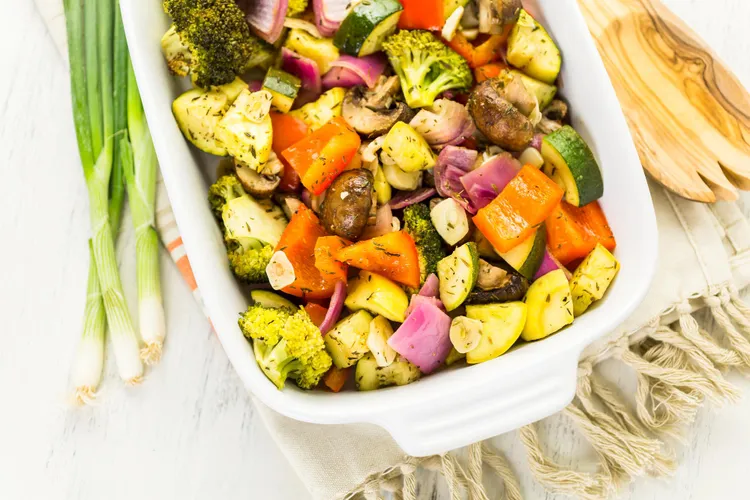
Lunch: Tray bake of sweet potato, courgette, red pepper, and red onion with garam masala (blend), roasted and served over farro. New plants: sweet potato + courgette + red pepper + red onion + farro + garam masala spices (cardamom, cinnamon, cloves, nutmeg - if not yet counted) = up to 10 new plants.
Dinner: Stir-fry with edamame, pak choi, shiitake mushrooms, spring onions, ginger (already counted), soy sauce, sesame oil (sesame already counted), brown rice (already counted). New plants: edamame + pak choi + shiitake + spring onion = 4 new plants.
Friday
Use-up day. Friday is a good day to use whatever vegetables are left from the week's shopping and any partial tins. A frittata with leftover roasted vegetables, or a soup made from remaining produce, typically adds 2-4 more plants. A piece of dark chocolate in the evening = 1 more plant.
Cumulative total across Monday-Friday: 60-70 distinct plants. Well above 30. The target is comfortably exceeded by Tuesday.
Weekend
Saturday: Pancakes using wholemeal flour, oat milk (oats already counted), served with sliced strawberries (already counted) and maple syrup. Or a slow-cooked bean chilli with mixed peppers, black beans, kidney beans, chipotle, cumin, coriander, and dark chocolate (mole-style). New plants: chipotle chilli (if not yet used) + dark chocolate + any new vegetable = 2-4 new plants.
Sunday: A slow-cooked meal - roasted whole cauliflower with spice crust, mixed grain risotto, or a chickpea and vegetable tagine. One more day of varied eating that continues the diversity habit into the following week.
Notes on Flexibility
This plan is a framework, not a prescription. The structural logic - plant-dense breakfast, grain-and-legume lunch, vegetable-forward dinner - is what produces the 30+ count. The specific meals are interchangeable. If you cook the West African Slow Cooker Chickpea Curry (recipe here) on Tuesday, it covers 12+ plants in one dish and simplifies the rest of the week. If you skip dinner one night and eat a snack instead, the breakfast and lunch habits carry enough plants to stay above 30.
For the habits that make this kind of week automatic rather than planned, the practical weekly system and the full challenge guide have the detail. The budget shopping list covers how to buy everything in this plan for under £40.
Adapting the Plan for One Person
The plan above is written for a household of two, but most elements scale down simply. The batch-cooked grains and roasted vegetables are the most efficient for one person: cook on Sunday, portion into single-serve containers, use through the week. A single person eating varied lunches and dinners through the week typically generates less food waste from plant-forward cooking than from meat-centred cooking, because grains, legumes, and frozen vegetables don't spoil quickly.
The breakfast formats are inherently single-portion. The dinners that work best for solo cooking are grain-based dishes (dal, grain bowls, spiced stews) that make 2 portions and provide tomorrow's lunch. This halves the active cooking time per meal and doubles the efficiency of the plant diversity investment per cook session.
Adapting for Families with Children
The spice levels in several meals above (particularly the dal and the black bean tacos) need adjustment for children who aren't used to heat. The plant diversity is maintained by using the same base - lentils, mixed beans, mixed grains - with a milder spice profile: cumin and mild paprika without chilli, coriander without cayenne, cinnamon without cloves. The plant count stays the same; the heat level drops. Most children accept these flavours willingly, particularly when they're used to them from an early age. Starting a child's diet with plant-diverse flavours is the most reliable way to raise an unfussy eater.
Using the Plan as a Template Rather Than a Script
The specific meals in this plan are suggestions. The structural logic is what matters: plant-dense breakfast (8-10 plants), grain-and-legume lunch (8-12 plants), vegetable-forward dinner (8-12 plants). If you hit those targets with different specific meals, the weekly plant count holds. The plan is most useful as a reference for the first two weeks of the challenge, showing what a 30+ plant week actually looks like in practice. After that, the habits in the practical weekly system take over and the meal plan is a fallback rather than a guide. The full context for how this plan fits into the challenge is in the 30-plant challenge overview.
Plant Count Summary by Day
For reference, the approximate new plant additions by day in the plan above:
- Monday: 25-26 new plants (the biggest day - first day of the week, all plants are new)
- Tuesday: 5-8 new plants (hit 30 by Tuesday lunch)
- Wednesday: 8-10 new plants (further variety additions)
- Thursday: 6-10 new plants (introduce plants not yet in the week)
- Friday: 2-4 new plants (use-up day, few new plants remain)
- Weekend: 2-5 new plants (one or two new items per day)
The shape of the week naturally front-loads new plants in the first two days and tapers toward the end - which is fine, because the 30-plant target is already exceeded by Tuesday. The later-week meals contribute to ongoing microbiome support even when they don't add new plants to the weekly count.
Tracking This Plan
When using this plan as a tracking reference, add each plant to your weekly list as it appears. By the end of Monday you should have 20-25 items on the list. By Tuesday lunch, 30+. From Wednesday onwards, tick off meals you're eating without expecting every meal to add new plants - the target is met, the habit is running. For the broader tracking approach, the practical weekly system and challenge guide cover how tracking evolves from active in week 1 to passive from week 4 onwards.
Generate a personalised 30-plant meal plan with the weekly meal prep planner.
A Note on Plant Repetition
The meal plan above contains some plants that appear across multiple days - garlic and onion appear in almost every dinner, for example, and oats appear at breakfast three or four times. This is correct: garlic eaten on Monday, Tuesday, and Thursday is still one plant for the week. Repetition of individual plants isn't a problem for the diversity count (it's already counted after Monday) or for gut health (feeding the same bacterial communities repeatedly maintains those populations). What matters for the diversity count is that each new plant added during the week is genuinely new. The goal by the end of the week is a list of 30+ distinct plant species, regardless of how many times any of those species appeared across the week's meals. The meal plan demonstrates this: high-repetition structural plants (onion, garlic, tomatoes, spice base) appear throughout the week while intentional diversity additions (new vegetables, different legume species, new grains, different spice blends) are introduced at specific meals to push the running total forward. For the full system behind this approach, the challenge overview covers every element from pantry to tracking.
Next Steps After Week One
After completing one mapped week using this plan, most people have a clearer sense of where their plant diversity comes from naturally and where they need to be deliberate. Week two: use the same structural approach (plant-dense breakfast, grain bowl lunch, spiced dinner) but vary the specific plants within each format. Introduce one grain you didn't eat in week one, one different legume, and two or three vegetables you don't normally buy. By week four, the format is instinctive and the specific meals are whatever appeals and what's in the fridge. For the complete system behind this progression, the challenge overview and practical system are the references.
The Minimal Version
If the full 7-day plan feels complex, the minimal version of the same system produces 30 plants with even less planning. Every day: mixed grain overnight oats with seeds and berries at breakfast (8 plants), a mixed bean and vegetable soup or grain bowl for lunch (10 plants), a spiced legume or vegetable dinner for two days + whatever you want the other five nights. This three-element pattern - varied breakfast, grain-and-legume lunch, one deliberate spiced dinner - covers 30 plants through the week without requiring meal planning beyond those three touchpoints. Everything else in the week contributes additional plants without being the primary strategy. The challenge guide and practical system cover both the structured and minimal approaches. The seven days above demonstrate what 30+ plants per week looks like in practice for a flexitarian household. The structure is reproducible across any week with any seasonal substitutions within each category. Once the format is familiar, the specific meals require no planning beyond the Sunday prep session that batch-cooks the grain and legume bases.
The most important thing a meal plan can demonstrate is that the target is achievable within normal cooking. This one does that. Thirty plants by Tuesday, fifty-plus by Sunday, using only ingredients available in any supermarket, prepared in meals that take under 30 minutes of active cooking. The system works. Start Monday.
Latest