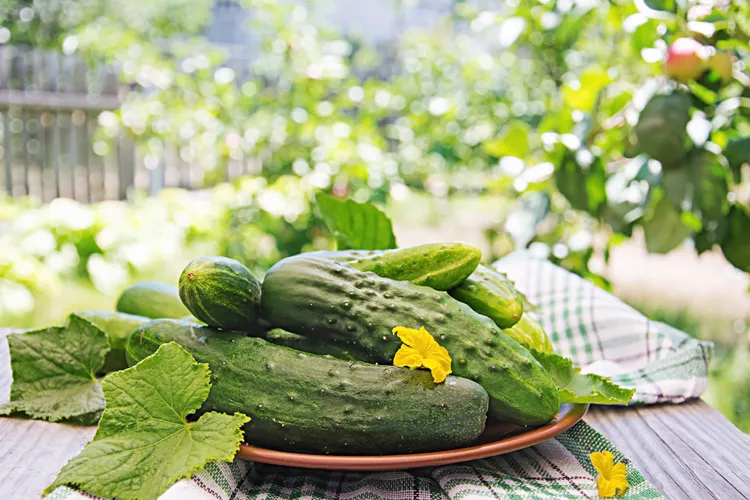
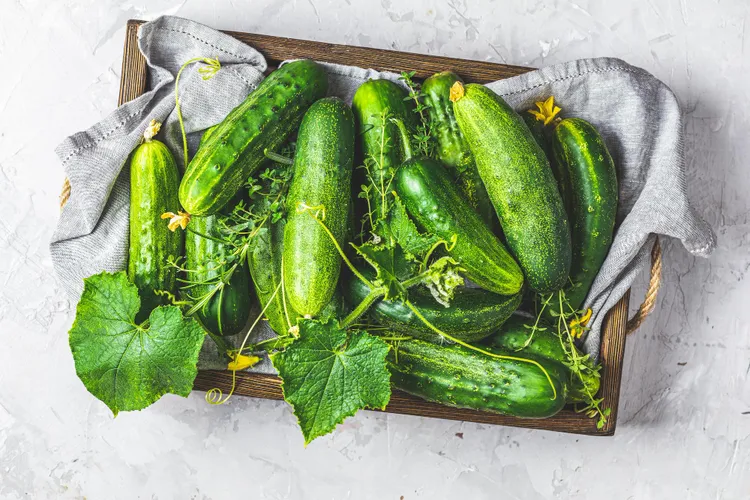
Planting Cucumbers (Direct Sow, Bush vs. Vining, Slicing vs. Pickling)
Why direct sowing often beats starting cucumbers indoors, how to choose between bush and vining growth habits, and slicing versus pickling varieties.
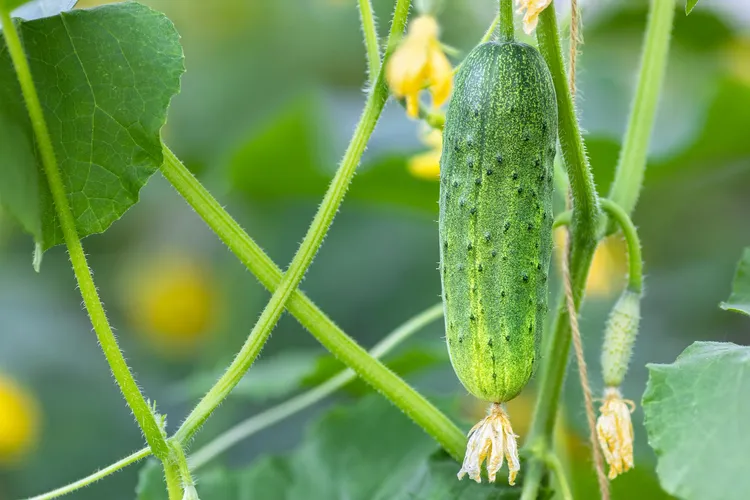
Cucumbers grow fast enough, and dislike root disturbance enough, that direct sowing outdoors is often the more practical starting point for a home gardener, a genuine point of difference from several of the slower, more deliberately started crops covered elsewhere in this framework.
Direct Sowing vs. Starting Indoors
Cucumber seeds germinate quickly in warm soil, typically within 7 to 10 days, and the plants grow fast enough afterward that direct sowing outdoors, once soil has warmed past 70°F (21°C), often catches up to or outpaces an indoor-started transplant within a few weeks. Cucumbers also dislike having their roots disturbed during transplanting more than many other vegetables, which is why direct sowing, or starting in biodegradable pots that go straight into the ground without disturbing roots, is generally preferred over standard transplanting.
In climates with a shorter growing season, starting seed indoors 2 to 3 weeks before the last frost, in individual pots to avoid root disturbance at transplant time, gives a meaningful head start without the risk a fully outdoor direct-sow schedule carries in a compressed season.
Choosing Between Bush and Vining Varieties
This decision, made at planting time, determines whether trellising is worth setting up before plants go in the ground.
- Vining varieties: Sprawl extensively without support, or climb vertically with a trellis, producing more total fruit over a longer season than most bush types. Trellising a vining variety saves considerable ground space, improves airflow (reducing disease pressure), and makes fruit easier to spot and harvest, all genuine advantages worth the modest setup effort.
- Bush varieties: Compact, non-sprawling growth suited to smaller gardens or container growing, typically producing a more concentrated harvest over a shorter window than vining types, with lower total yield per plant but less space required.
For a first-time grower with reasonable garden space, a trellised vining variety is often the more productive and disease-resistant choice, though bush varieties remain the better fit for container growing or a genuinely small garden footprint.
Slicing vs. Pickling Varieties
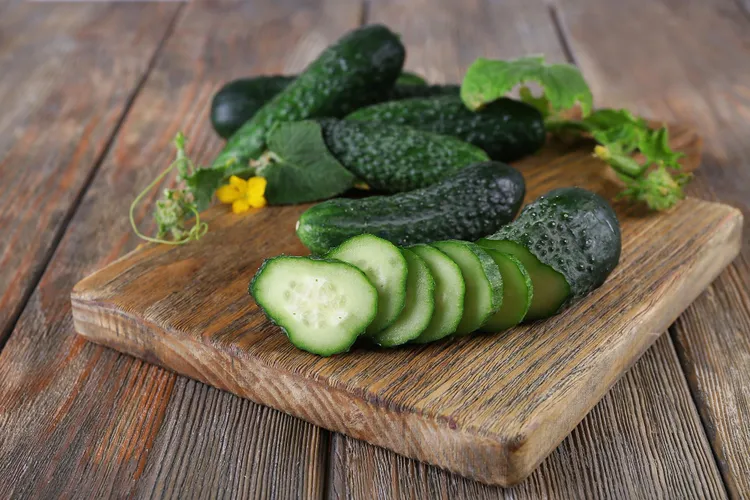
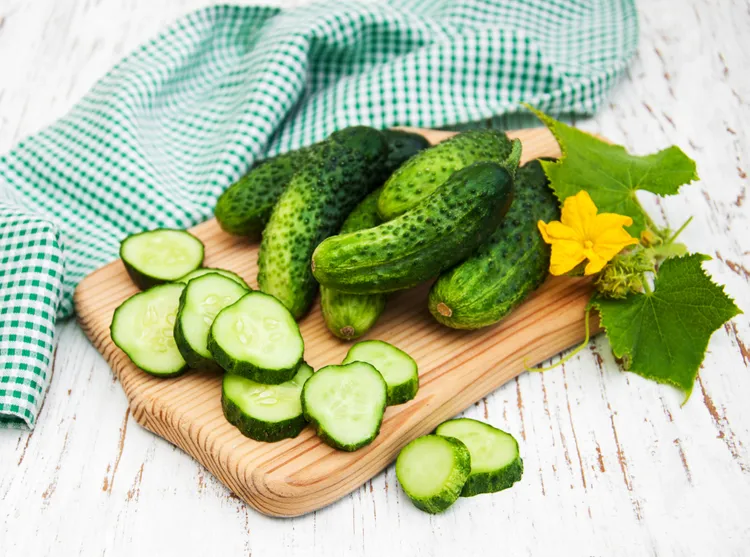
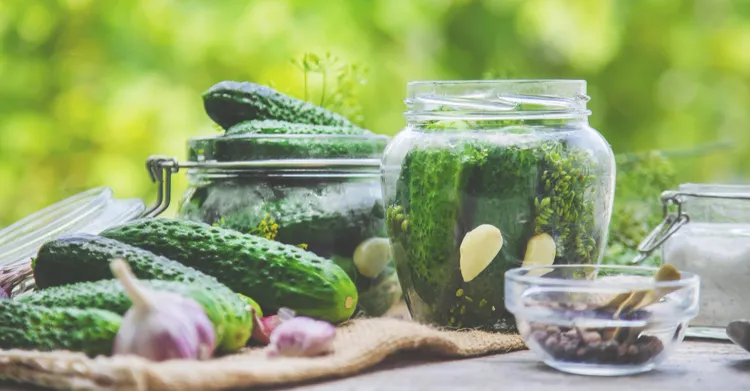
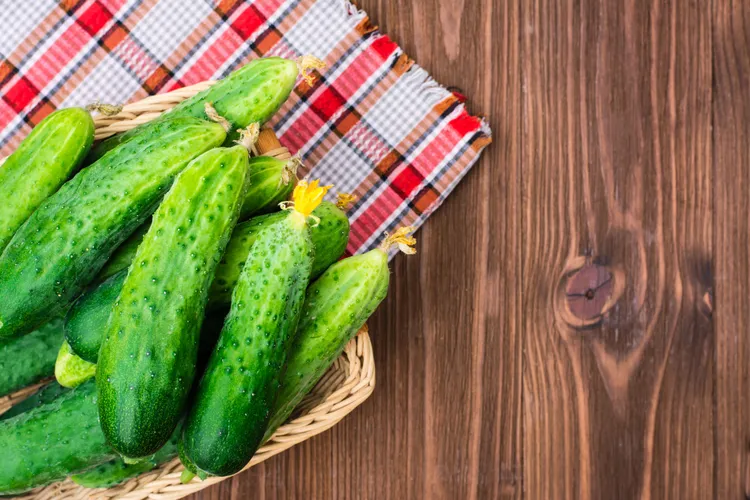
Beyond growth habit, cucumber varieties are also bred for different end uses. Slicing cucumbers, the type most commonly found whole in grocery stores, are bred for eating fresh, with thinner skin and a milder flavor. Pickling cucumbers are bred smaller, denser, and with fewer seeds, holding up better to the pickling process covered later in this framework and producing a crisper final pickle than a slicing variety typically would. A gardener planning to pickle a meaningful portion of their harvest is better served planting at least some dedicated pickling variety rather than relying entirely on slicing cucumbers for that purpose.
When to Plant
Cucumbers are frost-sensitive at every growth stage and should go into the ground, whether by seed or transplant, only after soil has warmed and all frost risk has passed, generally similar timing to tomatoes and other warm-season crops covered elsewhere in this content series. Planting into cold soil doesn't just risk frost damage; it also slows germination and early growth considerably even without an outright frost, since cucumber seeds germinate poorly in soil below 60°F (16°C).
Soil Preparation
Cucumbers want rich, well-draining soil with generous organic matter, since they're heavy feeders that produce a lot of fruit relative to their growing season length. Working compost into the bed before planting supports the sustained nutrient supply cucumbers need through active fruiting, and good drainage reduces root rot risk, a genuine concern given how much water cucumbers need through the season.
Planting Technique
Direct-sown seeds go about 1 inch (2.5cm) deep, in mounds or hills traditionally spaced 3 to 4 feet (90 to 120cm) apart for vining varieties allowed to sprawl, or closer together, 12 to 18 inches (30 to 45cm), for trellised vining types or compact bush varieties. Planting several seeds per mound and thinning to the strongest one or two seedlings after germination hedges against uneven germination without wasting garden space on excess plants.
Setting Up a Trellis
For vining varieties, setting up a trellis, cage, or other vertical support at planting time, rather than after vines have already begun sprawling, avoids damaging developing vines during a later retrofit. A simple A-frame trellis, a length of garden fencing, or even a sturdy stake-and-string system all work, provided the structure can support the weight of a full season's mature vines and fruit.
Frequently Asked Questions
Can I grow cucumbers in containers? Yes, particularly compact bush varieties, in a container at least 5 gallons (19 liters) with good drainage; vining varieties can also work in containers provided a trellis is included for vertical growth.
How many cucumber plants does a household need? For fresh eating, 2 to 3 vining plants (or a few more bush plants) typically supply a household of two to four people through the season; for a household planning to pickle a significant harvest, more plants, or a dedicated planting of pickling varieties specifically, makes sense.
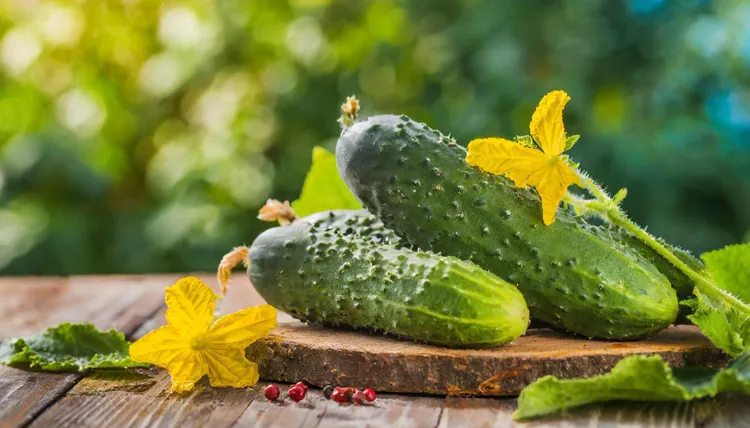
Do cucumbers need a pollinator plant nearby? Most cucumber varieties are monoecious, producing both male and female flowers on the same plant, and rely on bees or other pollinators moving between them rather than needing a separate pollinator plant; a few modern varieties are parthenocarpic and don't need pollination at all, worth checking on a specific variety's seed packet.
What's the most common planting mistake with cucumbers? Planting too early into cold soil, which stalls germination and early growth considerably even without frost damage, and crowding plants too closely, which increases disease pressure from poor airflow later in the season.
A Simple Planting Checklist
- Choose bush or vining, and slicing or pickling, based on space and intended use.
- Direct sow after soil warms past 70°F, or start indoors 2 to 3 weeks before last frost in pots that avoid root disturbance.
- Prepare rich, well-draining soil with generous compost.
- Set up trellising for vining varieties before plants begin sprawling.
- Space according to growth habit and trellis plan.
Thinking Ahead to the Growing Season
Decisions made at planting, growth habit, variety type, trellis setup, directly shape how much active management the growing season requires, making it worth taking the extra time upfront to set up a trellis correctly rather than retrofitting one later once vines are already sprawling.
Frequently Asked Questions
What if my direct-sown seeds don't germinate? Cold soil is the most common cause; checking soil temperature and waiting for it to reliably exceed 70°F before resowing addresses most germination failures.
How many seeds should I plant per mound? Planting 3 to 4 seeds per mound and thinning to the strongest 1 to 2 seedlings after germination hedges against uneven germination without wasting excessive garden space.
Does soil pH matter for cucumbers? A slightly acidic to neutral pH, roughly 6.0 to 6.8, suits cucumbers well, similar to the range covered for several other crops in this framework.
Is it necessary to treat seeds before planting? Most home growers plant untreated seed with good results; no special pre-treatment is typically needed for standard garden cucumber seed.
Comparing Regional Timing
Local frost dates and soil-warming timelines vary considerably by region, and checking a local extension office resource for area-specific planting windows produces more reliable timing than relying on a generic national calendar, similar to the regional planning covered for tomatoes and garlic elsewhere in this content series.
Succession Planting
Because cucumbers mature quickly and a single planting's productivity tapers off after several weeks of peak harvest, planting a second round of seed 3 to 4 weeks after the first extends the fresh harvest window considerably further into the season than a single planting alone would provide, a technique particularly useful for households wanting a steady supply rather than one concentrated flush.
What Success Looks Like at This Stage
Success at planting isn't every single seed germinating, it's a reasonable germination rate and healthy, vigorous early growth from the seedlings that do come up, enough to thin to strong, well-spaced plants heading into the main growing season.
Where tomatoes and strawberries both call for careful indoor starting well ahead of the outdoor season, cucumbers' fast germination and dislike of transplanting make direct sowing the more natural default, a genuinely different approach worth not overcomplicating with unnecessary indoor starting in climates with an adequate season length.
Getting Started
Planting cucumbers is one of the more forgiving starting points in this content series, fast germination, quick establishment, and a short enough timeline to first harvest that mistakes are easy to learn from within a single season rather than waiting years to try again.
By the time seedlings emerge, that early attention to timing and variety choice has already set the stage for everything that follows across the growing season.
Companion Planting Considerations
Cucumbers are commonly planted near beans, corn, and radishes, all of which are reputed to support cucumber growth in various ways, from radishes deterring certain pests to beans fixing nitrogen in the soil, though the evidence behind some of these specific claims is more anecdotal than rigorously tested. What's more clearly useful is avoiding planting cucumbers too close to potatoes, which can compete for similar resources and share some disease vulnerabilities, a similar principle to the crop-family spacing considerations covered for other vegetables in this framework.
Preparing a Trellis Before Seeds Even Go in the Ground
For anyone planning a vining variety, assembling and installing the trellis structure before seeds are even sown removes any temptation to delay the setup until vines are already sprawling and harder to redirect, a small piece of upfront planning that saves real frustration a few weeks into the growing season.
By the time seedlings have their first true leaves, success isn't perfect uniformity across every plant; it's a reasonable number of healthy, vigorous seedlings ready for thinning and, for vining types, ready to start training onto whatever trellis structure is already waiting for them.
Every small success along the way, healthy germination, sturdy early growth, builds confidence for the productive weeks of harvest that follow.
Practical Note
Keeping a simple written record of planting date, variety, and germination success each season makes it considerably easier to fine-tune timing and variety choice in future years, rather than relying on memory alone once several seasons of cucumber growing start to blend together. This same habit, recommended for several other crops throughout this content series, pays particular dividends for a fast-cycling crop like cucumber, where a second succession planting within the same season benefits directly from lessons learned just weeks earlier.
Where garlic asks for months of patient fall-to-summer waiting and ginger asks for an even longer, warmth-dependent season, cucumber's planting-to-harvest timeline compresses into a matter of weeks, a genuinely different rhythm worth appreciating on its own terms rather than expecting it to mirror the longer patience required elsewhere in this content series.
Sourcing Seed From Multiple Suppliers
Ordering seed from more than one supplier, or saving seed from a particularly successful open-pollinated variety in a previous season, hedges against any single source's seed quality varying from year to year, a small practice that pays off in more consistent germination and growth over time.
Patience Even With a Fast Crop
Even though cucumbers move quickly relative to the other crops in this framework, resisting the urge to plant before soil has genuinely warmed, or to transplant too aggressively despite cucumbers' dislike of root disturbance, still matters; fast doesn't mean rushed, and the same basic patience that serves every crop in this content series still applies here, just compressed into a shorter overall timeline.
By the time the first true leaves appear, that early patience has already paid off in a healthier start than a rushed planting would have achieved.
A confident, well-timed start makes everything that follows across the growing season considerably easier.
Take the time now, and the rest of the season goes more smoothly.
Every good harvest starts with this same careful attention to timing and soil.
Latest