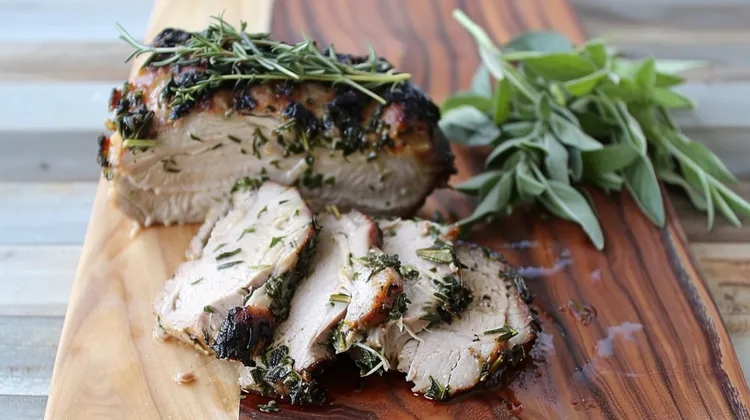
Sage Roasted Chicken and Turkey: A Base Method
One sage-based rub and butter method that scales from a single chicken to a full turkey.
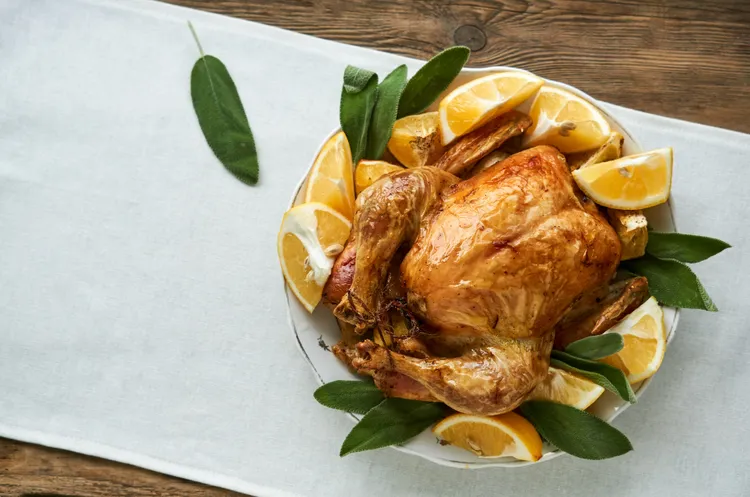
Sage under the skin is one of the more reliable ways to season a roast bird, since the fat renders slowly during roasting and carries the flavor through the meat far better than seasoning applied only to the surface.
The Base Method: Sage Butter Under the Skin
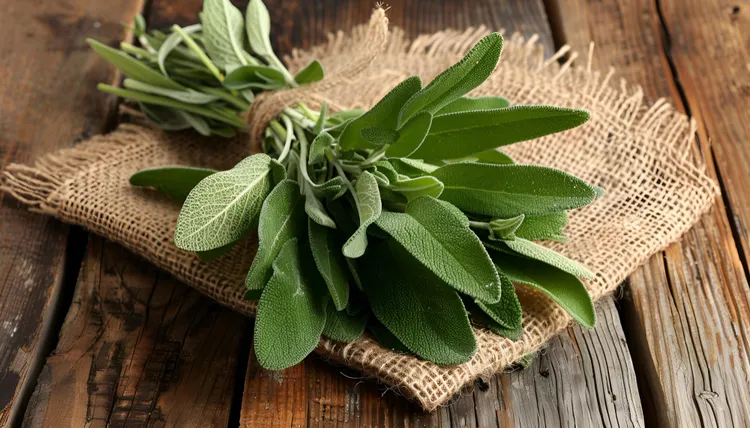
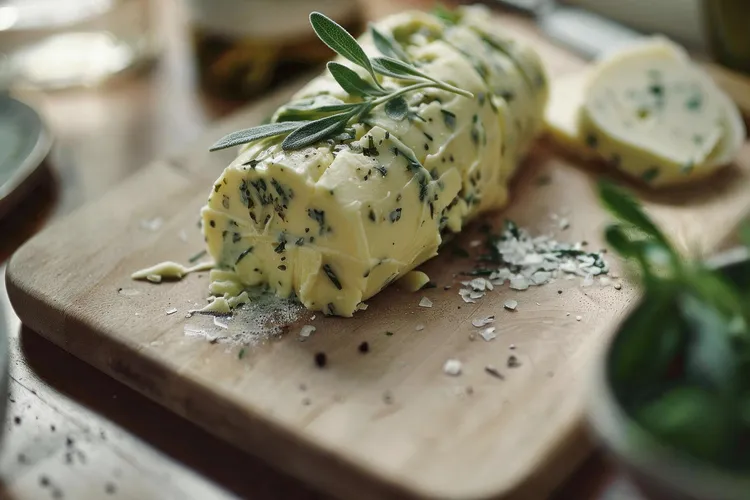
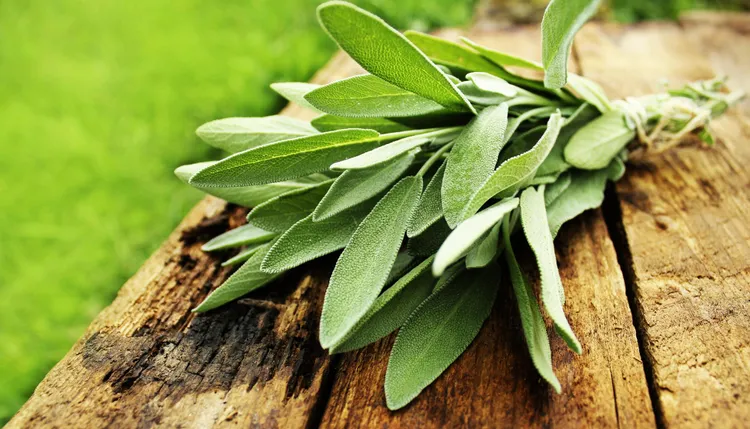
Combine 4 tablespoons softened butter with 1 tablespoon finely chopped fresh sage, 1 clove minced garlic, and salt and pepper to taste. Gently loosen the skin over the breast and thighs of a whole chicken (or turkey, scaled up as noted below) using your fingers, being careful not to tear it. Push the sage butter mixture under the skin, spreading it as evenly as possible over the meat, then rub any remaining butter over the outside of the skin.
Season the cavity with salt, pepper, and a few whole sage leaves, and tuck a few more whole leaves under the skin alongside the butter for a stronger flavor and a nice visual effect once roasted.
Roasting a Whole Chicken
Roast at 425°F (220°C) for about 20 minutes per pound, or until a thermometer inserted into the thickest part of the thigh reads 165°F (74°C). Let rest for 10 to 15 minutes before carving.
Scaling Up to Turkey
For a whole turkey, scale the butter mixture up proportionally, roughly doubling or tripling it depending on bird size, typically 8 to 12 tablespoons butter with matching increases in sage and garlic for a 12 to 16 pound bird. The same under-skin technique applies, though it takes more time and care to work the butter evenly over a turkey's larger surface area. Roasting time and temperature should follow standard turkey guidelines based on weight, since those vary more than the seasoning approach does.
Scaling Down to a Smaller Cut
For bone-in chicken thighs or a small chicken breast portion, use about 1 tablespoon of the butter mixture per piece, tucked under the skin the same way. This works well for a faster weeknight version of the same flavor profile without committing to a whole bird.
Common Mistakes
- Tearing the skin while loosening it. Work slowly and gently, starting from the cavity end where the skin is naturally looser, to avoid tearing.
- Using too much sage for the bird's size. Sage's boldness means it's easy to overdo, especially on a smaller cut; scale the amount down proportionally rather than using a flat amount regardless of size.
- Skipping the rest period. Letting the bird rest after roasting allows juices to redistribute and makes for a noticeably better result than carving immediately.
Frequently Asked Questions
Can I use dried sage for this method?
Yes, though at a reduced quantity, roughly a third of the fresh amount, since dried sage is more concentrated. The under-skin method works the same way regardless of fresh or dried.
Can I make the sage butter ahead of time?
Yes, it keeps refrigerated for about a week or frozen for a few months; see Sage Butter: A Compound Butter for Roasting and Bread for a dedicated recipe and storage method.
Does this method work for other poultry, like duck?
Yes, the same under-skin approach works for duck, though duck's fat layer is thicker and the bird generally needs a different roasting technique to render that fat properly.
Why Under-the-Skin Seasoning Works So Well
Seasoning applied only to the outside of a bird's skin mostly stays on the surface, since the skin acts as a barrier during roasting. Placing the sage butter directly against the meat, under the skin, means the fat renders and bastes the meat from the inside as it roasts, carrying flavor through rather than just coating the exterior. This is part of why the technique produces a more evenly seasoned result than a simple exterior rub alone.
Adjusting the Recipe for Different Occasions
For a simple weeknight roast chicken, the base recipe as written is enough. For a more special-occasion presentation, stuffing the cavity with a halved lemon, a few extra whole garlic cloves, and additional sage sprigs alongside the under-skin butter adds aromatic depth without much extra effort, since these simply flavor the bird from the inside as it roasts rather than requiring separate preparation.
Common Mistakes
- Tearing the skin while loosening it. Work slowly and gently, starting from the cavity end where the skin is naturally looser, to avoid tearing.
- Using too much sage for the bird's size. Sage's boldness means it's easy to overdo, especially on a smaller cut; scale the amount down proportionally rather than using a flat amount regardless of size.
- Skipping the rest period. Letting the bird rest after roasting allows juices to redistribute and makes for a noticeably better result than carving immediately.
- Not patting the bird dry before roasting. A dry exterior crisps far better than a damp one; pat the skin dry with paper towels before applying any exterior butter or rub.
Frequently Asked Questions
Can I use dried sage for this method?
Yes, though at a reduced quantity, roughly a third of the fresh amount, since dried sage is more concentrated. The under-skin method works the same way regardless of fresh or dried.
Can I make the sage butter ahead of time?
Yes, it keeps refrigerated for about a week or frozen for a few months; see Sage Butter: A Compound Butter for Roasting and Bread for a dedicated recipe and storage method.
Does this method work for other poultry, like duck?
Yes, the same under-skin approach works for duck, though duck's fat layer is thicker and the bird generally needs a different roasting technique to render that fat properly.
Should I truss the bird when using this method?
Trussing isn't required for the seasoning technique to work, though it does help the bird cook more evenly and hold its shape, particularly for a whole turkey.
Tips for Success
Bring the butter to full room temperature before starting, since cold butter is much harder to work evenly under the skin. If planning a holiday meal around this method, working the timing into an overall meal plan for the day helps make sure the bird's resting time doesn't collide with other last-minute cooking.
Latest