Single-Serving Baking: Cakes, Cookies, and Brownies for One
Mug cakes, small-batch cookies, and one-bowl brownies scaled to satisfy one person - the techniques that work at small scale, the shortcuts that actually hold up, and what to skip.
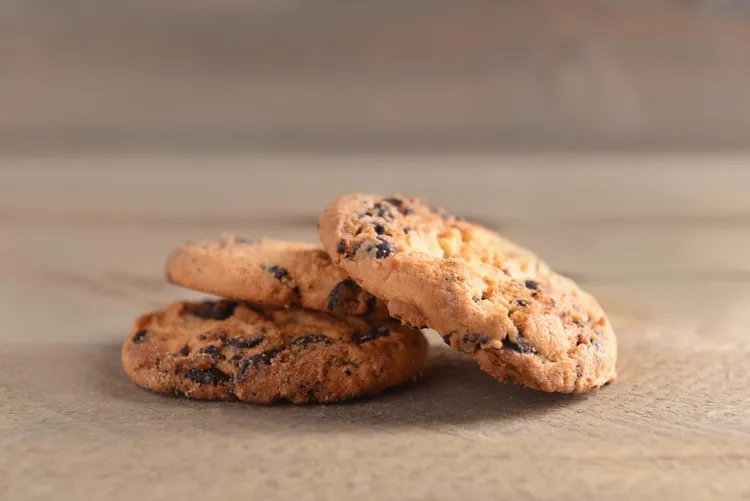
Standard baking recipes are a problem when you live alone. A batch of chocolate chip cookies makes 48. A brownie recipe fills a 23cm tin. Unless you have somewhere to take them, you either eat baked goods for a week or they go stale. Single-serving baking solves this - and it's more achievable than most people expect, once you know which recipes actually work at small scale.
Mug Cakes: The Honest Assessment
Mug cakes have a bad reputation, some of it deserved. A badly made mug cake is rubbery, tasteless, and unsatisfying. A well-made one is a genuinely good chocolate cake in 90 seconds. The difference is almost entirely in the recipe and the technique.
What works: chocolate mug cakes (the cocoa powder carries a lot of flavour in a small amount), vanilla with strong flavourings like lemon zest, anything with peanut butter. What doesn't work well: anything that relies on a light, airy texture - mug cakes by nature have a denser crumb than oven-baked cakes, and that works fine for fudgy chocolate but poorly for sponge.
Reliable chocolate mug cake (1 serving)
- 3 tbsp plain flour
- 3 tbsp caster sugar
- 2 tbsp cocoa powder
- 1 egg
- 2 tbsp milk
- 2 tbsp neutral oil
- A pinch of salt
- Optional: 1 tsp instant coffee (amplifies the chocolate), 2-3 chocolate chips on top
Mix dry ingredients in a large mug. Add egg, milk, and oil. Stir until just combined - don't overmix. Microwave on full power for 60-90 seconds (check at 60 - it should be set at the edges with a slightly molten centre). Eat immediately. ~380 kcal.
Small-Batch Cookies (Makes 4-6)
Small-batch cookies are better than mug cakes for most purposes - they have a proper texture, they keep for 2-3 days in an airtight container, and they feel like something you actually baked. The key is working in tablespoon quantities rather than cups and grams.
Small-batch brown butter chocolate chip cookies (makes 5)
- 30g butter
- 35g brown sugar
- 1 small egg yolk (discard the white or save for something else)
- 60g plain flour
- A pinch of salt and bicarb
- 40g chocolate chips or chopped chocolate
Brown the butter in a small pan until nutty-smelling, pour into a bowl, stir in sugar until combined, add egg yolk, fold in flour, salt, bicarb, and chocolate. Refrigerate dough for 20 minutes. Bake at 180°C for 10-12 minutes on a lined tray. They'll look underdone - that's right. They firm up as they cool. ~140 kcal each.
One-Bowl Brownies for One (Makes a Small Batch)
This makes a small tin of 4 brownies - enough for 2-3 days, keeps well at room temperature in a tin.
- 40g dark chocolate, chopped
- 30g butter
- 50g caster sugar
- 1 egg
- 30g plain flour
- 1 tbsp cocoa powder
- A pinch of salt
Melt chocolate and butter together (microwave in 30-second bursts, stir between each). Stir in sugar. Add egg and beat to combine. Fold in flour, cocoa, and salt. Pour into a small loaf tin or any small oven-safe dish lined with baking paper. Bake at 170°C for 18-20 minutes. Should still have a slight wobble in the centre when you pull it out. Cool completely before cutting - this is non-negotiable. ~210 kcal per brownie.
Baking Notes for Small Quantities
A few things that help when working at single-serving or small-batch scale:
- Use room temperature eggs - they incorporate more evenly into small quantities of batter
- Measure by weight, not volume, for anything involving flour or butter - small errors matter more in small quantities
- Slightly underbake - small batches cool and set faster than family-sized bakes. If it looks done, it's probably overdone
- For cookies especially: refrigerate the dough before baking. Even 20 minutes makes a difference to spread and texture
For scaling down other baking recipes from family portions, see the recipe scaling guide - it covers the baking-specific complications in detail. And for the full solo cooking approach, see the cooking for one complete guide.
Latest