Anti-Inflammatory Meals for Better Mental Clarity
Chronic inflammation suppresses mood, clouds thinking, and drives fatigue. These meals use ingredients with the strongest anti-inflammatory evidence - without turning your diet into a wellness project.
Inflammation is a normal, healthy response to injury or infection. Chronic low-grade inflammation - the kind that persists for months or years due to diet, stress, poor sleep, and sedentary behaviour - is a different matter. It's linked to depression, cognitive impairment, and fatigue. Multiple studies show that people with depression have elevated inflammatory markers, and anti-inflammatory interventions (including dietary ones) reduce symptoms. The food side of this is practical and doesn't require a restrictive diet.
The Key Anti-Inflammatory Ingredients
Fatty Fish
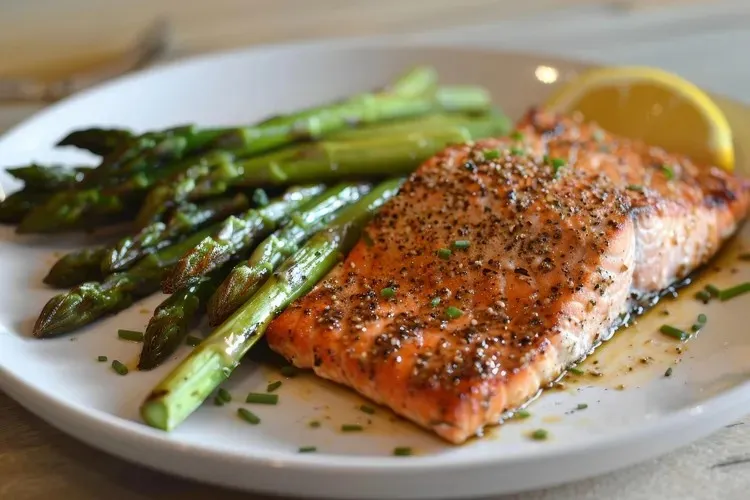
EPA and DHA from fatty fish directly inhibit inflammatory pathways - they're converted to resolvins and protectins, molecules that actively switch off inflammation. This is distinct from their neurotransmitter effects: omega-3 is doing double duty as both a brain-structure nutrient and an anti-inflammatory agent. Lemon-Butter Baked Salmon with Roasted Asparagus two to three times per week is the single highest-impact anti-inflammatory meal you can add to a regular rotation. About 480 kcal, 42g protein. The asparagus adds folate and quercetin (an anti-inflammatory flavonoid).
Olive Oil
Extra virgin olive oil contains oleocanthal, a compound with similar anti-inflammatory action to ibuprofen (at very different doses, but the mechanism is real). The polyphenols in EVOO also protect LDL cholesterol from oxidation, reducing vascular inflammation. Using EVOO as the primary cooking fat is one of the simplest upgrades to any diet. The Lemon-Infused Cabbage Salad with Olive Oil is a straightforward application - cabbage provides fibre and vitamin C, olive oil provides polyphenols. Around 180 kcal per serving as a side.
Leafy Greens
Spinach, kale, and Swiss chard are high in vitamin K (which regulates inflammatory gene expression), folate, magnesium, and antioxidants. A portion of cooked spinach (100g) provides about 80mg magnesium, substantial vitamin K, and meaningful folate - three nutrients that directly support mood chemistry and reduce inflammation. The Coconut Curry Lentils with Spinach uses 8 cups of spinach as a base - one of the most nutrient-dense dishes on the site, at around 240 kcal per serving.
Berries
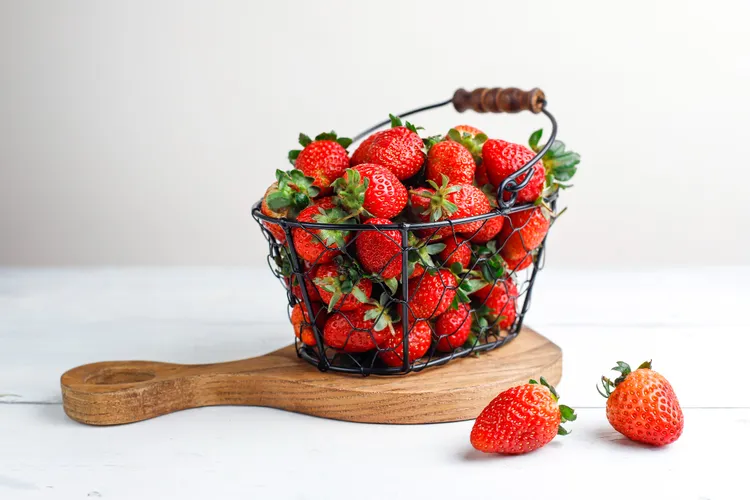
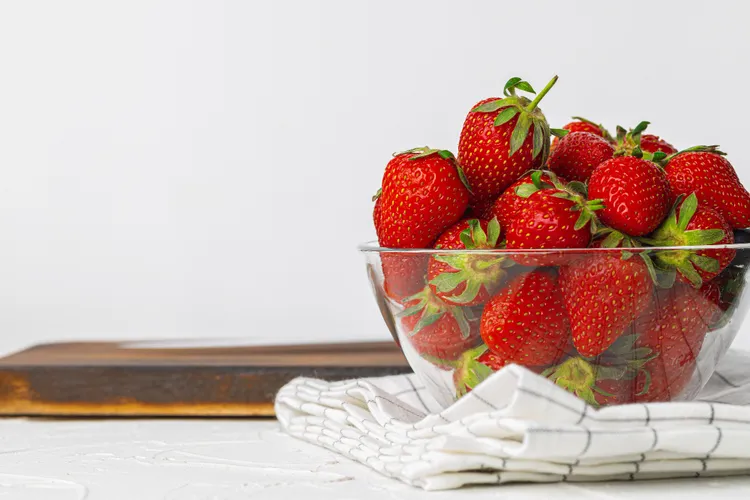
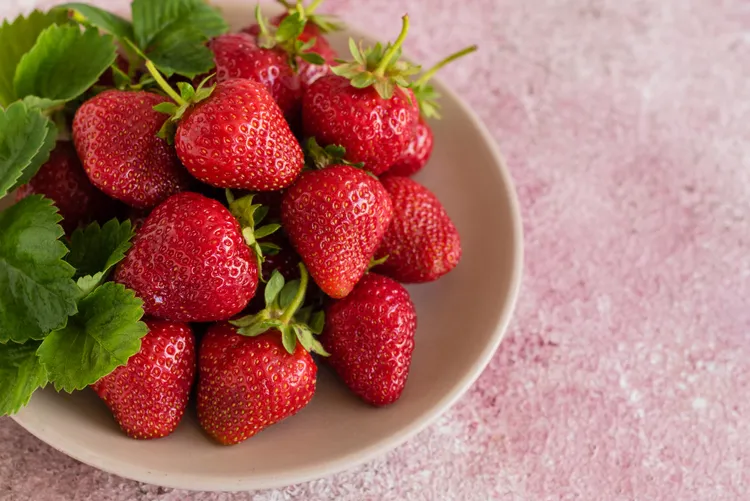
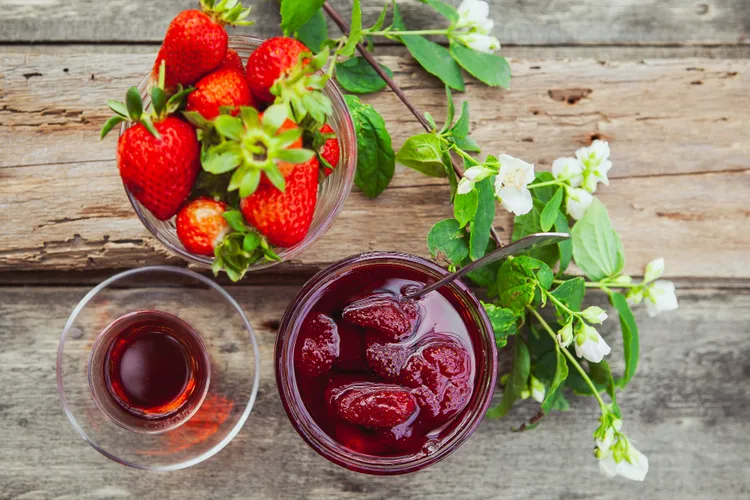
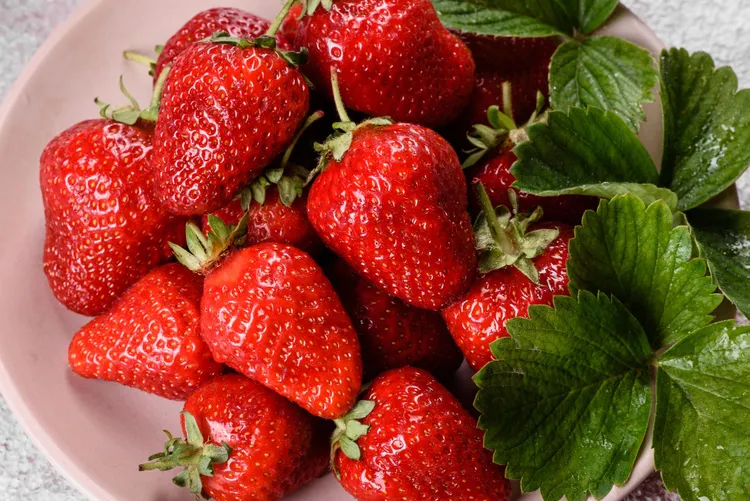
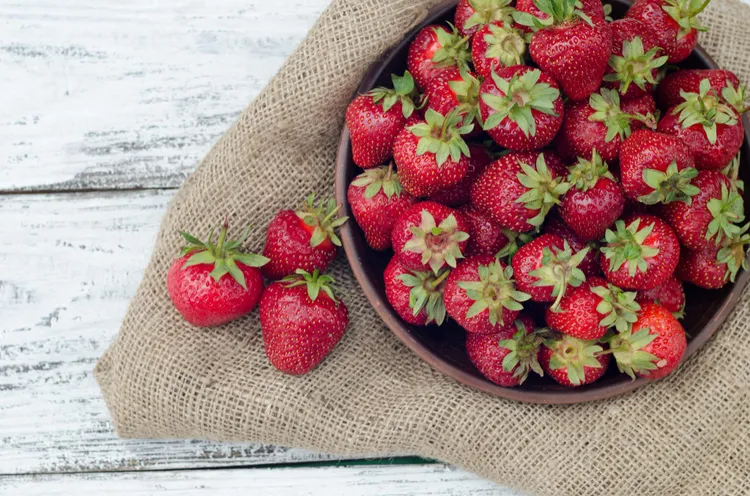
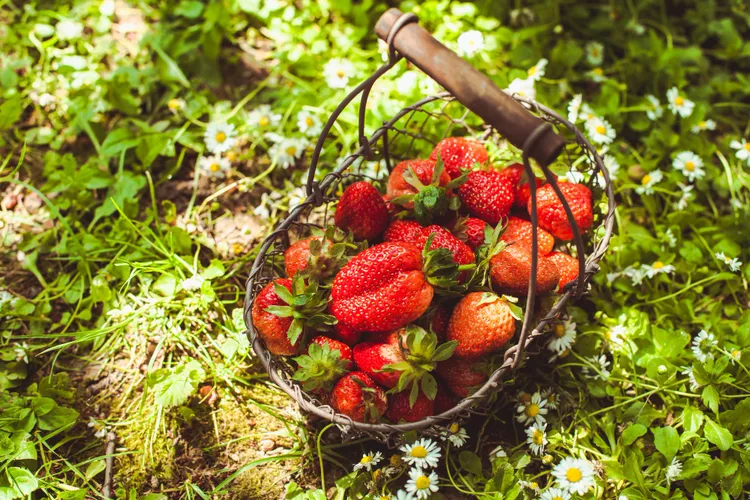
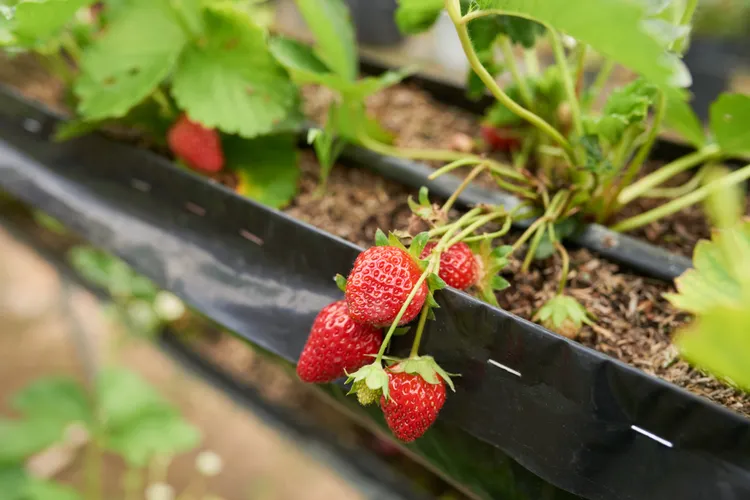
Blueberries, strawberries, and raspberries contain anthocyanins - potent antioxidants that reduce neuroinflammation specifically. Studies on blueberry consumption show measurable improvements in memory and mood, with effects appearing at modest intakes (about 150g daily). Frozen is nutritionally comparable to fresh. On overnight oats, in a smoothie, or eaten plain - berries are a low-effort daily habit.
Turmeric and Ginger
Curcumin (the active compound in turmeric) has been studied extensively for anti-inflammatory effects, with several clinical trials showing reduced depression symptoms comparable to some antidepressants in mild-to-moderate cases. The caveat: bioavailability is low without black pepper (piperine), which increases absorption by around 2000%. Always pair turmeric with black pepper. Ginger contains gingerols and shogaols with similar anti-inflammatory action. Both work best as regular cooking ingredients rather than sporadic supplements. The Coconut Curry Lentils with Spinach uses curry paste which typically contains turmeric and ginger - add a pinch of black pepper to maximise curcumin absorption.
Dark Chocolate
Flavanols in cocoa (specifically epicatechin) inhibit inflammatory markers including CRP and IL-6. The effect requires 70%+ dark chocolate - milk chocolate has insufficient cocoa content. The Chili Hot Chocolate is a surprisingly research-aligned version: dark chocolate, cinnamon (which has anti-inflammatory properties), and chili (capsaicin reduces some inflammatory cytokines). Two to three squares daily is all the research suggests is needed.
What Drives Inflammation in the First Place
The dietary patterns most associated with elevated inflammatory markers are: high refined sugar intake, high refined carbohydrate intake, high omega-6 oils (sunflower, corn, soybean oil in processed food), low fibre, and low antioxidant intake. Ultra-processed food hits most of these simultaneously. A useful proxy: if more than a third of daily calories come from ultra-processed food, the inflammatory load is likely high regardless of what else you're eating.
A Mediterranean-style eating pattern - olive oil, fish, vegetables, legumes, whole grains, some dairy - consistently scores low on inflammatory markers in population studies. It doesn't require strict adherence; moving toward it by incremental substitutions (olive oil instead of vegetable oil, fish twice a week, adding legumes to two dinners per week) has measurable effects.
Sample Anti-Inflammatory Day
Breakfast: Blueberry Chia Seed Overnight Oatmeal - oats (beta-glucan, prebiotic), blueberries (anthocyanins), chia seeds (ALA omega-3), Greek yogurt (probiotics). ~350 kcal.
Lunch: Coconut Curry Lentils with Spinach - turmeric, ginger, spinach, lentils (fibre, folate, iron). ~480 kcal for a generous portion.
Dinner: Lemon-Butter Baked Salmon with Roasted Asparagus dressed with EVOO. ~480 kcal.
Snack: 30g dark chocolate (70%+) + a handful of almonds. ~260 kcal.
Total: ~1,570 kcal, covering EPA/DHA, curcumin, anthocyanins, quercetin, oleocanthal, beta-glucan, and several B vitamins. For how these ingredients integrate into a full week of mood-supportive cooking, see the Dopamine Food guide.
Disclaimer: This article is for informational purposes only and does not constitute medical or nutritional advice. It is not intended to diagnose, treat, cure, or prevent any condition. Always consult a qualified healthcare professional or registered dietitian before making changes to your diet, especially if you have a medical condition or are managing a mental health concern.
Latest