Dark Chocolate Recipes That Are Actually Good for You
70%+ dark chocolate contains magnesium, theobromine, and flavanols that genuinely support mood and reduce inflammation. Here's the evidence - and the recipes that make it a daily habit rather than an occasional treat.
Dark chocolate has an unusually strong evidence base for a food that most people still think of as a guilty pleasure. The flavanols in cocoa reduce inflammatory markers, improve blood flow to the brain, and trigger dopamine release. Magnesium - present in meaningful amounts in 70%+ dark chocolate - supports the stress response and sleep quality. Theobromine provides mild, prolonged stimulation without the cortisol spike of caffeine. None of this requires eating large amounts; 20-30g daily is enough for the research-supported effects.
What Makes Dark Chocolate Different From Milk Chocolate
The active compounds - flavanols, theobromine, and most of the magnesium - are in the cocoa solids. Milk chocolate typically contains 20-30% cocoa solids. Dark chocolate at 70% contains more than twice the flavanol content. At 85%, it's higher still. The trade-off is bitterness and sugar content: higher percentage means less sugar (better for blood glucose stability) and more polyphenols, but the taste takes some adjustment. Starting at 70% and moving up over a few weeks is the practical approach if you find 85%+ too bitter initially.
Per 30g of 70%+ dark chocolate (approximately two squares):
- Calories: ~165 kcal
- Magnesium: ~65mg (about 15-20% daily target)
- Iron: ~3mg
- Tryptophan: ~30mg
- Theobromine: ~250mg
- Flavanols: varies by brand, but typically 50-200mg epicatechin equivalent
Recipes That Use Dark Chocolate Well
Hot Drinks
The Chili Hot Chocolate is made with dark chocolate, milk, cinnamon, and red chili. The combination isn't just flavour: cinnamon helps regulate blood glucose (reducing the sugar response from the chocolate), chili contains capsaicin which has mild anti-inflammatory effects, and dark chocolate delivers the magnesium and flavanols. Around 200 kcal per mug. Better than most commercial hot chocolates by a significant margin for both flavour and nutrition.
A simpler version: melt 20g of 70%+ dark chocolate into 200ml of warm milk. Add a pinch of cinnamon. That's roughly 180 kcal and a useful evening magnesium hit that also supports sleep.
Shakes and Smoothies
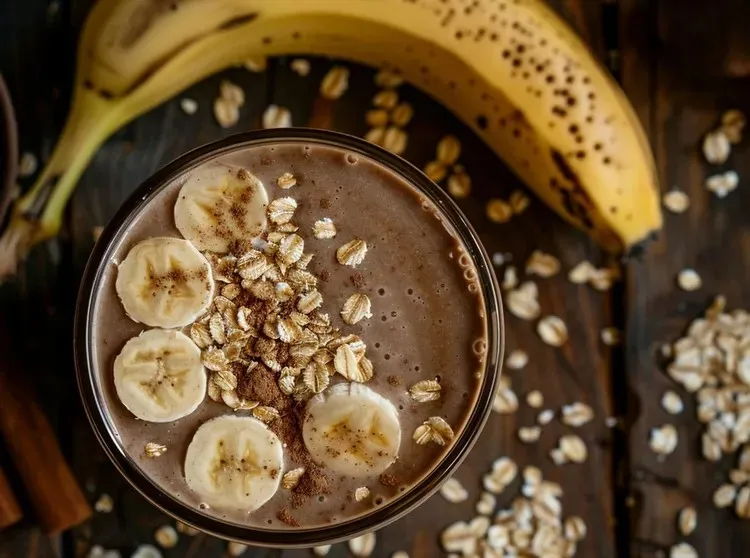
The Oatmeal Banana Peanut Butter Chocolate Shake is a legitimate breakfast or post-workout meal: oats (tryptophan, beta-glucan), banana (B6, potassium), peanut butter (magnesium, protein), and dark chocolate chips. Around 500 kcal, 30g+ protein. The chocolate isn't a decoration - it adds real flavanol and magnesium content alongside the flavour. Similarly, the Chocolate Coconut Protein Power Shake uses cocoa powder rather than chocolate - lower calorie but similar flavanol delivery.
Snacks and Desserts
The Peanut Butter Chocolate Chip Cookie Dough Greek Yogurt is the most nutritionally complete chocolate-based snack on the site: Greek yogurt (probiotics, tryptophan, ~17g protein per 100g), peanut butter (magnesium, healthy fats), maple syrup (small amount), and chocolate chips. Around 250 kcal per serving. It tastes like dessert and provides probiotics, protein, magnesium, and a dopamine response. Batch-prep several jars and keep them in the fridge for the week.
The Six-Ingredient Chocolate Brownies use dark chocolate and cocoa powder. They're not a health food, but made with quality dark chocolate (70%+) they're considerably less nutritionally empty than most commercial brownies. At around 250 kcal per brownie, they're a viable occasional dessert rather than a daily habit.
How to Make Dark Chocolate a Daily Habit
The simplest approach: keep a bar of 70%+ dark chocolate in the kitchen and eat two squares as an afternoon or evening snack. This doesn't require recipes. It's around 165 kcal - comparable to a handful of nuts - and covers 15-20% of daily magnesium needs in two bites.
For people who find the bitterness difficult, adding dark chocolate to something sweet (yogurt, oats, a banana) lets the other flavours balance it. The Chocolate Banana Turnovers pair dark chocolate with banana - the banana sweetness makes the chocolate approachable at higher percentages than eating it alone.
A Note on Caffeine
Dark chocolate contains modest amounts of caffeine - around 20-30mg per 30g piece (compared to ~95mg in a cup of coffee). This is unlikely to affect sleep for most people, but those who are particularly sensitive to caffeine may want to avoid eating dark chocolate after 4pm. Theobromine, the main stimulant in chocolate, has a longer half-life than caffeine (6-8 hours vs 5 hours) but a much milder effect - it doesn't trigger the cortisol response that caffeine can.
For more on how dark chocolate fits into a full mood-supportive diet alongside omega-3, tryptophan, and magnesium sources, see the Dopamine Food guide.
Disclaimer: This article is for informational purposes only and does not constitute medical or nutritional advice. It is not intended to diagnose, treat, cure, or prevent any condition. Always consult a qualified healthcare professional or registered dietitian before making changes to your diet, especially if you have a medical condition or are managing a mental health concern.
Latest