How to Build a Global Pantry on a Budget: 20 Ingredients That Cover 10 Cuisines
Twenty carefully chosen ingredients that between them cover Korean, Japanese, Thai, Vietnamese, Indian, Middle Eastern, Moroccan, Mexican, Spanish and Ethiopian cooking. Cost-per-use breakdown and where to buy.
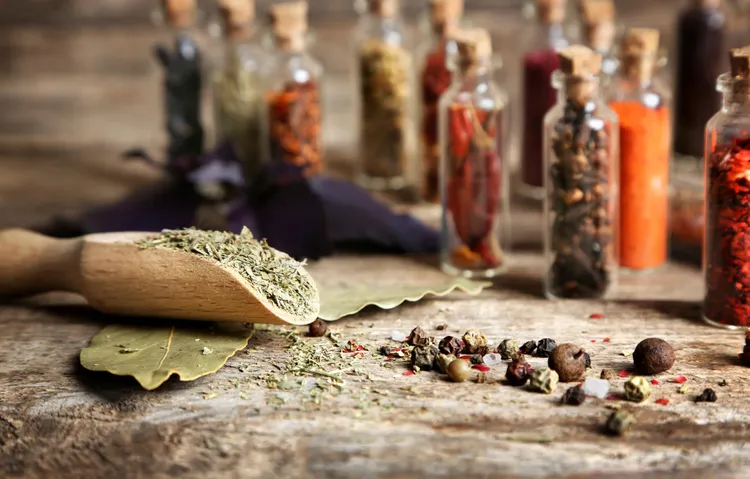
The most common reason people do not cook global food at home is the upfront cost of stocking a new pantry. Buy everything for Thai cooking and you have spent £30-40/$40-50 on a shelf of ingredients, some of which will sit unused until they expire. The smarter approach is to identify the ingredients that cross multiple cuisines - the ones where a single purchase genuinely earns its place across ten different dishes from five different culinary traditions.
This guide identifies 20 such ingredients and maps them against the ten cuisines covered in the complete global cuisines guide. The total upfront cost to stock all 20 is approximately £60-80/$75-100 depending on where you shop. Crucially, most of these last three to twelve months, which means the per-use cost is a fraction of buying specialist ingredients for a single cuisine.
The 20 Ingredients
Tier 1: The Universal Flavour Makers (Buy First)
1. Fish sauce - appears in: Korean, Thai, Vietnamese, Filipino, Malaysian. One 200ml bottle covers dozens of dishes. Cost: £2-3/$3-4. Shelf life: indefinite (refrigerate after opening).
2. Soy sauce (dark and light) - appears in: Japanese, Korean, Chinese, Vietnamese, Thai, Peruvian (lomo saltado). Two bottles - one light, one dark - covers most applications. Cost: £3-4 for both/$4-5. Shelf life: years.
3. Sesame oil (toasted) - appears in: Korean, Japanese, Chinese. A finishing oil, not a cooking oil. A 250ml bottle lasts months if used as intended (a drizzle at the end). Cost: £3-4/$4-5. Shelf life: 12-18 months.
4. Ground cumin - appears in: Indian, Middle Eastern, Moroccan, Mexican, Ethiopian. The single most cross-cultural spice in this list. Cost: £1-2/$1-3. Buy a large jar.
5. Ground coriander - appears in: Indian, Middle Eastern, Moroccan, Thai (in pastes). Almost always used alongside cumin. Cost: £1-2/$1-3.
6. Smoked paprika - appears in: Spanish, Moroccan, Middle Eastern, Mexican. The smoked version, not plain. Cost: £2-3/$3-4.
7. Turmeric - appears in: Indian, Keralan, Ethiopian, Middle Eastern, some Thai dishes. Cost: £1-2/$1-3.
Tier 2: The Cuisine Unlocks (High Value, Second Purchase)
8. Gochujang (Korean fermented chilli paste) - unlocks: Korean cooking (bibimbap, tteokbokki, dakgalbi, kimchi jjigae). One tub costs £3-4/$4-5 and covers 20+ meals. Shelf life: months refrigerated. There is no substitute.
9. Miso paste (white) - unlocks: Japanese cooking (miso soup, marinades, glazes, dressings). Versatile beyond Japanese cuisine: works in salad dressings, braises and sauces of any origin. Cost: £3-4/$4-5. See the miso deep dive for uses beyond soup. Shelf life: months refrigerated.
10. Thai green (or red) curry paste (Mae Ploy or Maesri brand) - unlocks: Thai curries, Thai soups. A 400g tub costs £3-5/$4-6 and produces approximately 8-10 curry portions. Shelf life: months refrigerated after opening.
11. Coconut milk (tinned, light and full-fat) - appears in: Thai, Indian (Keralan), Moroccan (some dishes), Vietnamese (some dishes). Buy both light and full-fat - they are used differently. Cost: £1-1.50/$1.50-2 per tin.
12. Tahini - unlocks: Middle Eastern cooking (hummus, dressings, sauces). Good tahini (Meridian, Belazu, or any Lebanese brand) is smooth and not bitter. Poor-quality tahini is often rancid. Cost: £3-5/$4-7 for a good 300g jar. Shelf life: 6 months refrigerated.
13. Aji amarillo paste - unlocks: Peruvian cooking (ceviche, lomo saltado, causa). No substitute exists. Available online (Sous Chef, Amazon) and in Latin supermarkets. Cost: £4-6/$5-8 for a jar. Shelf life: months refrigerated.
14. Berbere spice blend - unlocks: Ethiopian cooking. Available from Sous Chef, Waitrose and online. Cost: £3-5/$4-7.
Tier 3: The Aromatic Backbone (Complete the Pantry)
15. Rice vinegar - appears in: Japanese, Korean, Vietnamese, Chinese. Lighter and less harsh than white wine vinegar. Used in dressings, pickles and sushi rice. Cost: £2-3/$3-4.
16. Dried ancho and guajillo chillies - unlocks: Mexican cooking (birria, mole, salsa). Sold in packs at Latin supermarkets and online. Cost: £3-5/$4-7 for a mixed pack. Essential for real Mexican cooking.
17. Mirin - unlocks: Japanese cooking (teriyaki, glazes, marinades). Cannot be substituted meaningfully. Cost: £3-4/$4-5 for 300ml. Shelf life: indefinite.
18. Garam masala - unlocks: Indian cooking (north Indian curries, biryani). Buy a good blend or make your own. Cost: £2-3/$3-4.
19. Preserved lemons (jarred) - unlocks: Moroccan and Middle Eastern cooking. One jar (approximately eight lemons) covers a year of tagines and salad dressings. Cost: £3-4/$4-5.
20. Harissa paste - unlocks: Moroccan, North African and Middle Eastern cooking. Also excellent as a condiment on eggs, roasted vegetables and grilled meat. Cost: £3-4/$4-5.
Cuisine Coverage Map
Here is how each ingredient maps to the ten cuisines:
- Korean: gochujang, soy sauce, sesame oil, rice vinegar
- Japanese: miso, soy sauce, mirin, sesame oil, rice vinegar
- Thai: curry paste, coconut milk, fish sauce, ground coriander
- Vietnamese: fish sauce, rice vinegar, soy sauce
- Indian: cumin, coriander, turmeric, garam masala, coconut milk
- Middle Eastern: cumin, coriander, smoked paprika, tahini, preserved lemons, harissa
- Moroccan: cumin, coriander, smoked paprika, preserved lemons, harissa
- Mexican: cumin, smoked paprika, ancho and guajillo chillies
- Spanish: smoked paprika, soy sauce (less so)
- Ethiopian: cumin, coriander, turmeric, berbere
Where to Buy
Most of the above are available from: Asian supermarkets (best value for fish sauce, curry paste, miso, soy sauce), Middle Eastern supermarkets (best for tahini, preserved lemons, harissa), Waitrose or Whole Foods (good range across all categories), Sous Chef online (UK - excellent range including aji amarillo, berbere, specialist items), World Market or H Mart (US).
Amazon is a reasonable last resort for ingredients that are unavailable locally, but prices are typically higher than specialist shops.
Total Cost and Value
The full 20-item list costs approximately £60-80/$75-100 to stock from scratch. Most items have a shelf life of six months to a year or more. If you cook from these ingredients twice a week, the per-use cost across the pantry averages roughly 50-80p/$0.60-1 per meal in pantry ingredients - before the fresh food cost. The economics of global home cooking are strongly in its favour once the initial investment is made.
Return to the complete global cuisines guide to start cooking with your new pantry.
Latest