Gut-Brain Connection: Foods That Feed Your Mood From the Inside Out
About 90% of the body's serotonin is made in the gut, not the brain. The bacteria that live there directly influence mood, anxiety, and stress response - and you can feed them well or poorly.
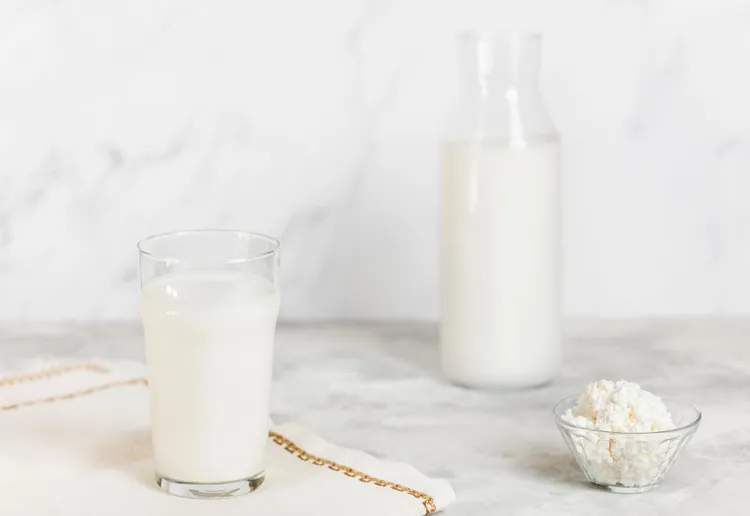
The gut-brain axis is one of the more surprising findings in recent neuroscience. The gut contains around 500 million neurons - more than the spinal cord - and communicates with the brain via the vagus nerve and through hormonal and immune signals. The gut microbiome (the trillions of bacteria, fungi, and other microorganisms living in the digestive tract) influences this system directly. They produce neurotransmitters, modulate inflammation, and affect how the brain responds to stress. Getting the microbiome right isn't a fringe wellness concept; it's mainstream physiology at this point.
Probiotics - Live Bacteria That Shift the Microbiome
Probiotic foods contain live bacteria that colonise the gut. The effects aren't immediate - it takes consistent intake over weeks to meaningfully shift the microbiome composition. But the research on probiotic foods and mood is compelling: multiple studies show reduced anxiety and depressive symptoms in people who regularly consume fermented foods.
Yogurt
Plain Greek yogurt is the most accessible probiotic food. Look for labels that say "live active cultures" - pasteurised yogurt after fermentation kills the bacteria and loses the probiotic effect. Greek yogurt is also high in protein (~17g per 100g) and contains tryptophan. The Peanut Butter Chocolate Chip Cookie Dough Greek Yogurt makes it feel less like a health obligation - Greek yogurt with peanut butter, maple syrup, and chocolate chips. Around 250 kcal and a genuinely satisfying snack that covers probiotics, protein, and magnesium.
Greek yogurt in overnight oats (as in the Blueberry Chia Seed Overnight Oatmeal) is another consistent delivery method - you get probiotics and prebiotics in the same bowl.
Kefir
Kefir is a fermented milk drink that contains a wider and more diverse range of bacterial strains than most yogurts. It's tangy, pourable, and works as a base for smoothies or drunk straight. Around 100 kcal per 200ml serving, 6-8g protein. If you're not used to fermented foods, start with small amounts (100ml daily) and increase gradually - the digestive system adjusts.
Kimchi, Sauerkraut, and Miso
Fermented vegetables deliver probiotics alongside fibre and micronutrients. Kimchi (fermented cabbage with chili, garlic, and ginger) is particularly well-studied and provides Lactobacillus bacteria linked to reduced anxiety in several trials. A tablespoon or two alongside a meal is sufficient. Sauerkraut works similarly - just ensure it's unpasteurised (sold refrigerated, not shelf-stable). Miso paste in soups and dressings is another regular source.
Prebiotics - Feeding the Bacteria You Already Have
Prebiotics are the fibres that beneficial gut bacteria ferment for energy. Without sufficient prebiotics, even a well-stocked microbiome can't sustain itself. The main prebiotic fibres are inulin and fructooligosaccharides, found in specific vegetables.
Best prebiotic sources:
- Oats: Beta-glucan is one of the best-studied prebiotics. Cinnamon Honey Oatmeal or overnight oats every morning is one of the most impactful gut-health habits you can build.
- Garlic and onion: High in fructooligosaccharides. Both are in most savoury cooking anyway - just make sure heat isn't excessive, as high temperatures reduce prebiotic activity.
- Leeks: Similar prebiotic profile to onion. The Creamy Salmon and Leek Pie combines omega-3 from salmon with prebiotic leeks - two mood-support mechanisms in one dish.
- Asparagus: One of the best sources of inulin. Lemon-Butter Baked Salmon with Roasted Asparagus is a particularly well-designed mood meal: omega-3, tryptophan, folate, and prebiotics together.
- Bananas (slightly underripe): Contain resistant starch that acts as a prebiotic. As bananas ripen, resistant starch converts to simple sugar - so the less ripe, the higher the prebiotic content.
Fibre - The Quantity Problem
Beyond specific prebiotics, total fibre intake matters for microbiome diversity. Low fibre diets (common in people eating a lot of ultra-processed food) correlate with reduced microbial diversity, higher inflammation, and worse mood outcomes. The average adult needs around 25-30g fibre per day; most people eat about half that.
Simple ways to close the gap: whole-grain bread instead of white, brown rice instead of white, keeping the skins on vegetables, adding lentils or beans to meals. The Coconut Curry Lentils with Spinach provides about 18g fibre per serving - more than half the daily target in one dish.
What to Reduce for Gut Health
Ultra-processed food, artificial sweeteners, alcohol, and emulsifiers (common in packaged food) all negatively affect the gut microbiome. Emulsifiers in particular - substances like carboxymethylcellulose and polysorbate 80 - disrupt the mucus layer of the gut and increase intestinal permeability. The labels aren't always obvious; they appear in things like low-fat salad dressings, ice cream, and many baked goods. Eating more whole food reduces emulsifier exposure almost automatically.
How Long Does It Take to See Effects?
Microbiome changes are measurable within two to four weeks of consistent dietary shifts. Mood effects typically require four to eight weeks - which aligns with how long probiotic trials usually run before reporting outcomes. The key word is consistent: daily yogurt and oats for six weeks does more than a probiotic supplement taken sporadically. For a full guide to mood-supportive eating across all nutrients, see the Dopamine Food guide.
Disclaimer: This article is for informational purposes only and does not constitute medical or nutritional advice. It is not intended to diagnose, treat, cure, or prevent any condition. Always consult a qualified healthcare professional or registered dietitian before making changes to your diet, especially if you have a medical condition or are managing a mental health concern.
Latest