The Best High-Protein Foods That Aren't Chicken Breast
Chicken breast is fine, but it is not the only path to hitting your protein targets. Here are 15 sources ranked by cost, convenience, and protein density.
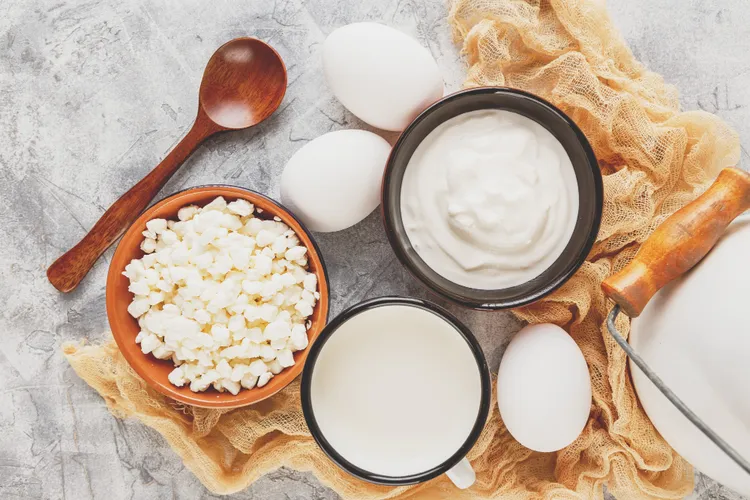
Chicken breast became shorthand for healthy eating partly because it is genuinely good - lean, versatile, around 31g protein per 100g cooked. But relying on one protein source gets boring fast, and boring diets fail. These alternatives match or beat chicken breast on protein density and mostly cost less.
If you are working out your daily protein target, How Much Protein Do You Need Per Day? covers the numbers. For the full context on how protein fits into a balanced diet, see the Healthy Eating & Nutrition guide.
Eggs: 6g Protein Each, the Most Versatile Food You Own
Two large eggs deliver roughly 12-13g protein, plus choline, B12, and a small amount of every fat-soluble vitamin. The yolk is not the enemy - it contains half the protein and most of the micronutrients. At under $0.30 per egg in most markets, eggs are the best protein-per-dollar option in most kitchens.
Batch-cooking works well: Egg, Spinach and Bacon Muffins bake a dozen at once and keep in the fridge for 4 days. Two muffins at breakfast = approximately 22g protein before 8am.
Cottage Cheese: 11-14g Protein Per 100g, Often Overlooked
Low-fat cottage cheese is about 11-14g protein per 100g, depending on brand. It is mostly casein - a slow-digesting protein that keeps blood amino acid levels elevated for several hours, making it useful as a last meal before bed or as a filling lunch base.
The Smoked Salmon and Dill Cottage Cheese Bowl pairs 200g of cottage cheese with smoked salmon for roughly 36-40g protein in one sitting, with minimal cooking required.
Canned Fish: 20-25g Protein Per 100g, Cheapest Protein Per Gram
Tinned tuna (25g/100g), sardines (21g/100g), and canned salmon (20g/100g) are the best cost-per-gram protein options available. A 185g tin of tuna costs around $1.50 and delivers 44g protein. Sardines add omega-3 fatty acids on top.
Neither requires cooking. Add to salads, mix with rice, or eat straight from the tin with crackers. Convenience-wise, nothing beats it.
Greek Yogurt: 10g Protein Per 100g, Plus Probiotics
Full-fat Greek yogurt averages 9-10g protein per 100g; strained varieties (like Fage 0%) hit 10-11g. A 200g serving gives you 18-22g protein. It also contains live cultures that support gut health, calcium for bone density, and B12.
Use it as a base for breakfast with berries and nuts, as a sour cream substitute in cooking, or stir it into sauces for creaminess without excess calories.
Lentils and Legumes: 7-9g Protein Per 100g Cooked, High Fibre
Lentils provide about 9g protein per 100g cooked, plus roughly 8g fibre. Black beans and chickpeas are similar. The fibre is the bonus - it slows digestion, stabilises blood sugar, and keeps you full in a way that animal protein alone does not.
A 400g can of lentils costs under $1.50 and makes two large servings. Cook them into soup, add to salads, or use as a base for a grain bowl. Protein quality is lower than animal sources (missing some essential amino acids), but this is easily offset by eating varied protein sources throughout the day.
Chicken Thighs: Cheaper Than Breast, More Forgiving to Cook
Chicken thighs are 24-26g protein per 100g cooked - just 5g less than breast, at significantly lower cost. They stay moist when overcooked, which means fewer wasted meals. Juicy Pan-Roasted Chicken Thighs require 25 minutes and deliver approximately 44g protein per serving.
Batch-roasting four thighs on Sunday gives you protein for three to four weekday lunches.
Frozen Edamame: 11g Protein Per 100g, Five-Minute Prep
Edamame (young soybeans) are one of the few plant proteins containing all essential amino acids. At 11g protein per 100g and roughly $3-4 per 500g frozen bag, they are cheap and require only boiling. Add to stir-fries, eat as a snack with sea salt, or toss into salads.
Lean Beef Mince: 26g Protein Per 100g Cooked, Affordable in Bulk
5% fat beef mince delivers approximately 26g protein per 100g cooked. Buy in bulk (500g-1kg packs), brown a full batch in one session, and use across multiple meals - bolognese, stuffed peppers, grain bowls. Mince is one of the few high-protein foods that stores well for 3-4 days in the fridge after cooking.
Tips for Hitting Protein Across the Day
- Aim for 25-40g protein at each main meal rather than trying to hit your target at dinner alone.
- Keep high-protein snacks accessible: boiled eggs, cottage cheese, Greek yogurt, a tin of tuna.
- Read labels on processed foods - many "protein-enriched" products contain less than 10g per serving.
- For a full breakdown of high-protein, low-fat options, the guide to the 20 Best High-Protein and Low-Fat Foods on Consillar covers additional sources with detailed per-100g breakdowns.
If you are unsure of your daily protein target, the free Consillar protein calculator gives you a per-meal and per-day number based on your weight and goal in under a minute.
Latest