How Much Protein Do You Need Per Day? (And How to Hit It)
Most people eat too little protein. Here are the evidence-based daily targets by goal and bodyweight, plus practical strategies to hit them without supplements.
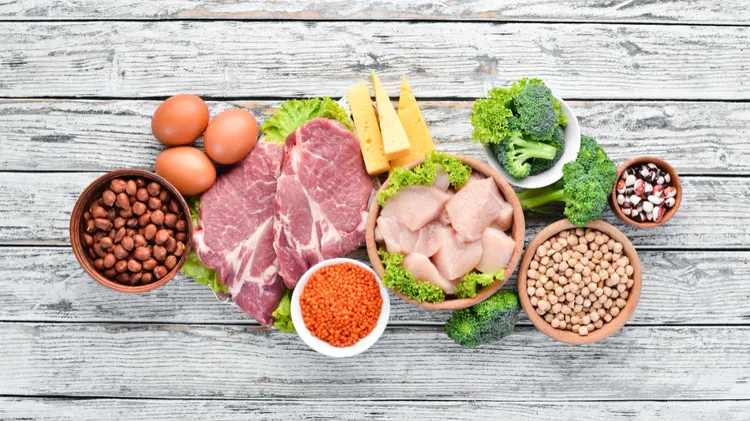
Protein is the macro that most consistently separates people who make progress from people who do not. It protects muscle during weight loss, reduces hunger between meals, and requires the most effort to get right. The minimum RDA of 0.8g per kg of bodyweight prevents deficiency - it does not optimise body composition or satiety.
Protein is one of the three macros covered in What Are Macros and Why Do They Matter?, and your protein target should be set in the context of your overall calorie goal - see How Many Calories Should You Actually Eat Per Day? For the full eating framework, see the Healthy Eating & Nutrition guide.
Protein Targets by Goal
- General health (sedentary adults): 1.0-1.2g per kg bodyweight. A 70kg adult: 70-84g/day. This is the floor, not the target.
- Weight loss / muscle retention: 1.6-2.2g per kg. A 70kg adult: 112-154g/day. Higher protein during a calorie deficit preserves lean muscle mass significantly better than lower intakes.
- Muscle building: 1.6-2.0g per kg. Research shows diminishing returns above 2.2g per kg for most natural trainees.
- Older adults (60+): 1.2-1.6g per kg to offset age-related muscle loss (sarcopenia). This group benefits more from higher protein than any other.
For a personalised figure based on your exact weight and goal, the free protein calculator outputs your daily target and splits it across meals - no manual maths needed.
How Much Protein Is In Common Foods?
- 2 large eggs: 12-13g
- 150g chicken thigh (cooked): 33-36g
- 100g canned tuna (drained): 25g
- 200g Greek yogurt: 18-22g
- 150g cottage cheese: 17-21g
- 100g cooked lentils: 9g
- 200ml whole milk: 7g
- 30g cheddar: 7g
- 1 scoop whey protein powder (30g): ~22-25g
Spreading Protein Across the Day
The body can only use a limited amount of protein for muscle protein synthesis per meal - roughly 25-40g activates the response optimally. Eating 150g protein at dinner and almost none at breakfast and lunch is far less effective than distributing it evenly.
A practical breakdown for 140g daily protein across three meals:
- Breakfast (35-40g): Egg, Spinach and Bacon Muffins (x2, 26g) + 150g Greek yogurt (13g) = 39g
- Lunch (40-45g): Smoked Salmon and Dill Cottage Cheese Bowl + rye crispbreads = approx. 36-40g
- Dinner (45-50g): Balsamic Chicken and Mushrooms with a side of lentils = approx. 48-52g
Do You Need Protein Powder?
No - but it is convenient. Whey protein costs around $0.50-0.80 per 25g protein serving, which is comparable to canned tuna and cheaper than chicken. If you find it difficult to hit protein targets from whole food alone (common when eating under 1,800 calories), a daily shake is a practical top-up. Whole food sources are preferable for the majority of your intake because they provide fibre, micronutrients, and greater satiety.
Signs You Are Under-Eating Protein
- Hungry again 2-3 hours after a full meal
- Losing weight but also losing visible muscle tone
- Cravings for sweet or starchy foods throughout the day
- Poor workout recovery
For more on hunger and satiety, including the specific role protein plays in appetite regulation, see Why You're Always Hungry: The Role of Protein, Fibre, and Satiety.
High-Protein Eating Without Getting Bored
The biggest barrier to consistently hitting protein targets is variety, not access. Rotating between eggs, chicken, fish, cottage cheese, Greek yogurt, and legumes across the week keeps meals from becoming repetitive. For a full breakdown of protein sources beyond chicken breast with cost comparisons, see The Best High-Protein Foods That Aren't Chicken Breast. The CookThisMuch guide to the 20 Best High-Protein and Low-Fat Foods adds further options with per-100g breakdowns.
Latest