High-Tryptophan Meals That Actually Taste Good
Tryptophan is the amino acid your body uses to make serotonin - and most people aren't eating enough of it. Here are practical, calorie-counted meals built around the best dietary sources.
Tryptophan gets talked about mostly in the context of turkey and post-Thanksgiving drowsiness (a myth, incidentally - the drowsiness is from overeating, not tryptophan). The real story is more interesting: tryptophan is an essential amino acid that the body cannot synthesise, meaning you only get it from food. It's the direct precursor to serotonin, and serotonin is involved in mood regulation, sleep quality, appetite, and stress response. Low tryptophan intake doesn't cause clinical depression, but it creates a production bottleneck that makes mood harder to regulate.
How Much Tryptophan Do You Actually Need?
The estimated daily requirement for tryptophan is around 5mg per kg of body weight - roughly 350mg per day for a 70kg adult. That sounds small, but it's worth checking against what you actually eat. A day of cereal, salad, and pasta without protein-rich additions can come in well under target.
Top tryptophan sources per 100g (approximate):
- Pumpkin seeds: ~580mg
- Turkey breast: ~330mg
- Chicken breast: ~280mg
- Canned tuna: ~280mg
- Salmon: ~270mg
- Eggs (2 large): ~170mg
- Cottage cheese (100g): ~150mg
- Cheddar cheese (30g): ~90mg
- Oats (50g dry): ~70mg
One turkey sandwich and a portion of salmon gets you to daily target without effort. The challenge is variety - and making meals that don't feel like they're built around a supplement.
The Carbohydrate Rule
Tryptophan competes with other large amino acids for transport across the blood-brain barrier. When you eat protein alone, tryptophan loses this competition. Eating carbohydrates alongside protein triggers insulin, which clears the competing amino acids from the bloodstream and gives tryptophan preferential access to the brain. This is why the classic tryptophan-rich food (turkey) works better when eaten with stuffing and potatoes than as plain protein. Practically: pair tryptophan-rich foods with moderate carbohydrates at the same meal.
Practical High-Tryptophan Meals
Breakfast
The Egg and Cottage Cheese Omelet stacks two tryptophan sources in one meal - eggs (~170mg) and cottage cheese (~150mg). At around 320 kcal and 30g protein, add a slice of whole-grain toast alongside for the carbohydrate effect. Total tryptophan: roughly 320mg in one breakfast.
Overnight oats with Greek yogurt and a tablespoon of pumpkin seeds is another strong option. Greek yogurt adds about 120mg of tryptophan; pumpkin seeds add another 90mg for 15g. The Blueberry Chia Seed Overnight Oatmeal gives you the oat base - add a spoonful of pumpkin seeds on top.
Lunch
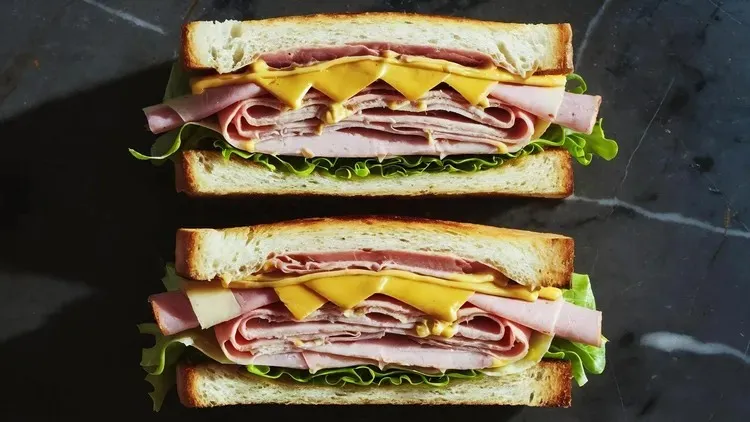
Turkey is the most tryptophan-dense whole food that's practically accessible. The Turkey, Cheddar and Mustard Sandwich on whole-wheat bread covers tryptophan from both turkey and cheddar, with the bread providing the carbohydrate co-factor. Around 400 kcal, 28g protein. The Turkey Hummus Club Sandwich adds chickpeas through the hummus, which also contain B6 - a cofactor in tryptophan-to-serotonin conversion.
The Spinach and Cottage Cheese Turkey Burgers are worth batch-cooking for the week. Turkey plus cottage cheese gives a strong tryptophan hit; spinach adds iron and folate. About 450 kcal per serving, 40g protein, and they freeze well.
Dinner
Salmon is both high in tryptophan and an excellent source of EPA/DHA omega-3. Lemon-Butter Baked Salmon with Roasted Asparagus is one of the most nutrient-dense dinners you can cook in under 25 minutes - roughly 480 kcal, 42g protein. Asparagus is high in folate, which supports the serotonin synthesis pathway. Serve with rice or roast potatoes to cover the carbohydrate requirement.
Chicken is an underrated tryptophan source. Balsamic Chicken and Mushrooms pairs it with mushrooms (B vitamins) and the balsamic provides a small glucose response. Around 420 kcal, 38g protein.
Snacks
Pumpkin seeds are the highest-tryptophan snack available. 30g (a small handful) provides roughly 175mg of tryptophan - half a day's requirement in a portable snack. Cheddar cheese (30g, ~90mg tryptophan) with an oatcake covers the carbohydrate co-factor. Dark chocolate (70%+, 30g) contributes around 30mg tryptophan plus magnesium and a dopamine response from the flavour itself.
Meal Prep for Consistent Tryptophan Intake
The practical goal is to include a quality tryptophan source at each main meal rather than loading all of it into dinner. Batch-cooking turkey burgers (freeze half), keeping hard-boiled eggs in the fridge, and buying a bag of pumpkin seeds for snacking covers most days without requiring active planning. For a full week-long approach, the Dopamine Food guide includes a 7-day meal plan with tryptophan at every meal.
Disclaimer: This article is for informational purposes only and does not constitute medical or nutritional advice. It is not intended to diagnose, treat, cure, or prevent any condition. Always consult a qualified healthcare professional or registered dietitian before making changes to your diet, especially if you have a medical condition or are managing a mental health concern.
Latest