How to Freeze Meals Properly (Without Ruining Them)
A practical guide to freezing family meals - which dishes survive the freezer, how to portion for 4, the right containers to use, and how to defrost without wasting what you've cooked.
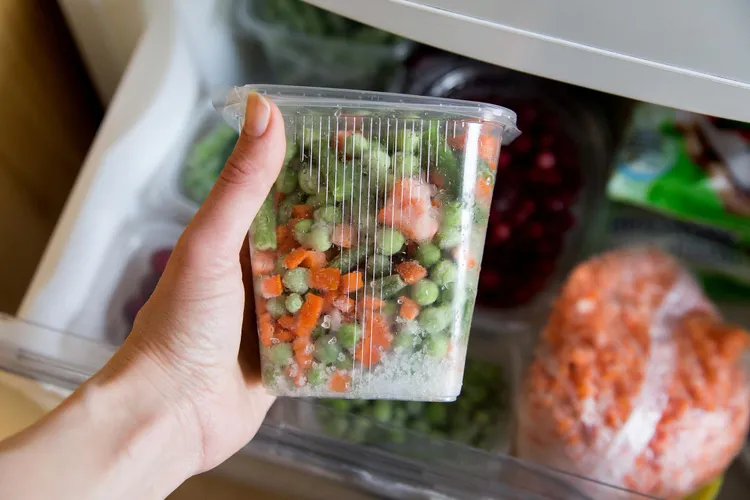
The freezer is the most underused tool in budget family cooking. A well-managed freezer means a Tuesday night dinner can be the soup you made three weeks ago, a Thursday's emergency meal is already cooked, and the batch you doubled last Sunday is working for you in Week 4. But done wrong - wrong containers, wrong foods, no labelling - the freezer becomes a mystery box of freezer-burned regret.
If you want your freezer rotation to also align with calorie or macro targets, the free weekly meal planner generates a full week of recipes around your numbers - worth running before your next big batch cook.
What Freezes Well (and What Doesn't)
Freezes Brilliantly
- Soups and stews: The lentil and vegetable soup in our budget soup guide is the gold standard. Liquid-based dishes freeze without any texture or flavour loss.
- Cooked chicken: Shredded or whole thighs, in sauce or plain. Reheat gently to avoid drying out.
- Cooked rice: Freeze immediately after cooling. Reheat from frozen in the microwave with a tablespoon of water on top - it comes back perfectly.
- Pasta sauce (without pasta): Freeze the sauce separately and cook fresh pasta when needed. Pasta that's been frozen in sauce turns mushy.
- Casseroles and one-pot dishes: The chicken casserole with mushrooms and carrots freezes for up to 2 months without quality loss.
- Baked goods: Bread, muffins, and portioned scones freeze perfectly. Slice bread before freezing so you can take out exactly what you need.
Freezes Acceptably (With Caveats)
- Pasta bake: Texture softens slightly but is still good. Reheat from thawed, not frozen, for better results.
- Cooked eggs in dishes: Fine in casseroles or frittatas but rubbery on their own. Don't freeze hard-boiled eggs.
- Dairy-based sauces: May separate on reheating. Whisk vigorously and reheat slowly to recombine.
Doesn't Freeze Well
- Whole cooked potatoes (go watery and grainy)
- Salad greens and cucumber
- Cooked pasta on its own
- Cream-heavy soups (texture changes significantly)
Portioning for a Family of 4
Freeze in meal-sized portions, not in one large block. Trying to separate frozen soup from a 4-litre container at 6pm on a Tuesday is a frustrating exercise. Use 1-litre containers for soup (2 adult servings) or 500ml for individual portions. For rice, freeze in 2-cup portions - enough for one dinner side for four people.
Label everything before it goes in the freezer. Use masking tape and a marker: name of dish, date frozen, number of servings. This takes 10 seconds and saves the 3-minute guessing game every time you open the freezer door. The rule of thumb: if you can't identify it after 2 weeks, you won't eat it.
The Right Containers
- Freezer-safe plastic tubs with lids: The most practical option. Buy a set and use them exclusively for freezer batches.
- Zip-lock freezer bags: Ideal for rice, sauce, and shredded chicken. Lay flat to freeze, then stack vertically once frozen - saves significant freezer space.
- Foil containers with lids: Good for casseroles and pasta bakes. Can go straight from freezer to oven if oven-safe.
- Avoid: Regular thin plastic bags (tear when frozen), glass jars (can crack if liquid expands), and open containers with cling film (get freezer burn within days).
How to Defrost Safely
The safest and best-quality method is overnight in the fridge. Move the container from freezer to fridge the evening before you need it. Most dishes reheat within 10 minutes on the hob or microwave from fully defrosted.
For soups and sauces, you can reheat directly from frozen in a pot over low heat - stir frequently and add a splash of water if it sticks. Allow 20-30 minutes from fully frozen on the hob.
Never defrost meat dishes at room temperature. The outside thaws and reaches bacterial growth temperatures while the centre is still frozen.
How Long Things Keep in the Freezer
- Soups and stews: 3 months
- Cooked chicken: 3 months
- Cooked rice: 1 month (texture degrades after this)
- Pasta sauce: 3 months
- Casseroles: 2-3 months
- Bread: 3 months
Meal Prep Tips
The most effective freezer strategy for families is "cook once, eat twice" - when making any batch recipe, double it deliberately and freeze half before anyone eats it. Do this consistently and within a month you have a full rotation of 6-8 meals in the freezer that require zero cooking effort on busy nights.
For the full system that integrates freezer cooking with weekly planning and batch cooking, see our complete family meal planning guide.
Latest