How to Make Cashew Cream: The Dairy-Free Base for Everything
One ingredient, soaked and blended. The result is the most versatile cream in plant-based cooking.
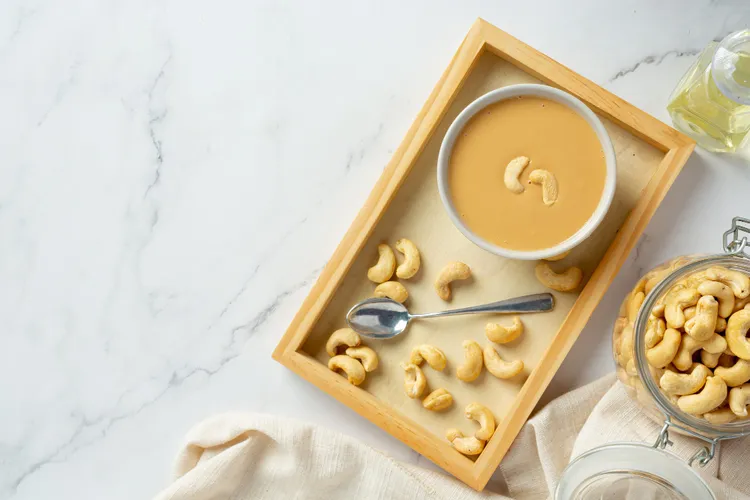
Before you make the mac and cheese, before you make the lasagne béchamel, before you make the mushroom pasta or the carbonara - make cashew cream. Understand cashew cream. Because cashew cream is not a recipe component. It is a technique, and once you understand it, every cream-based recipe in this collection becomes intuitive.
Cashew cream is raw cashews, soaked in water until softened, then blended into a smooth, rich liquid. That is the entire method. What you get - when the ratio is right, when the cashews have soaked long enough, when the blending is thorough - is a cream with remarkable body, a completely neutral flavour, and the functional properties of dairy cream in almost every application.
It thickens sauces. It adds richness to soups. It forms the base of cheese sauces. It replaces double cream in pasta. It replaces the white sauce in a lasagne. It does all of this without tasting of cashew, without adding a nutty distraction, without announcing itself at all. It tastes of what it is seasoned with. And that neutrality is precisely what makes it the most valuable dairy-free ingredient in this collection.
Why Raw Cashews Specifically
All nuts can be blended into creams. Almonds produce almond cream. Macadamias produce a beautifully rich, buttery cream. Sunflower seeds produce a good, slightly earthy cream (the nut-free alternative for anyone with a nut allergy). But cashews are the standard for plant-based cream for three reasons:
Neutrality: Cashews have the most neutral flavour of any nut commonly used for cream. Almonds have a distinct almond note. Macadamias have a slightly buttery, sweet character. Cashews taste of almost nothing - making them invisible in finished dishes.
Fat content and emulsification: At approximately 44% fat, cashews have sufficient fat for a rich cream. More importantly, cashew fat emulsifies easily with water during blending, producing a stable, smooth cream without separation. Leaner nuts produce thinner, less stable creams.
Texture after blending: Cashews blend into a completely smooth cream in a standard blender (given adequate soaking time and water). Harder nuts (almonds) require blanching to remove skins and still produce a slightly grainy result without a high-powered blender.
One important note: Always use raw, unsalted cashews. Roasted cashews have a toasted flavour that is noticeable in finished dishes. Salted cashews throw off the seasoning of every recipe.
The Method
Standard Method (4-8 hours or overnight)
Serves as a base for 4 | Active time: 5 minutes | Soaking: 4-8 hours
Ingredients:
- 150g raw cashews (approximately 1 cup)
- Cold water for soaking (discard after soaking)
- Fresh water for blending (quantity varies by desired thickness - see ratio guide below)
Method:
Step 1 - Soak: Place the cashews in a bowl and cover completely with cold water. The cashews will absorb water and swell significantly - ensure there is at least 3-4cm of water above the cashews. Cover the bowl and refrigerate for a minimum of 4 hours, ideally overnight (8-12 hours).
What is happening during soaking: The water penetrates the cashew's cell walls, softening the cellular structure and beginning to break down the proteins. This structural softening is what allows the fat to emulsify fully during blending, producing a completely smooth cream. Insufficiently soaked cashews - even with extended blending - retain a slight graininess.
Step 2 - Drain and rinse: Drain the soaked cashews and rinse thoroughly under cold running water. Discard the soaking water - it contains leached tannins and inhibitor compounds that can give the cream a slightly bitter edge.
Step 3 - Blend: Transfer the drained, rinsed cashews to a blender. Add fresh water according to the ratio guide below. Blend on high speed for 2-3 minutes, stopping to scrape down the sides as needed.
The cream is ready when it is completely smooth - run a small amount between your fingers; there should be no graininess whatsoever. If any graininess remains, blend for another minute.
Step 4 - Taste and adjust: Plain cashew cream has an almost imperceptible sweetness from the cashews themselves and no other discernible flavour. Season it for its intended application (see uses below) or store plain for flexibility.
Quick-Soak Method (20-30 minutes)
When overnight soaking is not possible:
Place the cashews in a small saucepan and cover with boiling water. Bring back to a gentle simmer and cook for 15-20 minutes until the cashews are completely soft - they should crush easily between two fingers with minimal pressure.
Drain, rinse with cold water, and blend as above.
The difference: Quick-soaked cashews produce a slightly less smooth cream than overnight-soaked cashews. For most cooked applications (sauces, soups) the difference is small. For cold applications where the cream is served uncooked (a drizzle over a finished dish), overnight soaking produces the superior result.
The Ratio Guide
The single most important variable in cashew cream is the water ratio. Get this right and the cream does exactly what the recipe needs.
All ratios are for 150g soaked and drained cashews (approximately 1 cup):
| Application | Water | Consistency | Use For |
|---|---|---|---|
| Very thick | 60-80ml (¼ cup) | Spreadable, like cream cheese | Thick cheese sauce base, frosting, dips |
| Thick | 120ml (½ cup) | Béchamel-like, coats a spoon heavily | Lasagne béchamel, mac & cheese base |
| Medium | 180ml (¾ cup) | Double cream consistency | Pasta sauces, curries, finishing sauces |
| Light | 240ml (1 cup) | Single cream consistency | Soups, light sauces, dressings |
| Thin | 300ml (1¼ cup) | Milk-like, pourable | Smoothies, adding to broth |
Practical note: It is always easier to thin a thick cream than to thicken a thin one. When in doubt, start with less water and add more during blending until the desired consistency is reached.
Eight Applications Across the Collection
1. Mac & Cheese Sauce Base
Ratio: Thick (120ml water)
Additional seasoning: 4 tbsp nutritional yeast, 1 tbsp white miso, 1 tsp dijon mustard, juice of ½ lemon, ½ tsp garlic powder, salt
Method: Blend all ingredients together with the cashews. Heat in a saucepan over medium heat, stirring, until thick and bubbling. Adjust consistency with pasta cooking water. → Full recipe: Vegan Mac and Cheese
2. Lasagne Béchamel
Ratio: Thick (120ml water)
Additional seasoning: 1 small clove garlic (roasted), pinch of nutmeg, white pepper, 2 tbsp nutritional yeast, splash of white wine, salt
Method: Blend until smooth. Pour into a saucepan over medium-low heat, whisking, until it reaches the consistency of a traditional béchamel - thick enough to coat a spoon heavily. Adjust thickness with plant milk if needed. → Full recipe: Vegan Lasagne
3. Mushroom Pasta Sauce
Ratio: Medium (180ml water)
Additional seasoning: Roasted garlic, 3 tbsp nutritional yeast, thyme, white wine, lemon juice, salt
Method: Blend until very smooth. Add to caramelised mushrooms off the heat. The residual heat warms the sauce without over-thickening. Adjust with pasta water. → Full recipe: Creamy Vegan Mushroom Pasta
4. Carbonara Base
Ratio: Medium-thin (210ml water)
Additional seasoning: 3 tbsp nutritional yeast, 100g silken tofu (blended with the cashews), 1 tsp white miso, black pepper, salt, pasta water for finishing
Method: Blend cashews and silken tofu together until completely smooth. This produces the emulsified, glossy sauce that defines the dish. → Full recipe: Vegan Carbonara
5. Soup Enrichment (Butternut Squash)
Ratio: Light (240ml water)
Use: Stir 100ml of light cashew cream into the finished soup after blending, off the heat. Provides richness and body without the coconut flavour of coconut cream. → Full recipe: Butternut Squash and Coconut Soup
6. Dal Makhani Finish
Ratio: Medium (180ml water)
Use: Stir 4 tbsp of medium cashew cream into the finished dal in place of the traditional butter and cream. Provides the same unctuous richness without dairy. → Full recipe: Dal Makhani: Vegan Black Lentil Curry
7. Ranch-Style Dressing
Ratio: Light (240ml water)
Additional seasoning: 2 tbsp apple cider vinegar, 1 tsp dijon mustard, 1 tbsp nutritional yeast, ½ tsp garlic powder, ½ tsp onion powder, fresh dill and chives, salt and pepper
Method: Blend all ingredients together. Produces a creamy, tangy dressing that keeps refrigerated for up to 5 days.
8. Whipped Cream (For Desserts)
Ratio: Very thick (60ml water)
Method: After blending, refrigerate the thick cream for at least 2 hours until very cold. Whip with a hand mixer for 2-3 minutes - the cold fat whips to a light, airy consistency. Sweeten with 1 tbsp icing sugar and ½ tsp vanilla. Not identical to whipped dairy cream but lighter and more neutral than coconut whipped cream. Excellent on fruit desserts and overnight oats.
Troubleshooting
The cream is grainy, not smooth. The cashews were not soaked long enough. Grainy cashew cream cannot be fixed by blending longer - the texture problem is structural, not mechanical. Discard and start again with a proper soak. If using the quick-soak method, ensure the cashews are completely soft (crush easily between two fingers) before blending.
The cream separated in the fridge. Normal - the fat and water can separate slightly on standing. Stir or blend briefly to re-emulsify before using.
The cream tastes bitter. The soaking water was not discarded. The leached compounds from soaking produce bitterness. Always drain and rinse the cashews, then add fresh water for blending.
The cream is too thick for the recipe. Add cold water a tablespoon at a time while blending, checking consistency after each addition. The cream thins easily.
The cream is too thin for the recipe. Add a small number of additional soaked cashews and blend again, or heat the cream in a saucepan over medium heat - it thickens as the proteins cook.
Storing Cashew Cream
Refrigerated: 4-5 days in a sealed container. The cream thickens slightly in the fridge as the fat sets. Stir or briefly blend before using.
Frozen: Cashew cream freezes well for up to 3 months. Freeze in ice cube trays for convenient portioned use - pop out the cubes and store in a freezer bag. Thaw in the fridge overnight and stir or blend before using.
The soaked, unblended cashews: Can be refrigerated for up to 2 days in their soaking water before blending. This allows you to soak a large batch and blend to order at different ratios for different recipes.
The Nut-Free Alternative: Sunflower Seed Cream
For anyone with a tree nut allergy, raw sunflower seeds (hulled, unsalted) produce a cream that functions almost identically to cashew cream. The technique is the same; the soaking time is the same; the ratio guide is the same.
The differences: sunflower seed cream has a slightly more earthy, faintly bitter flavour than cashew cream, and a slightly less smooth texture. In strongly seasoned applications (cheese sauce, bolognese enrichment, curries), the difference is minimal. In lightly seasoned applications (a drizzle, a delicate sauce), the earthiness is more noticeable.
Use sunflower seed cream in any recipe in this collection that calls for cashew cream - the substitution is 1:1.
Pro Tips
- Blend in a small jar, not a large one. If using a standard blender, blend cashew cream in the smallest jar available - a small amount of liquid in a large blender jar won't reach the blade efficiently and will blend unevenly. Most hand blenders come with a small blending beaker that is ideal for cashew cream.
- Strain for the smoothest result. For cold applications (dressings, cold sauces), straining the blended cream through a fine-mesh sieve or nut milk bag removes any residual graininess that even extended blending leaves. This step is optional for cooked applications but recommended for cold ones.
- Add flavourings before the final blend. Blend cashews with water first to a smooth base, then add seasoning and blend for another 30 seconds. This produces a more evenly seasoned result than adding everything at the start.
- Cold cashew cream in a hot pan will seize. Add cashew cream to hot pans off the heat or at very low heat, then gently warm while stirring. Adding very cold cashew cream to a very hot pan can cause it to break - the proteins cook unevenly and the cream becomes lumpy. The solution if this happens: blend the sauce briefly to re-emulsify.
The Most Common Mistake: Not Soaking Long Enough More cashew cream failures come from insufficient soaking than any other cause. A 4-hour soak is the minimum; overnight is the standard. Cashews that have soaked for 2 hours look and feel soft but their cellular structure has not broken down completely - the cream will be grainy regardless of how long it is blended. If you are in a hurry, use the boiling water quick-soak (20 minutes) rather than a shortened cold soak. The quick-soak method works because heat dramatically accelerates the softening process.
FAQ
Q: Do I need a Vitamix or high-powered blender?
A high-powered blender (Vitamix, Blendtec) produces noticeably smoother cashew cream than a standard blender - particularly for cold applications. For cooked sauces and soups, a standard blender with properly soaked cashews produces very good results. If you cook from this collection regularly, upgrading your blender is the single highest-impact equipment investment.
Q: Can I use roasted cashews?
Not for this collection's recipes - roasted cashews have a toasted, distinctive flavour that will be present in every sauce they are used in, and that is not the neutral base these recipes require. If only roasted cashews are available, blanch them in boiling water for 5 minutes, drain, and proceed - this leaches out some of the toasted flavour.
Q: How many cashews do I need to buy?
For making all the recipes in this collection over the course of a month, budget approximately 500g of raw cashews. Buying in 500g or 1kg bags reduces the cost significantly. Stored in a sealed container in a cool place, raw cashews keep for 3-4 months.
Q: Is cashew cream healthy?
Cashews are nutritionally dense - high in monounsaturated fat (heart-healthy), magnesium, zinc, and some protein. Cashew cream is calorie-dense (similar to double cream) and should be treated as such - a richness ingredient used in the right quantities, not a health food to consume freely. As a replacement for dairy cream, it provides similar richness with different nutritional properties (no saturated fat, no cholesterol, some protein).
🔗 Use Cashew Cream In
Latest