Iron-Rich Foods and Mood: Why Fatigue and Low Mood Are Often the Same Problem
Iron deficiency is one of the most common nutrient deficiencies worldwide - and its symptoms (fatigue, brain fog, low motivation, irritability) are nearly identical to depression. Here's what to eat and how to cook it.
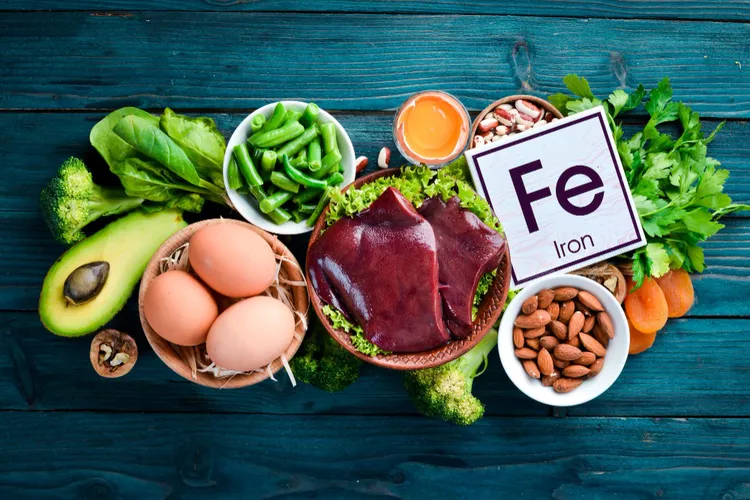
Iron deficiency is frequently misdiagnosed as burnout or depression. The symptoms overlap almost completely: persistent fatigue, difficulty concentrating, low motivation, irritability, and poor sleep quality. Globally, iron deficiency is the most common nutritional deficiency, affecting around 25% of the population - a significant proportion of whom have no idea. If you've been feeling persistently flat and tired without a clear explanation, iron is worth checking before assuming the problem is psychological.
Why Iron Affects Mood
Iron is required for several processes directly relevant to mental health:
- Oxygen transport: Haemoglobin (the protein in red blood cells that carries oxygen) requires iron. Low iron means reduced oxygen delivery to the brain - which causes the characteristic fog, fatigue, and difficulty concentrating.
- Dopamine synthesis: Iron is a cofactor in the enzyme tyrosine hydroxylase, which converts tyrosine to dopamine. Low iron directly reduces dopamine production.
- Thyroid function: Iron is needed for the enzyme that activates thyroid hormones. Low iron can contribute to hypothyroid symptoms including fatigue and low mood even when thyroid hormone levels appear normal.
- Mitochondrial function: Iron is essential for cellular energy production. Low iron causes fatigue at the cellular level, not just the circulatory level.
Haem vs Non-Haem Iron
There are two forms of dietary iron:
- Haem iron: Found in meat, poultry, and fish. Absorbed at around 20-30% efficiency regardless of what else you eat.
- Non-haem iron: Found in plants, eggs, and fortified foods. Absorbed at only 2-10% efficiency, but this can be significantly improved by pairing with vitamin C and significantly worsened by coffee, tea, calcium, and phytates (in whole grains and legumes).
Practical implications: eating a steak is more efficient for iron than eating the same amount of lentils, but lentils with a squeeze of lemon juice (vitamin C) at a meal without coffee is meaningful. Waiting 60 minutes after eating before having coffee or tea noticeably improves iron absorption from plant sources.
Best Dietary Sources of Iron
Iron content per 100g (approximate):
- Chicken liver: ~12mg (haem - very bioavailable)
- Beef: ~3mg (haem)
- Sardines: ~3mg (haem)
- Lentils, cooked: ~3.3mg (non-haem)
- Spinach, cooked: ~3.6mg (non-haem - but higher than raw due to reduced volume)
- Pumpkin seeds: ~8mg (non-haem)
- Dark chocolate 70%+ (30g): ~3mg (non-haem)
- Eggs (2 large): ~2.4mg (non-haem)
- Tofu: ~5.4mg (non-haem)
Iron-Rich Meals
The Highest-Impact Lunch
The Coconut Curry Lentils with Spinach is the most iron-rich plant-based meal readily available on the site. Lentils (~3.3mg per 100g cooked) plus a generous amount of spinach (~3.6mg per 100g cooked) in a single dish. The curry paste contains spices; add a squeeze of lime juice to the finished dish to provide vitamin C for absorption. One generous serving covers roughly 6-7mg of non-haem iron - about 40% of daily needs for women (who require 18mg/day), 70% for men (8mg/day).
Beef for Haem Iron
Haem iron from red meat is the most efficiently absorbed form. Lean cuts two to three times per week is sufficient for most people to maintain iron status. Beef in a stir-fry with spinach (a double iron source) is a simple combination. Spinach and Cottage Cheese Turkey Burgers use turkey rather than beef but still combine a lean haem iron source with spinach - roughly 3-4mg iron per serving.
Egg-Based Meals
Eggs provide non-haem iron alongside tryptophan, B12, and complete protein. The Egg, Spinach and Bacon Muffins combine eggs (iron, B12) with spinach (iron, folate) in a portable format. Two muffins provides roughly 3-4mg iron and covers several mood-relevant micronutrients simultaneously.
Sardines - The Underrated Option
Canned sardines provide haem iron (~3mg/100g), EPA/DHA omega-3, and B12 in one of the cheapest formats available. On whole-grain toast with a squeeze of lemon, they make a fast, high-iron lunch. Five-Minute Keto Fried Sardines with Olives is a fast dinner option that covers haem iron, omega-3, and anti-inflammatory polyphenols from the olives.
Iron and Vitamin C - The Pairing Rule
For plant-based iron sources, pairing with vitamin C at the same meal is the single most impactful absorption strategy. Vitamin C reduces iron from its less absorbable (ferric) form to the absorbable (ferrous) form. Practical applications: lemon juice on lentils, tomatoes in an egg dish, orange segments in a spinach salad. The Lemon-Infused Cabbage Salad with Olive Oil provides vitamin C from both the cabbage and the lemon - pair with an iron-rich main for better absorption.
Getting Tested
If you suspect iron deficiency, a standard blood test checking serum ferritin (iron stores) and full blood count is informative. Note: serum iron alone can be normal while ferritin is low - ferritin is the more sensitive indicator of depletion. Supplementation should be done under medical guidance; iron overload causes its own problems. Dietary improvement is appropriate for everyone; supplementing without testing is not. For how iron fits alongside other mood nutrients in a practical weekly plan, see the Dopamine Food guide.
Disclaimer: This article is for informational purposes only and does not constitute medical or nutritional advice. It is not intended to diagnose, treat, cure, or prevent any condition. Always consult a qualified healthcare professional or registered dietitian before making changes to your diet, especially if you have a medical condition or are managing a mental health concern.
Latest