Japanese Home Cooking: Simple Weeknight Dishes Beyond Sushi
Japanese home cooking - the everyday version eaten in Japanese households - is fast, lean and macro-friendly. Oyakodon, teriyaki, miso soup and tamago gohan are where to start.
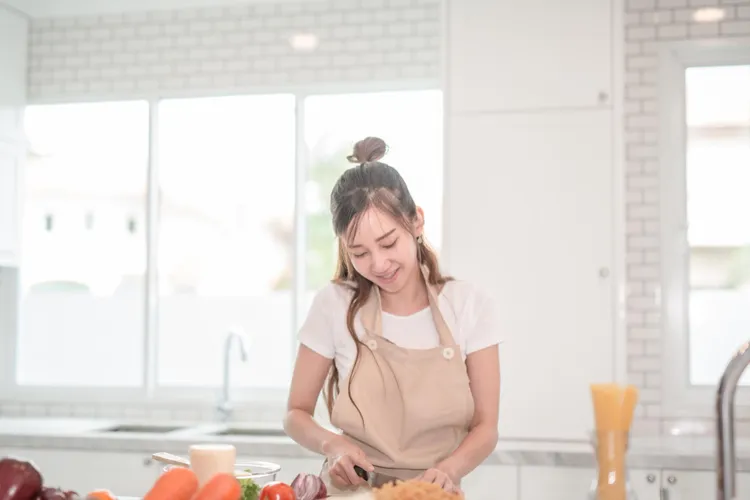
Japanese restaurant food outside Japan is dominated by sushi, ramen and tempura - all legitimate, all excellent, none of them what most Japanese households eat on a Tuesday night. Actual Japanese weeknight cooking is simple: a bowl of rice, a piece of grilled fish or meat, miso soup, pickled vegetables. The whole thing takes 20-25 minutes and comes in under 500 kcal without trying.
This guide covers the six dishes that represent Japanese home cooking as it is actually practiced: fast, precise, high-protein, and built around a pantry that requires minimal investment.
The Japanese Pantry (What You Actually Need)
Japanese cooking uses fewer base ingredients than most global cuisines. The core five:
- Soy sauce (shoyu) - light Japanese soy, slightly less salty than Chinese varieties. Used in almost everything.
- Mirin - sweet rice wine. Adds gloss and subtle sweetness to teriyaki and sauces. Not a substitute for sake.
- Sake - cooking sake removes fishiness from fish and adds depth to sauces. Can substitute with dry sherry.
- Miso paste (shiro/white) - white miso is mild and versatile. Red miso is stronger. White covers 90% of home cooking applications. See the full miso guide for varieties and uses.
- Dashi stock - the umami base of Japanese cooking. Instant dashi granules (hondashi) take 30 seconds to make and are found in any Asian supermarket. Fresh dashi from kombu and bonito flakes takes 20 minutes and is significantly better for dishes where the broth matters.
Beyond those five: sesame oil (finishing), rice vinegar, togarashi (chilli flakes), nori (roasted seaweed sheets), Japanese short-grain rice. That is essentially the whole pantry.
Six Weeknight Dishes to Master
1. Oyakodon (Chicken and Egg Rice Bowl)
Oyakodon means "parent and child" - chicken (parent) and egg (child) simmered together in a dashi-mirin-soy broth, served over rice. It takes 15 minutes including rice. It is one of the most comforting Japanese dishes and costs almost nothing per serving.
Method: Slice chicken thigh into bite-sized pieces. Simmer in a small pan with dashi, soy and mirin (ratio roughly 3:1:1) until just cooked. Beat eggs loosely - you want some parts set and some parts silky. Pour over the chicken, cover, cook 30 seconds until just set. Slide onto rice.
Macro estimate: ~470 kcal, 36g protein, 55g carbs, 10g fat. High protein, moderate carbs. One of the best macro-per-minute dishes in this guide.
2. Teriyaki (Chicken, Salmon or Tofu)
Teriyaki sauce is four ingredients: soy sauce, mirin, sake and sugar in equal parts. Heat until slightly thickened. That is it - no bottle required. The technique is to sear the protein first, then glaze with the sauce in the last two minutes of cooking. The sauce caramelises slightly and coats the protein.
Teriyaki chicken thighs: ~380 kcal, 34g protein, 18g carbs, 16g fat. Teriyaki salmon: ~420 kcal, 32g protein, 18g carbs, 20g fat. Both work with the same sauce and the same method.
3. Miso Soup
Real miso soup takes four minutes. Bring dashi to a gentle simmer (not boiling - boiling destroys the probiotics in miso and flattens the flavour). Add tofu, wakame seaweed, spring onion. Dissolve miso paste through a small sieve directly into the dashi - never add miso before the water is off the boil. Done.
Macro estimate: ~80 kcal, 7g protein, 5g carbs, 3g fat per bowl. It is the lowest-calorie substantive dish in Japanese cooking and covers a surprising amount of micronutrient ground: wakame is rich in iodine and folate, tofu provides plant protein.
4. Tamago Kake Gohan (Raw Egg Rice)
Tamago kake gohan - rice with a raw egg stirred through it, seasoned with soy sauce - is the Japanese equivalent of toast and butter: a breakfast or late-night meal eaten for comfort rather than ambition. It requires hot rice, a fresh egg and good soy sauce. Takes two minutes. Around 380 kcal with two eggs, 22g protein. Only use fresh eggs from a reliable source if you are not cooking the egg through.
5. Ginger Pork (Shogayaki)
Shogayaki is thinly sliced pork belly or pork loin pan-fried in a ginger-soy-mirin marinade. It is one of the most popular bento and lunch dishes in Japan. The ginger does the work: it tenderises the pork and cuts through the fat. Serve over rice with shredded white cabbage and pickles.
Macro estimate (pork loin version): ~430 kcal, 36g protein, 42g carbs, 11g fat. Pork belly version is richer: ~560 kcal with significantly more fat.
6. Miso-Glazed Salmon
White miso, mirin and a little sugar, whisked together and spread over salmon fillets, then grilled or roasted. The miso caramelises under heat and creates a lacquered, slightly sweet crust. It is the simplest thing you can do with a salmon fillet and one of the best results. Marinate for one hour minimum, overnight for full depth.
Macro estimate: ~420 kcal, 38g protein, 14g carbs, 22g fat. High protein, omega-3-rich. Good with steamed rice and a bowl of miso soup on the side for a complete meal under 550 kcal total.
Japanese Tea as a Meal Companion
Japanese cooking culture is inseparable from tea. Sencha is the everyday green tea drunk with most meals - slightly grassy, low caffeine, zero calories. Matcha is higher in caffeine and increasingly used in cooking (not just lattes). For a full breakdown of Japanese tea varieties and their cooking uses, see the beginner's guide to Japanese tea on CookThisMuch.
Macro Profile: Why Japanese Food is Lean
Japanese home cooking is lean by design, not coincidence. The cooking methods favour grilling, simmering and steaming over frying. Portions of protein are small by Western standards - a typical serving of grilled fish in a Japanese meal is 80-120g, not 200g. Vegetables appear in multiple forms per meal: in the miso soup, as pickles, as a small salad. Rice provides the caloric bulk. The overall structure produces meals that are filling without being calorically dense.
- Oyakodon: ~470 kcal, 36g protein
- Teriyaki salmon + rice: ~550 kcal, 38g protein
- Miso soup + rice + pickles: ~380 kcal, 12g protein (light meal)
- Shogayaki (pork loin) + rice + cabbage: ~430 kcal, 36g protein
Batch Cooking Notes
Teriyaki sauce keeps refrigerated for 2 weeks. Miso paste keeps for months. Dashi can be made in bulk and frozen in ice cube trays. Rice cooks in 12 minutes from dried in a rice cooker (worth buying if you cook Japanese food more than twice a week - it costs less than two restaurant meals). Oyakodon does not batch-cook well: the egg texture degrades. Make it fresh each time - it is fast enough that batch-cooking is not necessary.
For a full comparison of weeknight-friendly global cuisines, see the complete guide to global cuisines at home.
Latest