Korean Cooking at Home: Gochujang, Kimchi and the Macros Behind the Magic
Korean cooking at home is more accessible than it looks. Stock four core condiments and you can make bibimbap, jjigae, Korean fried chicken and a full week of macro-friendly meals.
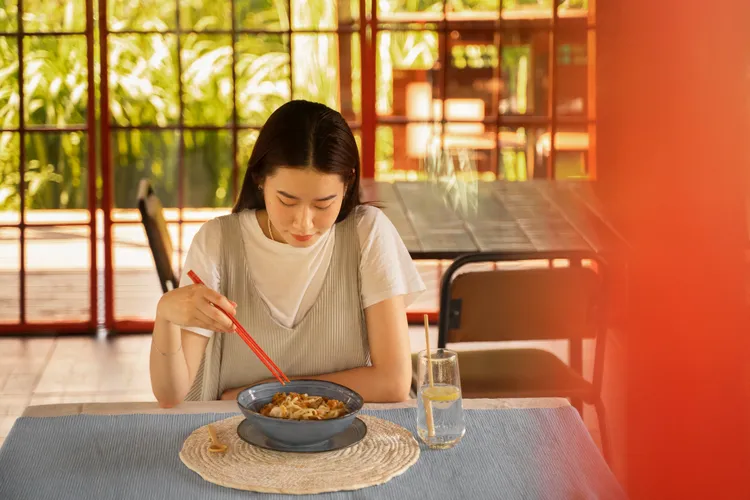
Korean food has gone from niche to mainstream so fast that most people have eaten it before they have tried to cook it. Tteokbokki, bibimbap, Korean fried chicken - these are now recognisable dishes in most cities. What is less understood is how the home cooking version of Korean food works: the pantry logic, the fermented base condiments, the reason banchan (side dishes) can be batch-cooked once and eaten across a whole week.
This guide covers the Korean pantry, the five dishes worth learning first, and what the macros look like when you cook them at home rather than ordering them in.
The Four Core Condiments
Korean cooking pivots on four fermented or seasoned staples. Once you have these, most dishes follow naturally.
- Gochujang - fermented red chilli paste. Sweet, spicy, deeply savoury. Used in marinades, stews, bibimbap sauce, tteokbokki. Keeps in the fridge for months. One tub covers dozens of meals.
- Doenjang - fermented soybean paste. The Korean equivalent of miso, earthier and stronger. Base of doenjang jjigae (the Korean answer to miso soup, but richer). Also used as a seasoning for namul (seasoned vegetables).
- Soy sauce (ganjang) - Korean soy is slightly lighter in flavour than Chinese soy. Regular Japanese soy sauce works as a substitute; Korean brands are available in most large supermarkets.
- Sesame oil - used as a finishing oil, not a cooking oil. A teaspoon at the end of a dish transforms it. Do not cook over high heat with sesame oil - the flavour burns and turns bitter.
Beyond those four: garlic (used in extraordinary quantities), ginger, spring onions, rice and rice vinegar cover most recipes. Gochugaru (Korean red pepper flakes) is worth buying if you make kimchi or want authentic heat levels; standard chilli flakes are a passable substitute.
The Five Dishes to Learn First
1. Bibimbap (Mixed Rice Bowl)
Bibimbap is the most practical Korean dish to master. It is a rice bowl topped with seasoned vegetables, a protein (usually beef bulgogi or a fried egg), and gochujang sauce. Every component can be prepped ahead - the namul vegetables keep for three to four days in the fridge, the sauce keeps for two weeks. Assembly takes three minutes.
Macro estimate (beef version, one serving): ~500 kcal, 32g protein, 60g carbs, 13g fat. Egg version with less meat: ~440 kcal, 24g protein, 62g carbs, 11g fat.
The technique: blanch or lightly saute each vegetable separately, season with soy sauce, sesame oil and garlic. The vegetables should be seasoned individually - do not mix them into a single stir-fry. Cook rice. Make the gochujang sauce (gochujang, sesame oil, a little sugar, rice vinegar). Layer rice, vegetables, protein, crack an egg on top if using, spoon over sauce. Mix at the table.
2. Doenjang Jjigae (Fermented Soybean Stew)
Doenjang jjigae is one of those dishes that Koreans eat almost daily and visitors rarely encounter. It is a stew of doenjang paste, tofu, courgette, mushrooms and whatever vegetables need using, simmered in anchovy or vegetable stock. Takes 20 minutes. Costs almost nothing. Has a deep, funky, savoury quality that is not spicy - good for people who find gochujang intimidating.
Macro estimate: ~220 kcal, 18g protein, 14g carbs, 10g fat (before rice). Add rice and the meal sits around 420 kcal total.
3. Dakgalbi (Spicy Stir-Fried Chicken)
Dakgalbi is chicken thighs (boneless, skin-on or off) marinated in a gochujang-based sauce, stir-fried with sweet potato, cabbage and rice cakes. It is the weeknight version of Korean barbecue - no grill required. The marinade takes five minutes, the cook takes ten.
Macro estimate (without rice cakes): ~380 kcal, 38g protein, 18g carbs, 16g fat. The sweet potato and rice cakes add carbs - budget-friendly and filling.
4. Gyeran Bap (Egg Rice Bowl)
This is the simplest possible Korean meal: rice, a fried egg, soy sauce, sesame oil, a sheet of roasted nori torn over the top. It sounds like nothing. It is genuinely satisfying and takes four minutes. ~420 kcal with two eggs, 22g protein. It is the Korean version of what Japanese cooks call tamago kake gohan - the meal that tells you how good your rice and condiments really are.
5. Tteokbokki (Spicy Rice Cakes)
Tteokbokki - the spicy, chewy, addictive rice cake dish that has gone viral globally - is achievable at home with fresh or packaged tteok (rice cakes) from Asian supermarkets or online. CookThisMuch has a full guide at Korean Tteokbokki: The Spicy Rice Cake Dish Taking Over the World covering every variation including the viral rose (creamy) version and rabokki (with ramen noodles).
Macro estimate (standard version, one serving): ~380 kcal, 12g protein, 68g carbs, 7g fat. High-carb, moderate protein - best as part of a meal with a protein side.
Kimchi: Buy It or Make It
Kimchi is the fermented cabbage at the heart of Korean cooking. You do not need to make it to cook Korean food - bought kimchi is widely available and perfectly good for cooking. Use it in kimchi fried rice (kimchi bokkeumbap), kimchi jjigae (kimchi stew) and as a banchan alongside any meal.
If you want to make it: the fermentation process is explained in the same principles as other lacto-fermented vegetables. See the fermentation guide on CookThisMuch for the foundational method - kimchi uses the same biological logic (salt, cabbage, LAB) with a Korean spice vocabulary layered on top.
Banchan: The Batch-Cook System
The smartest thing about Korean home cooking is banchan - the system of small seasoned side dishes served alongside rice and a main. A Korean home cook might make four to six banchan on Sunday and rotate them across the week. Typical banchan include sigeumchi namul (blanched spinach with sesame and garlic), kongnamul (seasoned soybean sprouts), japchae (glass noodles with vegetables), and various pickled vegetables.
Each banchan portion is small - 60-100g - but the variety makes a meal feel substantial. From a meal prep standpoint this is efficient: two hours of cooking on Sunday produces condiments and sides for five to seven days of meals. The macro contribution of banchan is typically 60-150 kcal per 100g depending on the dish.
Macros at a Glance
Korean food is generally well-balanced: moderate protein, moderate carbs from rice, relatively low fat except in barbecue dishes. The fermented condiments (gochujang, doenjang) are high in sodium - a genuine consideration for anyone tracking salt intake. Use them as seasonings rather than main ingredients and the sodium levels are manageable.
- Bibimbap (beef): ~500 kcal, 32g protein, 60g carbs, 13g fat
- Doenjang jjigae + rice: ~420 kcal, 20g protein, 58g carbs, 10g fat
- Dakgalbi (chicken): ~380 kcal, 38g protein, 18g carbs, 16g fat
- Tteokbokki: ~380 kcal, 12g protein, 68g carbs, 7g fat
Where to Buy Korean Ingredients
Gochujang and doenjang are now stocked in the world foods aisle of most large supermarkets (Tesco, Waitrose, Sainsbury's in the UK; Whole Foods, H Mart in the US). Asian supermarkets will have the full range including tteok, gochugaru and perilla leaves. Online (Amazon, Sous Chef, Korean grocery websites) covers anything not available locally.
Meal Prep Notes
Bibimbap components prep well: namul vegetables keep 3-4 days refrigerated, bulgogi marinade keeps 24 hours, sauce keeps 2 weeks. Doenjang jjigae reheats well and improves overnight. Tteokbokki does not reheat well - the rice cakes harden. Cook tteokbokki to serve.
For a full week of meals built around global cooking, see the complete guide to global cuisines at home.
Latest