Mixed Grain Bowls: The Easiest Way to Stack Plants at Lunch
A grain bowl built on a mixed grain base with a legume, three or four roasted vegetables, a seed topping, and an herb dressing hits 10-14 distinct plants in a single meal. Here are five variations, a base formula, and how to batch-prep the components in 30 minutes on Sunday.
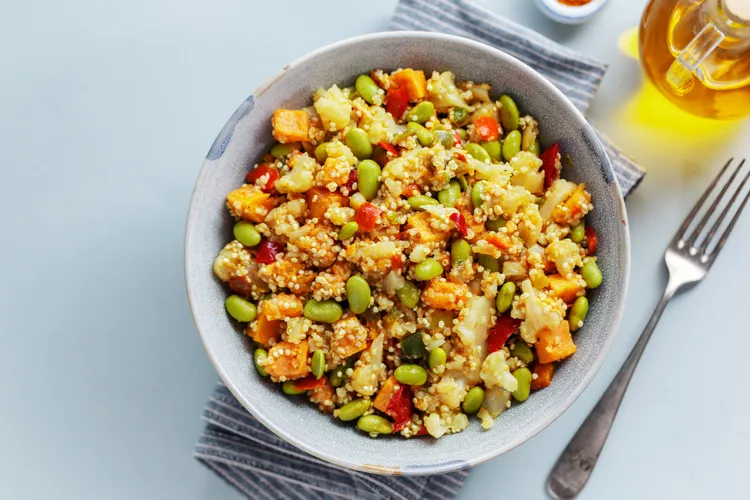
A grain bowl is structurally ideal for plant diversity because every layer is a separate opportunity to add a different plant. The base is one or more grains. The protein layer is a legume. The vegetable layer is whatever's in the fridge, ideally three or four different ones. The topping is seeds. The dressing is herbs and acid. Five layers, each a different plant category, producing 10-14 plants in a single meal. This is the lunch format that most efficiently pushes the weekly total forward.
The Base Formula
Layer 1 (Grain base, 1-3 plants): Use a mixed grain pouch or cook a combination yourself. Quinoa + brown rice is 2 plants and cooks simultaneously in 15 minutes. Adding farro or barley to the pot = 3 plants. Aim for 150-180g cooked grains per bowl.
Layer 2 (Legume, 1 plant): Tinned beans or lentils, drained and rinsed. Chickpeas, black beans, kidney beans, or green lentils. Rotate each week to keep diversity high across the month.
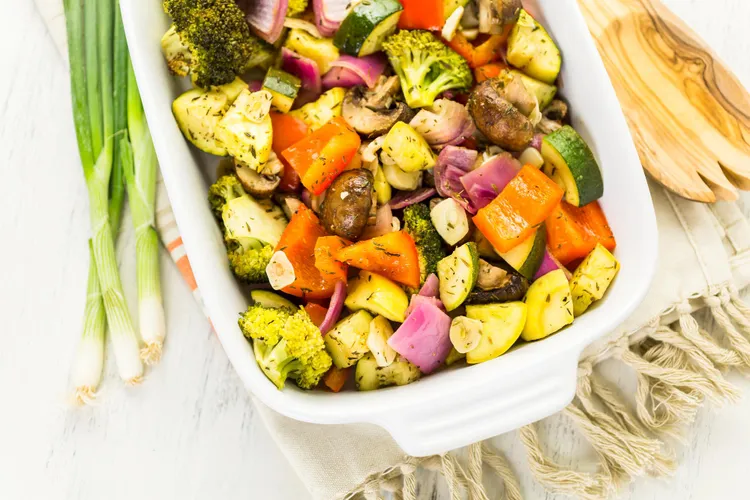
Layer 3 (Vegetables, 3-4 plants): Roasted (best flavour), raw (fastest prep), or a mix. Use whatever vegetables need using. Aim for at least 3 different varieties.
Layer 4 (Seeds or nuts, 1-3 plants): 1 tablespoon of mixed seeds or a small handful of chopped nuts. Added cold, directly on the assembled bowl.
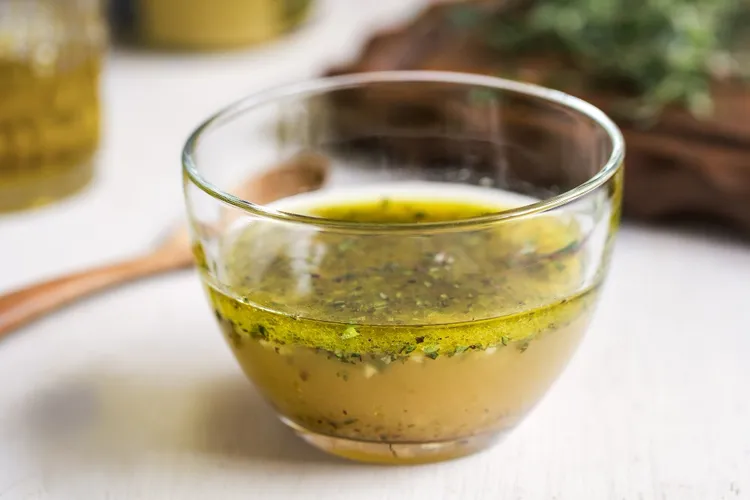
Layer 5 (Dressing, 2-4 plants): A herb-based dressing using tahini or olive oil + acid (lemon, vinegar) + at least one dried or fresh herb. Each spice or herb in the dressing counts.
5 Bowl Variations
Variation 1: Miso-Sesame Bowl (12 plants)
Grains: Quinoa + brown rice (2). Legume: Edamame (1). Veg: Roasted broccoli, sliced carrot, pickled cucumber (3). Seeds: Black and white sesame (1-2). Dressing: White miso + sesame oil + rice vinegar + ginger + garlic = 3-4 plants. Total: 11-13 plants.
Ginger and garlic raw in the dressing rather than cooked to preserve their prebiotic compounds.
Variation 2: Roasted Vegetable and Tahini Bowl (13 plants)
Grains: Farro + quinoa (2). Legume: Chickpeas, roasted with smoked paprika and cumin (1 legume + 2 spices). Veg: Roasted sweet potato, red pepper, and courgette (3). Seeds: Mixed seeds (4). Dressing: Tahini + lemon + garlic (already counted) + flat-leaf parsley = 2. Total: 14 plants.
Roasting the chickpeas until crispy (200°C for 25 minutes after patting dry) adds texture contrast. The chickpeas absorb the spices and become a crunchy topping element.
Variation 3: Mexican-Spiced Bowl (13 plants)
Grains: Brown rice + corn (2). Legume: Black beans + kidney beans from a mixed tin (2). Veg: Shredded red cabbage, cherry tomatoes, sliced avocado (3). Seeds: Pumpkin seeds (1). Dressing: Lime juice + coriander leaf + smoked paprika + cumin (4). Total: 12 plants.
Corn is a grain in this context - cook frozen sweetcorn kernels and mix into the rice base. The combination of black beans and kidney beans from a mixed tin achieves 2 legume plants with one tin.
Variation 4: Middle Eastern Spiced Bowl (12 plants)
Grains: Bulgur wheat (1). Legume: Green or Puy lentils (1). Veg: Roasted beetroot, roasted carrot, fresh tomato (3). Nuts: Toasted walnuts (1). Dressing: Sumac + cumin + flat-leaf parsley + lemon + olive oil (4). Extras: Sliced cucumber, crumbled feta (if dairy included) (1). Total: 11-12 plants.
Bulgur wheat is a different plant from any other grain on this list. Cooked in 10 minutes in boiling water - faster than rice or farro.
Variation 5: Green Power Bowl (11 plants)
Grains: Quinoa (1). Legume: Cannellini beans (1). Veg: Tenderstem broccoli, spinach, frozen peas, sliced courgette (4). Seeds: Hemp seeds + pumpkin seeds (2). Dressing: Basil + garlic + lemon + olive oil (3). Total: 11 plants.
A blended basil dressing (loosely a pesto) coats all the components. Use a blender or mini food processor: basil, garlic, lemon juice, olive oil, water. No cheese needed.
Sunday Batch Prep: 30 Minutes for 5 Lunches
The grain bowl format rewards batch prep. Cook a large quantity of mixed grains on Sunday (40 minutes, mostly unattended), roast a tray of mixed vegetables (25 minutes at 200°C), and drain 2 tins of different legumes. Refrigerate in separate containers. Assemble bowls in 3 minutes per morning or at lunchtime, varying the combination each day.
Sunday prep output: 400g cooked mixed grains (4-5 lunch portions) + 2 trays of roasted veg (4-5 portions) + 2 tins legumes (4-5 portions) + 1 jar dressing. Total active cooking time: ~30 minutes. Total passive oven time: 25-35 minutes. This prep covers the lunch component of the full 7-day meal plan.
Use the daily macro planner to balance your grain bowl macros across the week.
When Grain Bowls Go Wrong
The most common grain bowl failure is insufficient acid and salt in the dressing. A bowl with well-seasoned, well-dressed components tastes like lunch. The same bowl with a weak, unseasoned dressing tastes like penance. The dressing rule: taste it on its own before adding it to the bowl. It should taste slightly too intense on a spoon - it dilutes when it contacts the grains and vegetables. For how grain bowls fit into the full weekly plant diversity system, the 30-plant-week challenge guide shows how each meal format contributes to the overall target.
Storing and Reheating Grain Bowls
Assembled grain bowls don't keep well - the dressing wilts greens and makes seeds soggy within a few hours. The correct storage approach is component-based: grains, legumes, and roasted vegetables in separate containers, assembled at the point of eating. Cooked grains keep 4-5 days refrigerated. Roasted vegetables keep 3-4 days. Tinned legumes keep 3-4 days once drained and stored in water in a covered container. Dressing keeps 5-7 days refrigerated (shake or whisk before using).
Reheating: grains reheat well in a microwave with a splash of water to prevent drying. Roasted vegetables are best eaten at room temperature or cold if the batch is being used for lunch - reheating tends to make them soft. Legumes can be used cold straight from the fridge. The assembled bowl works well as a cold lunch or warmed grain bowl depending on the season and preference.
Dressings That Add Plant Diversity
The dressing is often where plant diversity is added or lost in a grain bowl. A dressing made from olive oil and lemon juice = 1-2 plants. The same dressing with garlic, fresh herbs, cumin, and sumac = 5-6 plants. Building dressing complexity is one of the cheapest and easiest ways to stack plants at this meal. The components that add the most diversity to dressings: tahini (sesame), miso (soya/rice/barley), fresh herbs (coriander, flat-leaf parsley, basil, mint - each a separate plant), and spices (cumin, coriander, smoked paprika, turmeric). A tablespoon-scale addition of each is enough for a full bowl. For more on how spices contribute to plant diversity specifically, the herbs and spices guide covers every relevant spice and blend. The full grain bowl approach connects to the 30-plant challenge system as the most efficient lunch format for midweek plant diversity accumulation.
Protein Additions for Flexitarians
Grain bowls are complete meals without any added protein beyond the legume layer, but flexitarians who want to include fish or egg can do so without disrupting the plant diversity structure. A soft-boiled egg adds protein and fat without any plant diversity contribution (animal product). A piece of grilled salmon or tuna sits on top of the grain base and works well with the miso-sesame or Middle Eastern dressing variations. A small amount of good-quality tinned fish - sardines, mackerel, or anchovies - mixed through the grains adds protein and omega-3 fatty acids while the plant layers remain the focus.
The structural principle: animal protein is an addition to the bowl, not a replacement for the legume layer. The legume stays in the bowl because it's contributing plant diversity, fibre, and its own protein. The fish or egg sits alongside rather than replacing. This distinction is what makes grain bowls flexitarian-compatible without compromising the plant diversity purpose of the format.
Seasonal Grain Bowl Variations
The five variations above are year-round templates, but the vegetable layer rotates most efficiently with the seasons. Winter grain bowl vegetables: roasted celeriac, roasted beetroot, shredded kale (massaged with olive oil), roasted red onion, roasted squash. Spring grain bowl vegetables: asparagus, fresh peas, spring onion, spinach (raw), roasted new potatoes. Summer grain bowl vegetables: raw courgette ribbons, roasted cherry tomatoes, grilled corn, fresh cucumber, raw rocket. Autumn grain bowl vegetables: roasted sweet potato, roasted parsnip, roasted mushrooms, wilted cavolo nero, roasted fennel. Rotating seasonally adds plants you'd otherwise not eat and keeps the format interesting across a full year. For the complete 30-plant system this format supports, the challenge guide covers the full picture.
The Grain Bowl as a Waste-Reduction Tool
One of the most practical advantages of the grain bowl format for plant diversity is its ability to absorb almost any vegetable or legume without a specific recipe. A grain bowl with whatever roasted vegetables are left from the week, whatever legumes are in the fridge, and whatever dressing ingredients you have - seasoned well - is a complete meal. This makes it the natural end-of-week meal that uses up produce before it spoils, adds plant diversity from ingredients that might otherwise be wasted, and requires no new shopping. The grain bowl is the anti-waste meal for plant-forward households. The format accepts broccoli and cauliflower side by side, mixed grains cooked together, partial tins of different legumes combined in one bowl, half-used jars of tahini and miso in the same dressing. Nothing is too small a quantity to add and every addition is a plant. For the full system of plant diversity habits this format supports, the challenge overview covers the complete weekly approach.
Why This Format Belongs in Every Week
The grain bowl is the most reliable lunch format for plant diversity because it's infinitely variable within a fixed structure. The structure (grain + legume + vegetables + seeds + dressing) stays the same; the specific plants within each layer rotate. This means it never requires recipe decision-making beyond choosing the day's combination, but it reliably generates 10-14 plants per meal across infinite variations. Once you've made grain bowls 10-15 times, the format becomes as automatic as making a sandwich - faster, actually, if the components are batch-prepped. For how grain bowls integrate with the full weekly plant diversity system, the complete challenge guide covers every element.
Grain Bowl Plant Count Summary
For reference, here are the approximate plant counts for each variation above: Miso-Sesame Bowl: 11-13 plants. Roasted Vegetable and Tahini: 14 plants. Mexican-Spiced: 12 plants. Middle Eastern: 11-12 plants. Green Power: 11 plants. Average across the five variations: approximately 12 plants per bowl. One grain bowl lunch per day across five working days would contribute approximately 25-30 unique plants to the weekly total from lunch alone - and in practice many of those plants overlap between days, meaning the actual unique plant count from five lunches is around 20-25 new plants added to the week. Combined with plant-dense breakfasts from the breakfast guide, the week's target is easily met before dinner is factored in. For the full system, the challenge overview shows how all meal formats contribute.
The grain bowl is the single meal format most worth mastering for plant diversity. Its structure is fixed enough to be repeatable and flexible enough to never be repetitive. Five variations are enough to cover the working week indefinitely, rotating between them and varying the specific plants within each layer. The investment in learning the format returns dividends across every week that follows - every grain bowl made after the first month is faster, better-seasoned, and more plant-diverse than the first attempts. For the complete plant diversity system that grain bowls support, the 30-plant challenge guide, practical weekly system, and 7-day meal plan together provide the full picture from pantry to plate. The grain bowl format earns its place as the primary lunch vehicle for plant diversity because it is simultaneously structured and flexible, quick to assemble from batch-prepped components, and capable of hitting 10-14 plants in a single meal. No other lunch format achieves that plant count as reliably with that level of practical convenience.
Latest