High-Plant Breakfasts: 8 Bowls That Hit 6+ Plants Before Noon
Breakfast is the most efficient meal for plant diversity because the format - bowls, oats, smoothies - stacks multiple plants with minimal prep. These eight breakfasts each hit 6 or more distinct plants, most take under 5 minutes, and none require any cooking.
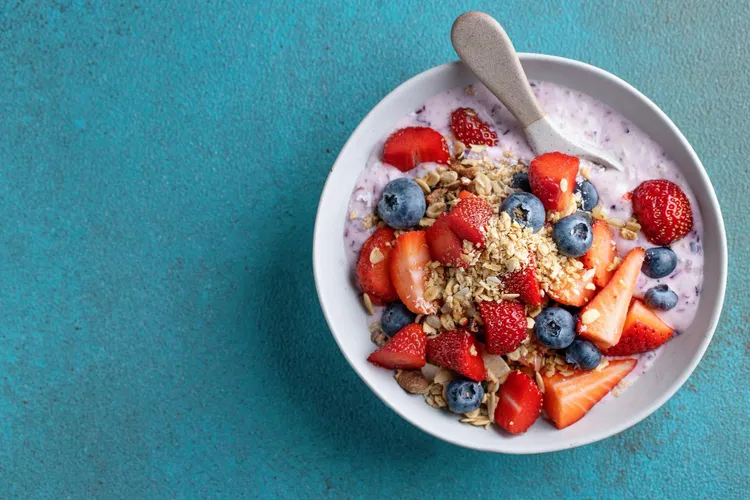
Plain oats with milk = 1 plant. The same bowl with two types of grain flakes, three seeds, two fruits, and a nut butter = 9 plants. The prep time difference is approximately 60 seconds. Breakfast is where most people have the clearest opportunity to add plant diversity with minimal effort, because the formats that work at breakfast - overnight oats, smoothie bowls, seedy toast - are naturally additive. You build them by adding things, and each addition is usually another plant.
The 8 Breakfasts
1. Mixed Grain Overnight Oats (9 plants)
The night before: 60g mixed grain oats (oats, rye, barley) + 1 tbsp chia seeds + 1 tbsp flaxseeds + 1 tbsp hemp seeds + 200ml oat milk or dairy milk. Stir, cover, refrigerate overnight.
Morning: Top with a handful of frozen mixed berries (thawed or still cold - both work) and 1 tbsp almond or peanut butter.
Plants: oats, rye, barley (3) + chia, flax, hemp (3) + strawberry, blueberry, raspberry (3 from mixed berries) = 9 plants. Add your morning coffee = 10.
Prep time: 3 minutes the night before, 1 minute in the morning.
2. Seedy Toast Stack (7 plants)
2 slices wholemeal rye bread + 2 tbsp mixed seeds (pumpkin, sunflower, sesame, linseed) + 1 ripe banana, sliced + 1 tbsp tahini or nut butter + optional handful of blueberries.
Plants: rye (1) + pumpkin seeds, sunflower seeds, sesame, linseed (4 from mixed seeds) + banana (1) + sesame/tahini (already counted if sesame in seeds) or almonds if almond butter (1) = 7 plants.
Prep time: 2 minutes. No cooking.
3. Smoothie Bowl (8 plants)
Blend: 150g frozen mixed berries + 1 banana + 60g mixed grain oats + 200ml milk of choice. Pour into a bowl - it should be thick, not drinkable. Top with mixed seeds, a few extra berries, and 1 tbsp peanut butter.
Plants: strawberry, blueberry, raspberry, blackcurrant (4 from berries) + banana (1) + oats (1) + pumpkin, sunflower, sesame seeds (3 from mixed seeds) = 9 plants. Richer in plants than a drinkable smoothie because the toppings add variety.
Prep time: 5 minutes including blending.
4. Nut and Fruit Yoghurt Bowl (7 plants)
200g plain full-fat yoghurt + 2 tbsp mixed nuts (walnuts, almonds, cashews) + 1 tbsp mixed seeds + 1 apple, chopped + a handful of frozen raspberries (thawed) + 1 tsp cinnamon.
Plants: walnuts, almonds, cashews (3) + pumpkin, sunflower, sesame seeds (3 from mixed seeds) + apple (1) + raspberry (1) + cinnamon (1) = 9 plants. One of the quickest breakfasts on this list - no prep beyond assembly.
Prep time: 2 minutes.
5. Spiced Porridge with Compote (7 plants)
Cook 60g mixed grain oats with 300ml milk. Stir in 1 tsp cinnamon, 1/4 tsp cardamom, 1/4 tsp ginger. Serve with a quick berry compote (handful of frozen mixed berries + splash of water, microwaved 2 minutes) and 1 tbsp walnuts.
Plants: oats, rye, barley (3 from mixed grains) + cinnamon, cardamom, ginger (3) + strawberry, blueberry, raspberry (3 from compote) + walnuts (1) = 10 plants.
Prep time: 8 minutes total including cooking.
6. Miso Oats (6 plants)
Savoury oats: less common but worth trying once for the plant diversity. Cook 60g mixed grain oats in water. Stir in 1 tbsp white miso, top with a soft-boiled egg, sliced spring onion, sesame seeds, and a few drops of sesame oil.
Plants: oats, rye, barley (3) + soya/rice/barley (miso, 2-3 plants depending on variety) + spring onion (1) + sesame (1) = 7-8 plants.
Prep time: 10 minutes. Best on a weekend morning.
7. Mixed Grain Granola Bowl (8 plants)
Homemade granola made once and used all week: 300g mixed grain oats + 100g mixed seeds + 100g mixed nuts + 2 tbsp honey + 2 tbsp coconut oil + 1 tsp cinnamon. Bake at 160°C for 20-25 minutes, cool, store in a jar. Serve 60-70g granola with yoghurt, sliced banana, and fresh berries.
Plants per bowl: oats, rye, barley (3) + pumpkin, sunflower, sesame, linseed (4 from mixed seeds) + walnuts, almonds, cashews (3 from mixed nuts) + cinnamon (1) + banana (1) + berries (3) = 15 plants per bowl.
Prep time: 25 minutes once per week for the batch; 2 minutes per morning for assembly.
8. Buckwheat Pancakes with Compote (7 plants)
A weekend option. Mix 100g buckwheat flour + 1 egg + 150ml milk + pinch of salt. Cook thin pancakes in a dry pan. Serve with frozen berry compote, sliced kiwi, and a tablespoon of mixed seeds scattered over.
Plants: buckwheat (1) + egg (0 - animal product) + strawberry, blueberry, raspberry (3 from compote) + kiwi (1) + pumpkin, sunflower, sesame (3 from seeds) = 8 plants.
Prep time: 15 minutes active.
The Morning Coffee Habit
Coffee counts as one plant, once per week. If you drink coffee every morning, it's already in your weekly total. The same applies to your morning tea - whether green, black, or herbal. This doesn't change your breakfast prep but it's worth counting, because many people don't realise they're starting the week with a plant already in the bank.
Stacking the Week
A breakfast that hits 8 plants on Monday doesn't mean you need 8 more breakfast plants on Tuesday - Monday's plants are already counted. By Tuesday, aim for 2-3 new plants at breakfast (ones you didn't eat Monday). By Friday, breakfast may only add 1 new plant because most breakfast plants are already counted. The strategy shifts through the week: front-load at breakfast in the first two days, then use lunch and dinner for the final diversity push. For the full weekly framework, the 30-plant-week challenge guide and the 7-day meal plan map this out across all meals.
What to Do When You Have No Appetite in the Morning
Some people genuinely don't feel hungry first thing. Forcing breakfast for plant diversity purposes is counterproductive if it creates a negative association with the habit. The practical solution: make breakfast small and dense rather than large and varied. A tablespoon of mixed seeds + a piece of fruit + coffee = 5-6 plants in under a minute with no preparation and minimal eating. The overnight oats format is also useful here because it's already made - the barrier to eating is lower when it's just a case of opening the fridge.
For people who prefer eating later in the morning, delay the meal but keep the format. A mid-morning smoothie bowl with 8-9 plants is functionally identical to an 8am breakfast for plant diversity purposes. The weekly target doesn't care when within the day you eat each plant - it cares that you eat them within the week.
Scaling Breakfast Plant Diversity Through the Week
The most efficient breakfast strategy across a full week is front-loading on Monday and Tuesday (highest variety, most new plants) and maintaining on subsequent days (repeating effective formats, adding 1-2 new plants per morning). By Wednesday or Thursday, most of the easiest breakfast plants are already counted. From Thursday onwards, breakfast contributes fewer new plants to the weekly total - the diversity push shifts to lunch and dinner.
This weekly arc is normal and not a problem. The target is 30 across the whole week, not 30 at breakfast alone. The interaction between breakfast, lunch, and dinner diversity is exactly what the 7-day meal plan maps out in detail. For the complete framework behind the challenge, the 30-plant-week challenge guide is the full reference.
The Coffee Question
Coffee counts once per week as Coffea arabica or Coffea robusta (one plant per species - most commercial coffee is arabica). It's worth noting not because the gut health contribution of coffee is enormous in the plant diversity framework - a teaspoon of mixed seeds contributes more fibre than your morning cup - but because people who drink coffee every morning sometimes feel like they've 'already started' their plant count for the week, which can be motivating. Psychologically, the count starting on Monday morning with breakfast + coffee = 10-11 plants before 9am is a better start than 0.
Savoury Breakfast Options for Plant Diversity
The eight breakfasts above are all sweet or neutral in flavour profile. For people who prefer savoury breakfasts, the plant diversity options are equally strong:
Miso soup with tofu and wakame: White miso (soya/rice/barley = 2-3 plants) + silken tofu (soya, already counted) + dried wakame seaweed (a distinct plant species, and one of the few dietary sources of specific marine polysaccharides that feed gut bacteria differently from land plant fibres) + spring onion = 4-5 plants in a 5-minute breakfast.
Avocado and mixed seed toast: Wholemeal rye toast + mashed avocado + mixed seeds + sliced tomato + fresh chilli + lemon = 7 plants. The avocado provides healthy fat and prebiotic fibre (inulin); the mixed seeds add 4 plants in a tablespoon.
Shakshuka with mixed vegetables: A weekend option. Eggs poached in a spiced tomato sauce with red pepper, onion, cumin, smoked paprika, and coriander leaf = 7-8 plants. Serve with wholemeal bread to add 1 more. Takes 20 minutes but covers breakfast and often brunch.
Savoury breakfasts tend to use a wider range of spices and vegetables than sweet ones, which can be advantageous for plant diversity early in the week. For how breakfast fits into the full weekly plant count, the 7-day meal plan maps every plant across every meal, and the challenge overview explains the overall system.
Making Breakfast Diversity Automatic
The goal is to reach a point where plant-dense breakfast is the default rather than a deliberate choice. That requires reducing the decision burden at breakfast time - typically the meal with the least cognitive capacity available. The strategies that work best: make overnight oats the night before so breakfast requires only opening the fridge. Keep the mixed seeds, nut butter, and frozen berries at the front of the fridge and cupboard so they're grabbed automatically. Have a rotation of three or four breakfast formats rather than one (prevents boredom without requiring daily decision-making). Batch the granola or bircher muesli on Sunday so breakfast is a portion-and-eat exercise rather than a prep exercise on weekday mornings. Within 3-4 weeks of following a plant-dense breakfast routine, the format becomes automatic and the plant diversity it generates becomes invisible - it's just what breakfast looks like. For the complete picture of how breakfast contributes to the weekly plant count, the challenge guide and 7-day meal plan map it across the full week.
The Non-Negotiable
The one thing that makes breakfast plant diversity work long-term is removing friction. The overnight oats made the night before, the mixed seeds kept on the counter, the frozen berries always in the freezer - these are not nice-to-haves, they are the structural conditions that make the habit sustainable. A plant-diverse breakfast that requires 20 minutes of active morning prep will be skipped three days out of five. One that requires 2 minutes of assembly will not. Design the environment first; the behaviour follows. For how breakfast fits into the complete weekly plant diversity system, the 30-plant challenge guide is the full reference.
Breakfast Plant Diversity: The Weekly Arc
Monday breakfast should be the highest-plant breakfast of the week - all plants are new, and front-loading the count early in the week reduces pressure on midweek meals. Tuesday breakfast should introduce 2-3 new plants not eaten Monday. By Wednesday, aim for 1-2 new breakfast plants. Thursday to Sunday, breakfast maintains the habits but rarely adds new weekly plants because most breakfast-category plants are already counted. This weekly arc is normal and not a failure - it's the challenge working as designed. The heavy lifting at breakfast is done in the first two days; the rest of the week's diversity comes from lunch and dinner. For the complete picture of how all meals contribute to the weekly target, the 7-day meal plan and challenge guide lay out the full approach. Breakfast plant diversity is the foundation of the weekly count. The eight formats above each provide 6-10 distinct plants before the first other meal of the day, front-loading the week's progress efficiently. Mixed grain oats and mixed seeds are the non-negotiable starting point - everything else builds on that base.
Latest