Omega-3 Foods for Mental Health: A Practical Cooking Guide
EPA and DHA omega-3 fatty acids are involved in brain cell structure, neurotransmitter function, and inflammation - all of which affect mood. Here's how much you need, where to get it, and how to cook it without overcooking the benefits.
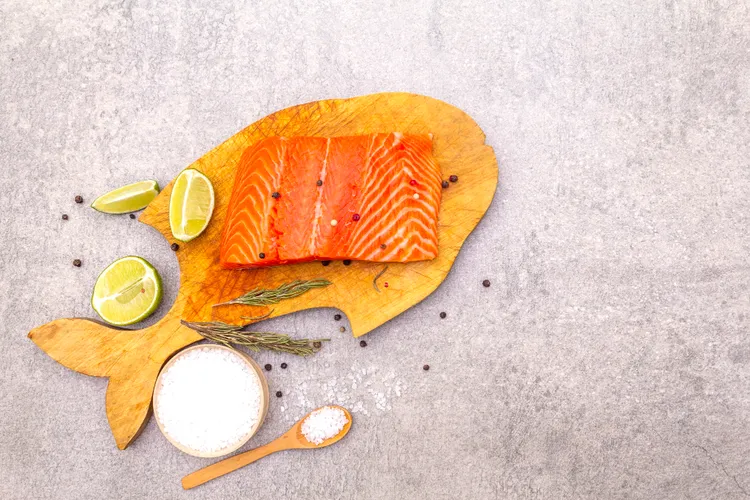
Omega-3 is probably the single most researched nutrient in the diet-mood literature. The evidence for EPA and DHA - the marine forms found in fatty fish - supporting mental health is considerably stronger than the evidence for most supplements people actually take. Multiple meta-analyses link higher omega-3 intake to lower rates of depression, and EPA specifically has shown antidepressant effects in several clinical trials. It's not a cure. But it's a real, modifiable dietary factor.
EPA, DHA, and ALA - What's the Difference?
Three main omega-3 fatty acids matter nutritionally:
- EPA (eicosapentaenoic acid): Directly anti-inflammatory. The form with the strongest evidence for mood effects. Found in fatty fish.
- DHA (docosahexaenoic acid): The primary structural fat in brain cell membranes. Essential for receptor function and neural signalling. Also found in fatty fish.
- ALA (alpha-linolenic acid): The plant form, found in walnuts, flaxseed, chia seeds, and hemp seeds. The body converts ALA to EPA and DHA, but conversion rates are low - typically 5-10% to EPA and under 1% to DHA. Plant sources are worth including, but they can't reliably replace fatty fish for brain-specific benefits.
The practical target: 250-500mg EPA+DHA per day, with 2-3 portions of fatty fish per week covering most people's needs. A 100g portion of salmon provides around 2,000-2,500mg EPA+DHA - well above the daily target.
The Omega-6 Problem
Modern diets are very high in omega-6 fatty acids (from vegetable oils, processed food, and grain-fed meat). Omega-6 and omega-3 compete for the same metabolic enzymes. A high omega-6 intake doesn't just reflect low omega-3 - it actively reduces its availability. The historical human diet had an omega-6 to omega-3 ratio of roughly 4:1. Modern Western diets typically run 15:1 or higher. This matters because excess omega-6 promotes the inflammatory pathways that omega-3 is supposed to counter. Eating more fish helps on both counts: it adds EPA/DHA and replaces some of the meals that would otherwise be based on high omega-6 ingredients.
Fatty Fish - The Practical Guide
Salmon
The most versatile and widely available source. A 150g serving provides roughly 3,000mg EPA+DHA. Lemon-Butter Baked Salmon with Roasted Asparagus is the most reliable cooking method - foil keeps it moist, it's hard to overcook, and cleanup is minimal. About 480 kcal, 42g protein. The asparagus adds folate, which supports neurotransmitter synthesis. For something richer, Creamy Salmon and Leek Pie is a good weekend option - leeks provide prebiotic fibre that supports gut health and by extension mood. Around 520 kcal, 32g protein.
Canned salmon is nutritionally comparable to fresh and significantly cheaper. Works in sandwiches, salads, or mixed into scrambled eggs.
Sardines
Sardines are among the richest EPA/DHA sources available (around 2,000mg per 100g), and among the cheapest. They're also low in mercury compared to larger fish. Canned in olive oil or tomato sauce, they work on toast, in salads, or as a quick lunch. Five-Minute Keto Fried Sardines with Olives is the fastest omega-3-rich meal you can cook - fresh sardines, olives, olive oil, five minutes. The olives add polyphenols that complement the anti-inflammatory effect.
Mackerel and Herring
Both are higher in EPA/DHA than salmon per gram (mackerel runs around 2,500mg per 100g). Smoked mackerel is already cooked and requires no preparation - useful for adding to salads or eating on whole-grain crackers. Herring in various forms (pickled, smoked) is similarly low-effort.
Plant Omega-3 Sources
For those who don't eat fish, or as supplements to a fish-based approach:
- Walnuts: 14g ALA per 100g. One 30g handful provides roughly 2.5g ALA daily. Coconut Banana Walnut Bread is a useful way to get walnuts in regularly, though the conversion to EPA/DHA remains limited.
- Chia seeds: 17g ALA per 100g. Add to overnight oats, yogurt, or smoothies. The Blueberry Chia Seed Overnight Oatmeal includes 4 tablespoons of chia seeds per serving.
- Flaxseed/flaxseed oil: Ground flaxseed added to oatmeal, smoothies, or baked goods. Oatmeal Banana Protein Shake with Flaxseed Oil uses flaxseed oil directly - one tablespoon provides roughly 7g ALA.
- Algae-based DHA supplements: The only plant-based source of preformed DHA. Derived from the microalgae that fish eat - and therefore the original source of marine omega-3. Worth considering for strict plant-based diets.
How to Cook Fish Without Losing the Omega-3
Omega-3 fatty acids are sensitive to high heat, but in practice the losses from normal cooking are modest. Baking or poaching at moderate temperatures (around 180°C / 350°F) preserves the most. Pan-frying at high heat causes some oxidation of the fats. The practical advice: don't overcook fish, use moderate heat, and don't add excessive amounts of omega-6 oils to the cooking process. Olive oil is a better choice than sunflower or corn oil for this reason.
A Weekly Target to Aim For
Two to three portions of fatty fish per week, with plant sources filling the gaps. That's achievable without the diet revolving around fish. Monday salmon, Thursday sardines on toast, Saturday mackerel salad - three meals out of 21. For the full picture of how omega-3 fits into a mood-supportive diet alongside other key nutrients, the Dopamine Food guide has a 7-day plan that maps it out.
Disclaimer: This article is for informational purposes only and does not constitute medical or nutritional advice. It is not intended to diagnose, treat, cure, or prevent any condition. Always consult a qualified healthcare professional or registered dietitian before making changes to your diet, especially if you have a medical condition or are managing a mental health concern.
Latest