Peruvian Cooking at Home: Ceviche, Lomo Saltado and Andean Staples
Peruvian cuisine is among the most underrated for home cooking: ceviche needs no heat, lomo saltado is a 20-minute stir-fry, and the macro profile is strong across most dishes. A practical guide to getting started.
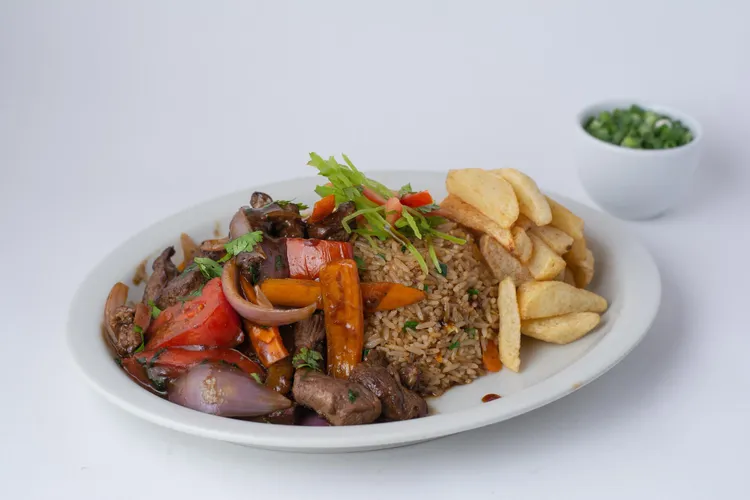
Peruvian food regularly tops the lists of the world's best cuisines, and yet it is one of the least cooked at home outside Peru and a handful of global cities. This is a missed opportunity. Ceviche - Peru's most iconic dish - requires no cooking at all, just fresh fish and a good understanding of the leche de tigre (tiger's milk) marinade. Lomo saltado is a beef stir-fry with tomatoes, peppers and chips, done in 20 minutes. The barriers to Peruvian home cooking are lower than the cuisine's reputation suggests.
The Peruvian Pantry
Peruvian cooking is a fusion of indigenous Andean cooking with Japanese, Chinese, Spanish and African influences. The pantry reflects this:
- Aji amarillo paste - the defining flavour of Peruvian cooking. Aji amarillo is a bright orange-yellow chilli with fruity heat. Available as a paste in jars from online retailers and Latin supermarkets. No reasonable substitute exists - the flavour is distinctive. Buy it.
- Aji panca paste - a darker, smokier dried chilli paste. Used in braises, marinades and anticuchos (beef heart skewers).
- Soy sauce - Chinese influence on Peruvian cooking (chifa cuisine) means soy sauce appears in lomo saltado and several other dishes.
- Lime - essential in ceviche and most sauces.
- Culantro (sacha cilantro) or fresh coriander - coriander is the accessible substitute for culantro, which is more potent.
- Purple corn (morada) - used in chicha morada (corn drink) and as a natural colorant. Not essential for starting.
- Huacatay (black mint) - Peruvian herb used in aji sauces. Available dried online; fresh is rare outside Peru. Substitute with fresh mint and a small amount of coriander.
Five Dishes to Start With
1. Ceviche Clasico
Peruvian ceviche is not the same as Mexican ceviche. The fish is cut into small cubes, cured for two to three minutes only (not hours) in a sharp leche de tigre - a blend of fresh lime juice, aji amarillo, garlic, ginger, fresh coriander and a small amount of fish stock. The result should be bright, cold, and barely set on the outside with the fish still slightly translucent at the centre.
The leche de tigre is the whole dish. Wrong acid-to-chilli ratio and the ceviche is flat; right ratio and it is extraordinary. Start with this formula per 200g of fish: 80ml fresh lime juice, 1 tsp aji amarillo paste, 1 clove garlic, 1cm ginger, 1 sprig coriander, salt. Blend smooth. Pour over cold fish cubes. Rest 2-3 minutes. Serve immediately on a cold plate.
Macro estimate: ~180 kcal, 28g protein, 6g carbs, 4g fat. One of the highest protein-to-calorie ratios of any dish in this guide. Genuinely impressive.
2. Lomo Saltado (Beef Stir-Fry)
Lomo saltado is the most vivid expression of chifa - the Chinese-Peruvian fusion that developed when Chinese immigrants cooked Peruvian ingredients with Chinese stir-fry technique in the 19th century. Beef sirloin strips, onion, tomato and yellow chilli (aji amarillo), stir-fried in soy sauce and vinegar, served alongside rice and chips (both, simultaneously - this is not a mistake). The chips absorb the sauce; the rice scoops up what is left.
Method: high heat, fast cook. Sear beef strips in batches until coloured outside. Set aside. Stir-fry onion and aji amarillo until slightly charred at the edges. Add tomato, soy sauce, red wine vinegar. Return beef. Finish with coriander. Serve immediately over rice with chips on the side.
Macro estimate (without chips): ~420 kcal, 36g protein, 18g carbs, 22g fat. With chips: ~600 kcal, 38g protein.
3. Causa Limena (Potato Terrine)
Causa is a cold terrine of yellow potato (or regular floury potato) mashed with lime juice, aji amarillo paste and oil, layered with a filling - typically canned tuna with mayo, avocado and tomato. It is assembled in a ring mould or small bowl, pressed, and inverted. One of the most impressive-looking dishes for the effort involved: the construction takes 15 minutes once the potato is mashed.
Macro estimate (tuna filling): ~380 kcal, 22g protein, 44g carbs, 14g fat. Good protein from the tuna, the potato provides dense carbs.
4. Aji de Gallina (Creamy Chicken Stew)
Aji de gallina - shredded poached chicken in a sauce of bread, walnuts, aji amarillo, garlic and cheese - is Peruvian comfort food at its richest. The sauce is unusual: stale bread soaked in milk and blended with roasted walnuts and aji amarillo produces a thick, nutty, slightly spicy sauce that coats the shredded chicken. Serve over rice with black olives and a halved boiled egg.
Macro estimate: ~480 kcal, 34g protein, 36g carbs, 22g fat. Rich, filling, better the next day.
5. Anticuchos (Beef Heart Skewers)
Anticuchos are the street food of Lima: beef heart marinated in aji panca, cumin, vinegar and garlic, grilled over charcoal, served with potato and huancaina sauce (a creamy aji amarillo cheese sauce). Beef heart is inexpensive, lean (around 26g protein and only 5g fat per 100g) and becomes tender when marinated and cooked quickly over high heat. If beef heart is unavailable or unappealing, chicken hearts or sirloin cubes work with the same marinade.
Macro estimate (beef heart, 200g): ~200 kcal, 32g protein, 4g carbs, 6g fat. Exceptional protein-to-calorie ratio. The most protein-dense dish in this guide.
Andean Superfoods in Everyday Cooking
Quinoa is native to the Andes and a staple grain of Peruvian cooking, not a contemporary Western superfood. In Peruvian cooking it appears in soups, salads and as a rice substitute. 100g cooked quinoa provides 4g protein, 2g fibre and 120 kcal. Kiwicha (Andean amaranth) and cancha (toasted corn) are other Andean staples that appear in Peruvian cooking as garnishes and snacks.
Sourcing Aji Amarillo
Aji amarillo paste is available from: Sous Chef online (UK), La Tienda (US), most Latin American grocery stores, and increasingly on Amazon. It keeps refrigerated for three months after opening. If you cook Peruvian food more than occasionally, buy the largest jar available - it disappears faster than expected.
For a comparison of Peruvian cooking against other underrated global cuisines including Ethiopian and Vietnamese, see the complete guide to global cuisines at home.
Latest