Quick-Pickle Recipes for Garden Surplus
A practical guide to fridge-pickling your garden's overflow - cucumbers, zucchini, peppers, green tomatoes, and onions - with no canning equipment and no processing time.
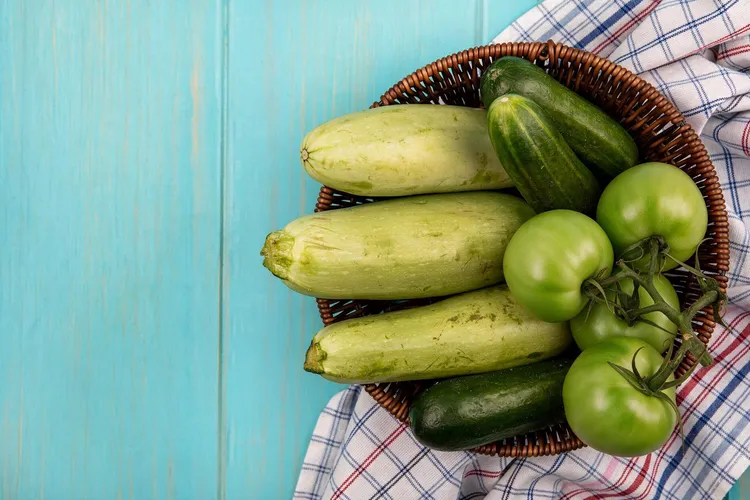
By the time a garden hits its stride, most home cooks have the opposite problem from spring: too much of one vegetable, all at once, with a two-week window before it goes soft or bolts. Quick pickling - also called refrigerator pickling - solves that without the equipment, time, or food-safety learning curve that canning demands. No water bath, no sterilized jars, no shelf-stable seal. Just a jar, a brine, and the fridge.
Why Quick Pickling Beats Canning for a Home Garden
Canning is built for a harvest you want to store for a year. Most garden surplus doesn't need that - it needs to disappear over the next two or three weeks, which is roughly how long a quick pickle stays at its best in the fridge anyway. Skipping the canning process also means skipping its biggest barrier to entry: precise acidity ratios and processing times that matter for shelf-stable food safety. A quick pickle is eaten cold, stored cold, and never sealed for the pantry, so the margin for error is much wider.
The tradeoff is texture and depth. Canned pickles soften during processing and develop flavor over months. Quick pickles stay crisp and taste bright and a little sharp rather than deeply cured - closer to a fresh condiment than a shelf staple. For a garden that's producing faster than you can cook, that's the right tradeoff.
The One Brine Ratio You Need to Know
Almost every quick pickle in this guide starts from the same base: equal parts vinegar and water, with 1 tablespoon of salt and 1 tablespoon of sugar per cup of each liquid. That's it. From there, the vegetable and the add-ins (dill, garlic, chili flakes, mustard seed, peppercorns) are what change.
- Standard brine: 1 cup vinegar, 1 cup water, 1 tbsp kosher salt, 1 tbsp sugar. Heat just until the salt and sugar dissolve, then cool slightly or pour hot over sturdy vegetables.
- Vinegar choice matters less than people think. White vinegar is sharpest and cheapest. Apple cider vinegar is softer and slightly sweet. Rice vinegar is the mildest, good for delicate vegetables like cucumber or radish.
- Salt matters more. Use kosher or pickling salt - iodized table salt can cloud the brine and dull the flavor.
Scale the ratio up for a bigger jar; it holds regardless of volume as long as the vegetables stay fully submerged.
Pickle Timeline: Which Vegetable Pickles Fastest
Not every vegetable needs the same wait. Thin-sliced, high-water vegetables pickle in under an hour; sturdier ones need a full day to take on flavor.
- 30 minutes to 1 hour: thinly sliced cucumbers, red onion
- A few hours: cucumber spears, sliced peppers, sliced zucchini
- Overnight to 24 hours: green tomatoes, thicker-cut vegetables, anything you want fully pickled through rather than just surface-brined
If you're impatient, a hot brine poured directly over the vegetables speeds things up noticeably compared to a room-temperature one.
A Week of Clearing Out the Garden
Here's what pickling an average midsummer surplus actually looks like over a week, one vegetable at a time.
Monday - cucumbers: Start with the classic. Quick-pickled cucumbers are ready in as little as an hour and use up the fastest-producing plant in most gardens first.
Tuesday - zucchini: If squash plants are outpacing dinner, quick-pickled zucchini and summer squash turns the overflow into a crunchy sandwich topping instead of compost.
Wednesday - peppers: Whether it's a glut of banana peppers or the first jalapeños, quick-pickled peppers keep for weeks and go on almost anything savory.
Thursday - onions: Not garden-dependent, but a jar of quick-pickled red onions is the one you'll reach for daily once it's made - tacos, salads, sandwiches, grain bowls.
Friday - green tomatoes: Toward the end of the season, when tomatoes won't ripen fast enough before the first frost, quick-pickled green tomatoes put the whole plant's last output to use instead of letting it go to waste on the vine.
Tips for Success
Keep vegetables fully submerged - anything poking above the brine line will discolor and soften faster than the rest of the jar. A small weight, or just packing the jar tightly, solves this.
Don't reuse a brine more than once or twice, and never for a shelf-stable batch - reused brine is diluted and food-safety guidance on it is different from a fresh one. For what a used brine is still good for, see how long quick pickles actually last before you should toss the jar.
If you're also fermenting rather than vinegar-pickling, that's a different process with different timing and safety considerations - sauerkraut is the easiest entry point if you want to try it alongside quick pickling.
Latest