Quick Pickles vs Fermented Pickles: What's the Difference
The real differences between quick vinegar pickles, traditional fermented pickles, and canned pickles, and which method this guide actually covers.
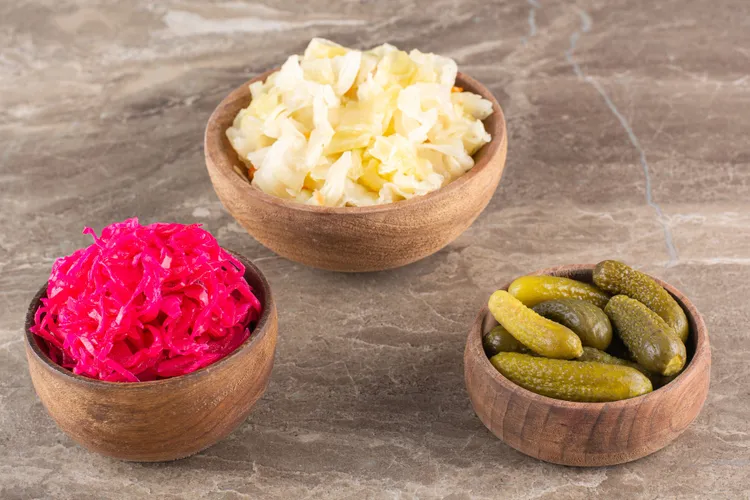
"Pickling" covers a few genuinely different processes that often get lumped together, and understanding the distinctions makes it much easier to know what you're actually making and what to expect from it.
Quick Pickles (Refrigerator Pickles)
This is the method covered throughout this guide: vegetables (or fruit, or eggs) covered in a vinegar-based brine and stored in the refrigerator. There's no fermentation involved - the vinegar itself provides the tang and preservation, and the process is ready to eat within a few hours to a day, though flavor continues to develop over the following days. Quick pickles must stay refrigerated and are meant to be eaten within a few weeks, not stored at room temperature. See our brine ratio guide for the core technique.
Fermented Pickles
Fermented pickles - the traditional method behind old-fashioned barrel pickles, real sauerkraut, and kimchi - rely on beneficial bacteria (typically lactobacillus) rather than added vinegar to create the sour, tangy flavor. Vegetables are submerged in a saltwater brine and left at room temperature for days to weeks, during which naturally occurring bacteria convert sugars into lactic acid, which both sours and preserves the vegetables. This is a genuinely different process from quick pickling - it requires careful attention to salt concentration, keeping vegetables fully submerged to prevent mold, and patience, since fermentation takes considerably longer than a quick vinegar brine.
Canned Pickles
Canning is a separate process again, where pickles (either vinegar-brined or fermented) are processed in properly sealed jars, typically through a water bath, to make them genuinely shelf-stable at room temperature for a year or more. Canning has real, specific safety requirements around acidity levels, processing times, and proper sealing that go beyond the scope of quick pickling covered in this guide. If your goal is a shelf-stable pantry pickle rather than a refrigerator pickle, you'll want a canning-specific, tested recipe and process rather than adapting a quick-pickle brine to shelf storage.
Side-by-Side Comparison
- Quick pickles: Vinegar-based, no fermentation, ready in hours to a day, must be refrigerated, lasts a few weeks.
- Fermented pickles: Salt-based, relies on natural bacteria, takes days to weeks, distinct sour flavor, generally still needs refrigeration once fermentation is complete to slow the process.
- Canned pickles: Either style, processed and sealed for room-temperature shelf stability, requires specific safety procedures not covered in this guide.
Which Method This Guide Covers
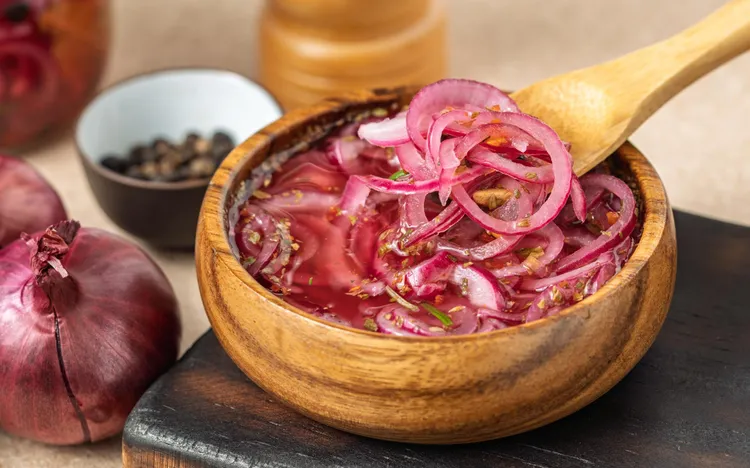
Every recipe in this guide - from pickled red onions to pickled eggs - is a quick, refrigerator pickle rather than a fermented or canned one. This is the simplest, fastest, and most forgiving method for a home cook who wants a bright, tangy condiment without a multi-day process or specialized canning equipment.
Why the Distinction Matters
Beyond just terminology, the distinction matters for safety and expectations. Treating a quick pickle brine as though it makes food shelf-stable, or storing a quick pickle at room temperature the way you might store a store-bought, commercially processed jar, isn't safe. Understanding which method you're using tells you how to store the result and how long it will actually last - see our storage guide for the specifics on quick pickles.
For the full range of quick pickle recipes covered in this guide, see the complete pickling guide.
Latest