Rice Vinegar vs. Rice Wine Vinegar: What's the Difference and Does It Matter?
Rice vinegar and rice wine vinegar are often listed as the same thing, but the terminology is confusing and sometimes they're genuinely different products. Here's how to read a label, what each one tastes like, and when the distinction matters in cooking.
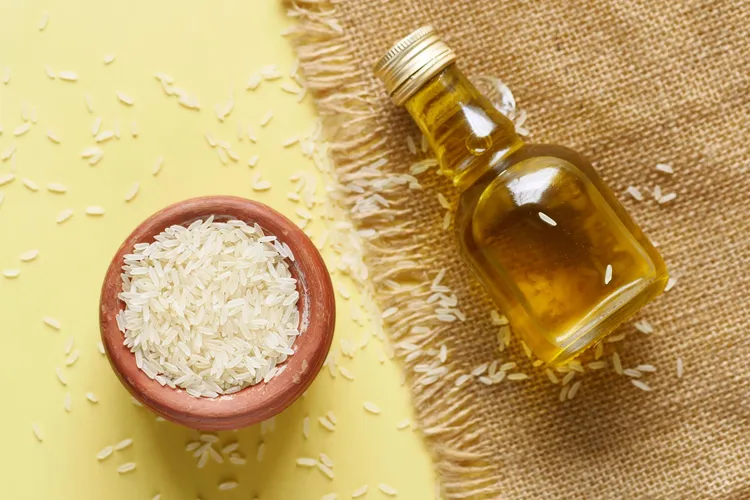
The confusion starts at the name. In American grocery stores, "rice vinegar" and "rice wine vinegar" are usually the same product - vinegar made from fermented rice wine, labeled differently by different brands. In specialist Asian stores, the distinction sometimes becomes real, and what's labeled rice wine vinegar may actually be a product with different acidity and sugar content, or rice wine (mirin or sake) with a small amount of vinegar added to create a sour note. The safest approach: always check the acidity on the label. Culinary rice vinegar should be 4% to 5% acetic acid. Anything labeled under 4% or with sugar as a primary ingredient is a seasoned or sweetened product rather than a straight vinegar.
What Rice Vinegar Tastes Like
Mild, clean, slightly sweet, with almost none of the sharpness of Western wine vinegars. The acidity is low enough that it can be used in larger quantities without puckering a dish - which is exactly why Japanese sushi rice requires a relatively generous pour to season it effectively. The flavor is delicate enough that it disappears into dressings and marinades while still doing the acidifying work. That mildness is both its strength and its limitation: it won't add vinegar flavor to a dish, but it won't fight the other flavors either.
Compared to other common vinegars: rice vinegar is milder than ACV, significantly milder than white wine vinegar, and doesn't have the fruity sweetness of ACV or the grain character of malt vinegar. It's the most neutral of all the flavorful vinegars - subtle enough to use in Asian cooking without disrupting the balance of soy, sesame, and ginger.
Unseasoned vs. Seasoned: The Important Distinction
Unseasoned rice vinegar is the pantry staple. It's just vinegar - nothing added. Seasoned rice vinegar has sugar and salt already incorporated (typically around 4g of sugar and 700mg of sodium per tablespoon). It's sold as a convenient shortcut for seasoning sushi rice directly from the bottle. The problem is that once it has salt and sugar built in, it can't be used freely in other applications without those additions affecting the dish. Use unseasoned as your default and add sugar and salt separately when needed.
Varieties Worth Knowing
- Japanese rice vinegar (Komezu): The mildest and sweetest variety. The default for sushi, sunomono salads, and most Japanese-style dressings and dipping sauces. Brands like Marukan and Mizkan are widely available and reliable.
- Chinese rice vinegar (white): Slightly sharper and less sweet than Japanese. Good for stir-fries, Chinese-style dipping sauces, and hot and sour soup. The additional sharpness is useful when you need the acid to cut through richer flavors.
- Chinese rice vinegar (red): Made with red yeast rice fermentation, giving it a slightly earthy, funkier quality. Used as a condiment alongside dim sum, particularly with seafood.
- Korean rice vinegar: Similar in mildness to Japanese. Used in bibimbap sauces, Korean-style quick pickles (muchim), and grain bowl dressings.
Note that Chinese black vinegar (Chinkiang) is made from glutinous rice and other grains but is a completely different product with a deep, smoky, savory flavor profile - covered in detail in our Chinese black vinegar guide.
In the Kitchen
Sushi Rice
The standard seasoning ratio: 3 tbsp unseasoned rice vinegar, 2 tbsp sugar, 1 tsp salt per 300g dry rice (before cooking). Gently warm the vinegar to dissolve the sugar and salt - don't boil it. Fold into the just-cooked rice while fanning to cool quickly. The acid inhibits bacterial growth, gives the rice a slight sheen, and creates the characteristic slightly sweet-sour flavor. If using seasoned rice vinegar, use 3.5 tbsp directly without adding sugar and salt, then taste and adjust.
Asian-Style Dressings
Rice vinegar is the default acid in most Asian dressings because its mildness lets sesame, soy, and ginger flavors come through clearly. A standard all-purpose dressing: 2 tbsp unseasoned rice vinegar, 1 tbsp sesame oil, 1 tbsp soy sauce, 1 tsp sugar, 1 tsp grated fresh ginger. Scale up and store refrigerated for up to 2 weeks. Works on noodle salads, grain bowls, shredded cabbage, cucumber salads, and steamed vegetables. For a quick application, try it on a spicy Napa cabbage slaw in place of standard vinegar - the milder acid gives the slaw a softer, more Asian-inflected character.
Quick Pickles
Rice vinegar makes the most approachable quick pickles - the low acidity and mild sweetness produce pickled vegetables that are bright and clean without being aggressively sharp. Basic ratio: 1 part rice vinegar, 1 part water, 1 tsp salt, 2 tsp sugar per 250g of vegetables. Add grated ginger, sliced chili, or sesame seeds depending on the vegetable. Ready in 30 minutes, better after 24 hours. Note: for anything going beyond 2 to 3 days, consider boosting acidity by mixing in a small amount of white wine vinegar to ensure safe preservation levels.
Marinades for Fish and Delicate Proteins
The gentleness of rice vinegar makes it the right acid for proteins that would be damaged by sharper vinegars. A marinade of rice vinegar, fresh ginger, garlic, and light soy sauce for 15 to 30 minutes gives fish and chicken breasts enough flavor penetration without the acid toughening the surface. Fish fillets: 15 to 20 minutes maximum. Chicken breast: up to 2 hours. The lemon-butter baked salmon with asparagus uses citrus as the acid - swap in 2 tbsp rice vinegar for a less bright, more savory character. Full marinade timing guide at how vinegar tenderizes meat.
Hot and Sour Soup
White Chinese rice vinegar is the traditional acid in hot and sour soup. The mild acidity lets you add a meaningful amount (2 to 3 tbsp per 800ml broth) without the soup tasting like vinegar. The sour is meant to be a persistent background note, not a dominant flavor. Add it in the last 5 minutes of cooking to preserve the bright acid character - long cooking dulls it.
Stir-Fry Finishing
A small splash of rice vinegar (about 1 tbsp) added to a stir-fry in the last 30 seconds brightens the dish without introducing a vinegar flavor. The acid evaporates quickly over high heat but lifts the entire dish before it does. Particularly effective in pork, tofu, and vegetable stir-fries.
Substitutions
When rice vinegar is unavailable: white wine vinegar diluted with water (about 3 parts white wine vinegar to 1 part water) gets reasonably close. Add a pinch of sugar to approximate the slight sweetness. For sushi rice, the result won't be identical but the ratio works structurally. Don't use ACV as a substitute in Japanese-style applications - the fruit character is too present and creates the wrong flavor profile.
Buying and Storage
A 500ml bottle of unseasoned rice vinegar costs $2 to $5. Keeps indefinitely on the shelf. The Marukan and Mizkan brands are both reliable for Japanese-style cooking. For Chinese applications, any bottle labeled "rice vinegar" from an Asian grocery will work. Avoid large supermarket "rice wine vinegar" from generic brands without an acidity statement - quality varies significantly.
For the full context of where rice vinegar fits within the vinegar family, see the vinegar renaissance guide.
Rice Vinegar in Baking and Non-Asian Cooking
Rice vinegar's mild acidity makes it a useful ingredient in baking applications where you want a very subtle tang without the fruit character of ACV. It activates baking soda just as any other vinegar does (1 tsp per 1/2 tsp baking soda) but leaves almost no perceptible flavor in the finished bake. It also works well as a white wine vinegar substitute in delicate Western dressings - when you want something slightly lighter than white wine vinegar, rice vinegar diluted slightly less than usual (at 2.5:1 oil-to-vinegar) produces a very clean, barely-there acid note. The flavor is neutral enough to work in French-inflected applications without introducing any Asian character.
Troubleshooting Rice Vinegar Dishes
The most common problem with rice vinegar is using too little. Because the acidity is low (4%), cooks used to stronger vinegars often under-acidify. If a rice vinegar dressing tastes flat, the first fix is more vinegar, not more salt. A flat sushi rice seasoning usually means the ratio was off (too little vinegar relative to rice) or the sugar wasn't fully dissolved before folding in. Reheat the vinegar mixture briefly if the sugar isn't dissolving in cold vinegar. The second common mistake is using seasoned rice vinegar in a recipe that calls for plain - seasoned adds 4g of sugar and 700mg of sodium per tablespoon, which immediately imbalances any recipe with other seasoning already added.
Making Seasoned Rice Vinegar at Home
If you only have unseasoned rice vinegar and need seasoned for a specific application (primarily sushi rice), you can make it: combine 100ml unseasoned rice vinegar with 3 tbsp sugar and 1 tsp salt. Stir gently over very low heat until dissolved. Cool before using. This produces a standard seasoned rice vinegar. Adjust the sugar and salt ratio to taste - different brands vary in their sweetness level, and homemade lets you control the balance exactly. The homemade version is also significantly cheaper than commercial seasoned rice vinegar and avoids the preservatives some commercial versions include.
Pairing Rice Vinegar With Western Ingredients
Rice vinegar's neutrality makes it a useful bridge ingredient in fusion applications. A simple example: a Japanese-inspired cucumber-dill pickle using rice vinegar instead of white wine vinegar produces something lighter and less sharp than the traditional version, with the dill flavor coming through more cleanly. Rice vinegar also works well in cold grain salads where you want acid without weight - a farro or quinoa salad with rice vinegar dressing, cucumber, and fresh herbs has a cleaner, lighter character than the same salad with white wine vinegar. The key is scaling up the amount slightly to compensate for the lower acidity, and pairing with an oil (sesame, neutral) that doesn't compete with the delicate acid.
Rice Vinegar With Eggs
A small amount of rice vinegar in an egg-based dish creates an interesting flavor lift without any detectable vinegar note. In tamagoyaki (Japanese rolled omelette), a teaspoon of rice vinegar combined with the standard mirin and soy seasoning gives the eggs a subtle complexity and slightly more tender texture. In deviled eggs, replacing half the standard vinegar with rice vinegar makes the filling noticeably lighter and less sharp - the difference is apparent in a side-by-side comparison. In mayonnaise, 1 tsp of rice vinegar in place of part of the lemon juice gives a milder, less citrus-forward result that works better with Asian-inflected applications like a slaw dressing or a dipping sauce. The low acidity means it doesn't interfere with egg proteins the way sharper vinegars can in delicate preparations.
Understanding Acidity Across Vinegar Types in Cooking Math
If you're converting between vinegar types in a recipe that specifies one type and you have another, the math is straightforward. Rice vinegar at 4% acidity compared to white wine vinegar at 6%: to get the same acid strength, use 1.5 times as much rice vinegar. So if a recipe calls for 2 tbsp white wine vinegar, use 3 tbsp rice vinegar for the same acid level. In practice, you rarely want the exact same acid level - you also want the flavor character. But for recipes where the acid is functional (pickling brine acidity, baking leavening activation) rather than purely flavor-driven, adjusting by acidity percentage keeps the result consistent when you're substituting one vinegar for another.
Rice Vinegar in Traditional Asian Preparations Beyond Japanese
The Western understanding of rice vinegar tends to stop at Japanese cuisine and Chinese stir-fries. The actual range is broader. In Vietnamese cooking, rice vinegar is used in the sweet-sour dipping sauce (nuoc cham variant) that appears alongside spring rolls, grilled meats, and rice noodle dishes. In Thai cooking, a dish of white vinegar with sliced chilis is a standard condiment on the table at noodle restaurants. In Filipino cuisine, vinegar is a primary flavoring element - the cooking method called adobo uses vinegar (often palm vinegar or cane vinegar, but rice vinegar works) as both acid and preservative in braised meats. In Korean cooking, rice vinegar appears in the cold noodle dishes (mul naengmyeon) and in many of the banchan preparations alongside sugar and gochujang. The mild sweetness and low acidity of rice vinegar makes it the right acid for any cuisine where the flavor needs to be present but not dominant.
Pairing Rice Vinegar With Fats
Rice vinegar's gentleness makes it important to choose the right fat to pair with it. With neutral oils (sunflower, grapeseed), the rice vinegar's mild character is fully exposed - the dressing tastes clean but can seem thin. With sesame oil (the natural pairing), the nutty depth of the sesame bridges the gentleness of the vinegar and produces a complete, satisfying dressing without any added ingredients. With olive oil, the result is slightly awkward - the olive oil's bitterness and fruitiness doesn't coexist naturally with the delicate sweetness of rice vinegar. If you're making a rice vinegar dressing and want to use olive oil, opt for a very light, mild-flavored variety (not a robust Tuscan extra virgin) and add a small amount of toasted sesame oil alongside it.
Latest