Sage and Butternut Squash Recipes for Fall
Sage and squash are a near-automatic pairing in fall cooking. Several recipes that combine them.
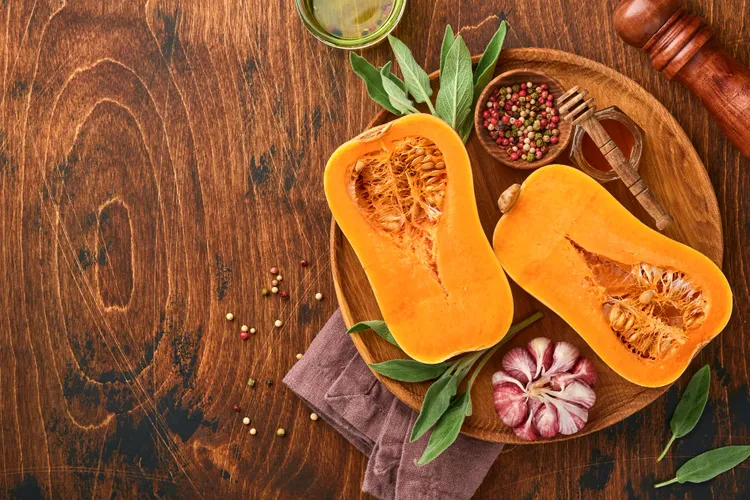
Sage and winter squash show up together across a huge range of fall dishes, and for good reason: squash's sweetness needs exactly the kind of bold, slightly bitter counterpoint sage provides.
Simple Sage Roasted Butternut Squash
Toss cubed butternut squash with olive oil, salt, pepper, and 1 to 2 tablespoons of finely chopped fresh sage. Roast at 425°F (220°C) for 25 to 30 minutes, tossing halfway, until tender and caramelized at the edges. This is the simplest application and works as a side dish for almost any fall meal.
Butternut Squash and Sage Soup
Roast or simmer cubed squash with onion and garlic until soft, then blend with vegetable or chicken stock until smooth. Stir in 1 tablespoon finely chopped fresh sage near the end of cooking, and top individual bowls with a few crispy fried sage leaves (see Crispy Fried Sage Leaves) for both flavor and presentation.
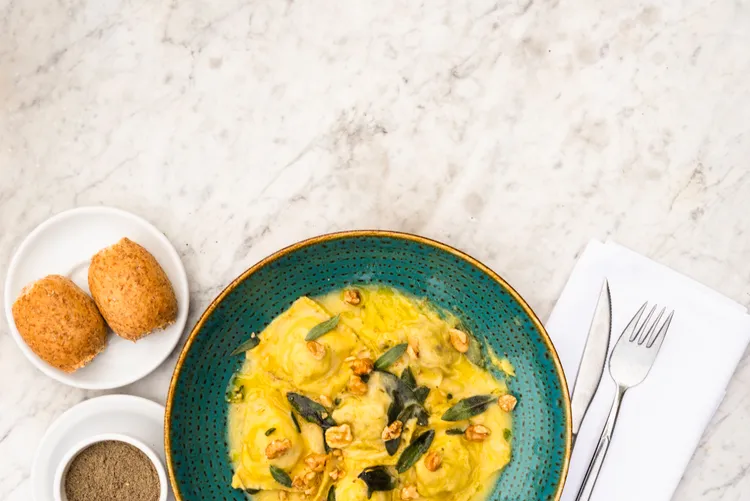
Squash and Sage Ravioli Filling
Combine roasted, mashed butternut squash with ricotta, a small amount of grated Parmesan, a pinch of nutmeg, and 1 tablespoon finely chopped fresh sage. Use as a filling for homemade or store-bought fresh pasta sheets, or simply toss the mixture with any pasta shape as a quick sauce. Finish with the brown butter sage sauce from Brown Butter Sage Sauce for Pasta and Squash for the most classic version of this dish.
Butternut Squash and Sage Risotto
Stir cubed, roasted squash into a standard risotto during the last few minutes of cooking, and add 1 tablespoon finely chopped fresh sage along with the squash. The starchy creaminess of risotto is a good match for squash's texture, and sage's boldness keeps the dish from tasting flat.
Stuffed Acorn Squash With Sage and Sausage
Halve and roast acorn squash until just tender, then fill the cavity with a mixture of cooked sausage, breadcrumbs, and 1 to 2 teaspoons finely chopped fresh sage. Return to the oven for another 10 to 15 minutes until the filling is heated through and slightly crisp on top. This works well as a complete, fall-forward main dish.
Common Mistakes
- Adding sage too early to a long-roasted dish. Sage generally holds up well to heat, but adding it partway through rather than at the very start of a long roast preserves more of its flavor.
- Overdoing the sage relative to the squash. Squash is mild and sweet, but sage's boldness means it's still easy to overpower the dish; start with less than feels intuitive and adjust to taste.
- Skipping the caramelization on roasted squash. Squash that isn't given enough room or heat to caramelize at the edges tastes flatter and doesn't stand up as well to sage's boldness.
Frequently Asked Questions
Can I use dried sage in these recipes?
Yes, at about a third of the fresh quantity, in any of the cooked applications above; fresh sage is preferable for the garnish elements like crispy leaves.
What other squash varieties work well with sage?
Acorn, delicata, and kabocha squash all pair well with sage using the same general approach as butternut.
Can these recipes be made ahead for a holiday meal?
The soup and the ravioli filling both hold up well made a day ahead and reheated; the roasted squash and risotto are best made closer to serving time for the best texture.
Choosing Squash for These Recipes
Butternut is the most widely available and easiest to work with due to its smooth, easy-to-peel skin and consistent flesh texture, but any dense winter squash works across these recipes with only minor adjustments. Denser, less watery squash varieties generally caramelize better when roasted and hold their shape better in a stuffed preparation, both relevant qualities across the recipes above.
Prepping Squash Efficiently
Peeling and cubing a whole butternut squash is the most time-consuming part of several of these recipes; doing this step for a larger quantity at once, enough for two or three of the recipes above, and storing the extra cubed squash in the fridge for a few days is a practical way to save repeated prep time across a week of fall cooking.
Common Mistakes
- Adding sage too early to a long-roasted dish. Sage generally holds up well to heat, but adding it partway through rather than at the very start of a long roast preserves more of its flavor.
- Overdoing the sage relative to the squash. Squash is mild and sweet, but sage's boldness means it's still easy to overpower the dish; start with less than feels intuitive and adjust to taste.
- Skipping the caramelization on roasted squash. Squash that isn't given enough room or heat to caramelize at the edges tastes flatter and doesn't stand up as well to sage's boldness.
- Cutting squash pieces unevenly. Inconsistent cube sizes lead to some pieces overcooking while others stay underdone; aim for uniform pieces for even roasting.
Frequently Asked Questions
Can I use dried sage in these recipes?
Yes, at about a third of the fresh quantity, in any of the cooked applications above; fresh sage is preferable for the garnish elements like crispy leaves.
What other squash varieties work well with sage?
Acorn, delicata, and kabocha squash all pair well with sage using the same general approach as butternut.
Can these recipes be made ahead for a holiday meal?
The soup and the ravioli filling both hold up well made a day ahead and reheated; the roasted squash and risotto are best made closer to serving time for the best texture.
Can I use frozen, pre-cubed squash instead of fresh?
Yes, frozen squash works reasonably well in the soup and risotto applications, where texture matters less than in the roasted or stuffed versions, and it saves considerable prep time.
Tips for Success
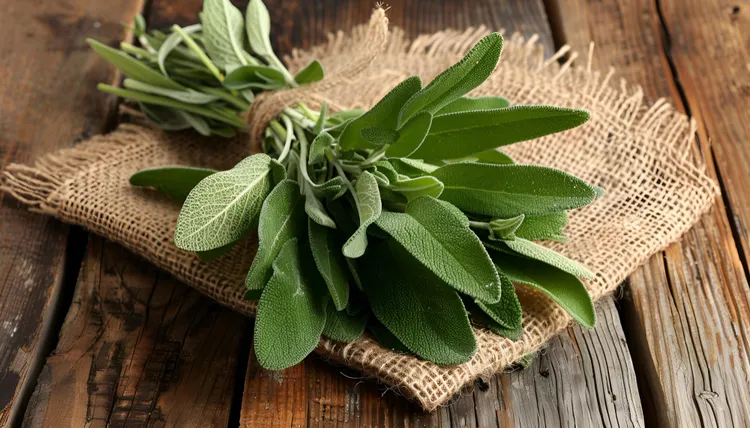
Buy a bit more sage than a single recipe calls for if squash season has you cooking several of these dishes across a week, since sage keeps considerably longer than more delicate herbs and a slightly larger bunch is a reasonable thing to have on hand through fall, especially when a few of these recipes are already lined up in a weekly meal plan.
Latest