Sage and Pork Recipes: Sausage, Chops, and Roasts
Sage and pork are a classic pairing across several culinary traditions. Recipes for sausage, chops, and roasts.
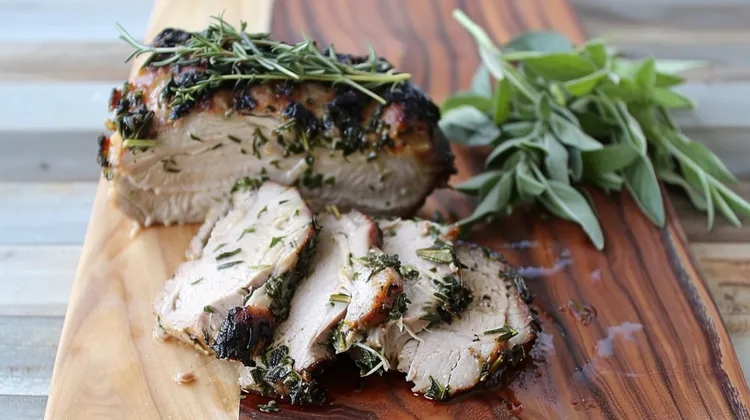
Sage and pork show up together across a huge range of culinary traditions, from Italian sausage to English roast pork, and the pairing works because sage's boldness stands up to pork's richness rather than getting lost in it.
Homemade Sage Sausage Seasoning
Combine 1 tablespoon finely chopped fresh sage (or 1 teaspoon dried) with 1 teaspoon salt, 1/2 teaspoon black pepper, 1/4 teaspoon red pepper flakes, a small pinch of nutmeg, and a small pinch of brown sugar. Mix this into 1 pound of ground pork, working it in evenly, then let the mixture rest in the fridge for at least 30 minutes before cooking to let the flavors meld. Form into patties or use loose in a skillet as a breakfast sausage substitute.
Pan-Seared Sage Pork Chops
Season bone-in pork chops with salt and pepper, then sear in a hot skillet with a little oil for 3 to 4 minutes per side until well browned. In the last minute of cooking, add a tablespoon of butter and a few whole sage leaves to the pan, basting the chops with the melted, sage-infused butter. This borrows directly from the brown butter technique in Brown Butter Sage Sauce for Pasta and Squash, applied to a protein instead of pasta.
Sage-Rubbed Pork Roast
Combine 2 tablespoons finely chopped fresh sage with 2 cloves minced garlic, salt, pepper, and a drizzle of olive oil to form a paste. Rub this all over a pork loin or shoulder roast, ideally a few hours ahead or the night before, and refrigerate uncovered to let the surface dry slightly, which helps with browning. Roast according to the cut's standard time and temperature guidelines, generally 325°F (165°C) until the internal temperature reaches 145°F (63°C) for loin or higher for a shoulder cut meant to be more tender and pulled.
Sage and Apple Pork Skillet
Sear pork chops or a thinly sliced pork tenderloin, then set aside. In the same pan, saute sliced apples and onion until softened, add a splash of stock or apple cider to deglaze, and stir in 1 tablespoon finely chopped fresh sage. Return the pork to the pan to finish cooking through, and serve the apple-sage mixture spooned over top. The natural sweetness of the apples plays well against sage's boldness, a similar dynamic to the squash pairing covered in Sage and Butternut Squash Recipes for Fall.
Common Mistakes
- Under-resting the sausage seasoning mixture. Giving the seasoned ground pork time in the fridge before cooking noticeably improves how evenly the flavors distribute compared to cooking it immediately.
- Overcooking pork chops. Pork is safe at a lower internal temperature than many home cooks assume, 145°F (63°C) with a brief rest; overcooking leads to dry, tough meat regardless of how good the sage seasoning is.
- Using too much sage in the rub. A thick coating of sage on a roast can taste overwhelming once concentrated by roasting; a thinner, even layer works better than a thick paste.
Frequently Asked Questions
Can I use dried sage in these recipes?
Yes, particularly in the sausage seasoning and rub, at about a third of the fresh quantity. Fresh sage is preferable for the pan-seared chop application, where whole leaves are part of the technique.
What sides pair well with these dishes?
Roasted squash, a simple white bean side, or a green salad all complement sage and pork's richness well without competing with the flavor profile.
Can I freeze the seasoned sausage mixture?
Yes, formed into patties and frozen individually on a tray before transferring to a bag, the seasoned mixture keeps well for a couple of months.
Why Sage and Pork Work So Well Together
Pork's richness, especially fattier cuts, benefits from an herb bold enough to cut through it rather than get lost. Sage's slightly bitter, resinous character does this more effectively than milder herbs, which is likely why the pairing shows up so consistently across Italian, English, and American culinary traditions independently rather than as a single borrowed idea.
Adjusting for Different Pork Cuts
Leaner cuts, like tenderloin, benefit from a shorter contact time with a sage rub to avoid the surface flavor overwhelming a smaller amount of meat, and cook faster overall, so timing needs adjusting from the roast guidelines above. Fattier cuts, like shoulder, can handle a more generous rub and a longer marinating or resting period before cooking, since there's more meat and fat to balance the seasoning.
Common Mistakes
- Under-resting the sausage seasoning mixture. Giving the seasoned ground pork time in the fridge before cooking noticeably improves how evenly the flavors distribute compared to cooking it immediately.
- Overcooking pork chops. Pork is safe at a lower internal temperature than many home cooks assume, 145°F (63°C) with a brief rest; overcooking leads to dry, tough meat regardless of how good the sage seasoning is.
- Using too much sage in the rub. A thick coating of sage on a roast can taste overwhelming once concentrated by roasting; a thinner, even layer works better than a thick paste.
- Not letting seasoned meat come to room temperature before cooking. Cold meat straight from the fridge cooks unevenly; letting it sit out for 20 to 30 minutes before cooking helps it cook more consistently.
Frequently Asked Questions
Can I use dried sage in these recipes?
Yes, particularly in the sausage seasoning and rub, at about a third of the fresh quantity. Fresh sage is preferable for the pan-seared chop application, where whole leaves are part of the technique.
What sides pair well with these dishes?
Roasted squash, a simple white bean side, or a green salad all complement sage and pork's richness well without competing with the flavor profile.
Can I freeze the seasoned sausage mixture?
Yes, formed into patties and frozen individually on a tray before transferring to a bag, the seasoned mixture keeps well for a couple of months.
Does this pairing work with other meats besides pork?
Sage's boldness pairs reasonably well with other rich meats too, particularly lamb and duck, using a similar rub or compound butter approach as described for pork and poultry elsewhere in this guide.
Tips for Success
Make a double batch of the sausage seasoning mix and freeze half in patty form for a quick future breakfast; planning this into a batch-cooking session, and noting it in a weekly meal plan, is an efficient use of a single cooking session.
Latest