The Use-It-Up Week: How to Cook Through Your Fridge Before a Big Shop
Cooking through what you have before buying more is one of the most effective ways to cut food waste and grocery spending. This guide covers the logic, the order of operations, and how to combine ingredients that don't obviously go together.
The week before a big shop is usually when the most interesting cooking happens. Not because the ingredients are special - they're often the odds and ends, the half-used packets, the vegetables that have been waiting for a plan - but because constraints force creativity. Cooking with a specific target (use everything, waste nothing) produces better meals than cooking with unlimited choice more often than people expect.
The average household could eat well for 5-7 days from what's already in the fridge, freezer, and pantry without buying anything except possibly fresh bread and milk. Most people don't realise this because they've never actually tried it systematically.
Start with the Fridge Audit
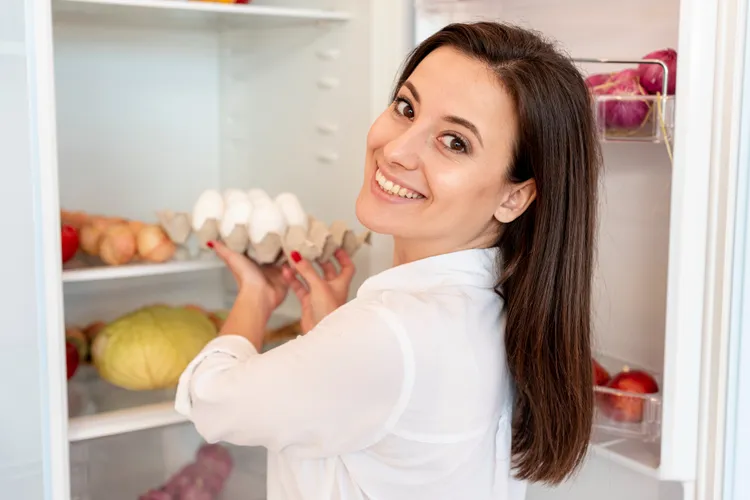
Before you can plan anything, you need to know what you have. Pull everything out of the fridge, check what's closest to going off, and sort it into two groups: things that need eating in the next 1-2 days, and things that can wait until later in the week.
The first group becomes the priority: build at least one meal directly around those ingredients today or tomorrow. The second group gives you flexibility across the rest of the week.
Do the same for the freezer: do a 2-minute check and identify one thing that should come out this week. And check the pantry for any open packages of grains, pasta, or legumes that need using up before they're forgotten.
The Order of Operations
When cooking from what you have, a few rules of thumb about what to make first:
1. Use proteins first. Meat, fish, and eggs have shorter windows than most things. If you have raw chicken, plan a meal with it today or tomorrow. Cooked proteins (leftover roast chicken, cooked mince) need to be used within 2-3 days.
2. Build soups and stews when things are on the edge. A soup made with vegetables that are slightly past their prime is often indistinguishable from one made with fresh vegetables - the cooking process levels the playing field. A leek, potato, and lentil soup is one of the most useful vehicles for clearing the fridge, as almost any vegetable can be added without wrong-footing the flavour. The same is true of the basic vegetable soup - a flexible base that accommodates almost any combination.
3. Frittatas and egg dishes are the cleanup option. Almost any combination of cooked vegetables, leftover protein, and cheese works in a frittata. It's the best single vehicle for using small quantities of multiple things simultaneously. Four to six eggs, whatever vegetables need using, whatever cheese is in the fridge, baked at 180°C for 15-20 minutes.
4. Grains are a bridge. A pot of rice, farro, or barley cooked in stock ties together disparate ingredients into a coherent meal. A grain bowl with whatever roasted vegetables and protein you have, plus a quick dressing, is almost always better than it sounds when you're improvising from remnants.
Combinations That Work (Even When They Shouldn't)
Some ingredient combinations that look incompatible actually cook together well:
- Root vegetables + leafy greens + a grain - carrots, cabbage or kale, and barley or rice form the base of many Eastern European and Middle Eastern dishes. The grain softens the rough edges.
- Any protein + any allium + any acid - leftover meat with caramelised onion and a splash of vinegar or lemon juice is a complete flavour profile regardless of what the meat is.
- Legumes + any vegetable + cumin or smoked paprika - beans and chickpeas are extremely accommodating. The spice provides direction when the vegetables are miscellaneous.
- Egg dishes accept almost anything - frittatas, shakshuka, scrambled eggs with additions. If in doubt, make eggs.
What Doesn't Combine Well
A few combinations to avoid:
- Multiple strongly flavoured fish in the same dish - salmon and white fish don't typically share a plate well
- Multiple acid components (vinegar, citrus, wine, yogurt) in the same sauce without a rich base to balance them
- Starchy vegetables (potato, squash) combined with heavy grains in the same dish - the result is carb-heavy without much textural interest
The Pantry Fallback
When the fridge is genuinely sparse, a well-stocked pantry generates complete meals: pasta with tinned tomatoes, olive oil, and whatever hard cheese remains; rice with tinned beans, canned tomatoes, and smoked paprika; lentils cooked in stock with onion and cumin. These aren't compromise meals - they're cheap, fast, and good. The Leftover Hierarchy guide covers how to triage what's in the fridge before you reach this stage. And the full system for building a zero-waste kitchen is in the Zero-Waste Cooking Systems guide.
Latest