A 7-Day Mediterranean Meal Plan for Beginners (With Recipes)
A full week of Mediterranean eating - breakfast, lunch and dinner for seven days - with shopping list, batch-cooking notes and recipes woven throughout. Designed for beginners who want a clear structure to follow before the eating pattern becomes instinctive.
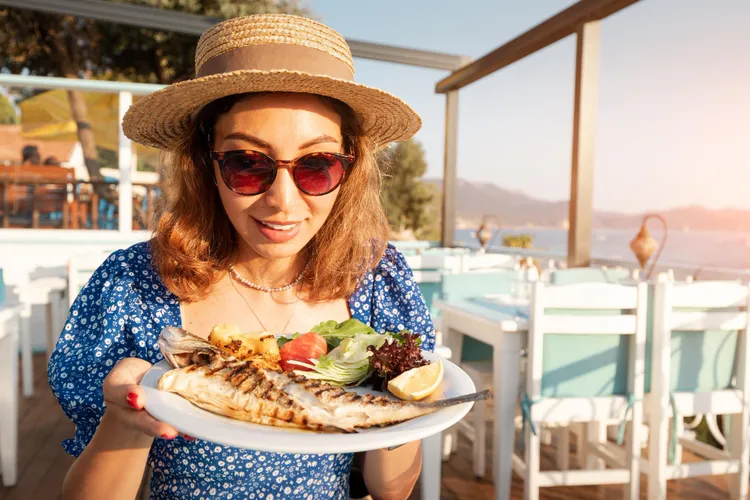
A meal plan is a starting point, not a permanent constraint. The goal is to give you enough repetitions of the Mediterranean eating pattern in one week that the logic becomes intuitive - you start to understand how the meals are built, what a Mediterranean plate looks like, and how the pantry staples connect everything. After the first week, you will need the plan less and less.
Before You Start: Batch Cooking Notes
Two Sunday prep tasks make the whole week dramatically easier: cook a large pot of lentils or legumes, and roast a large tray of vegetables. Both keep for five days in the fridge. The lentils appear in Monday's soup and Tuesday's lunch; the roasted vegetables appear in Wednesday's dinner and Thursday's lunch. You do roughly one hour of cooking on Sunday and reduce weeknight cooking time by half.
The Shopping List
Produce: 2 lemons, 1 bunch flat-leaf parsley, 1 bunch fresh mint, 1 head of garlic, 4 onions, 2 red peppers, 1 courgette, 1 aubergine, 1 fennel bulb, 1 bag baby spinach, 4 ripe tomatoes, 1 cucumber, 1 bag mixed salad leaves, 1 bag cherry tomatoes, seasonal fruit for snacking and dessert.
Protein: 2 sea bass fillets or 1 whole sea bass, 4 eggs, 4 chicken thighs (bone-in, skin-on), 1 x 160g tin tuna in olive oil, 1 x 120g tin sardines in olive oil.
Dairy: 1 tub full-fat Greek yoghurt, 1 block feta cheese, small block parmesan.
Pantry (check stock, buy what is missing): extra virgin olive oil, 2 x 400g cans chickpeas, 1 x 400g can cannellini beans, 1 x 400g can chopped tomatoes, 200g dried red lentils, dried pasta (spaghetti or linguine), farro or brown rice, wholegrain bread or sourdough, tahini, capers, olives, anchovies, dried oregano, dried cumin, smoked paprika, red wine vinegar.
Before you start, it is worth knowing your actual calorie target - use Consillar's macro meal planner to enter your goals and see what a day of eating to your numbers looks like.
Day 1 - Monday
Breakfast: Full-fat Greek yoghurt with a drizzle of honey, a handful of walnuts and fresh seasonal fruit.
Lunch: Red lentil soup with lemon and cumin (batch-cooked on Sunday - bring a portion to work in a thermos or reheat at home). Sourdough bread alongside.
Quick lentil soup method: Saute 1 onion and 3 garlic cloves in olive oil. Add 200g dried red lentils, 1 tsp cumin, 1 tsp smoked paprika, 1 x 400g can tomatoes and 1.2 litres of stock. Simmer 25 minutes until the lentils are completely soft. Blend partially. Finish with lemon juice and a drizzle of olive oil.
Dinner: Baked sea bass with lemon and capers (full recipe in the Mediterranean fish guide) with a simple green salad and bread.
Day 2 - Tuesday
Breakfast: Pan con tomate - two slices of sourdough toasted, rubbed with garlic and ripe tomato, finished with olive oil and flaky salt (full recipe in the Mediterranean breakfast guide).
Lunch: White bean and tuna salad with capers, red onion, lemon and parsley (pantry-based, no cooking - full recipe in the Mediterranean salads guide). Eaten with a few olives and bread.
Dinner: Moroccan-spiced chickpea stew (full recipe in the legumes guide) with flatbread and Greek yoghurt. Make a double batch - this freezes well.
Day 3 - Wednesday
Breakfast: Shakshuka (full recipe in the Mediterranean breakfast guide) with toasted sourdough.
Lunch: Tabbouleh made the correct way - mostly herbs, a small amount of bulgur wheat, lots of lemon (full recipe in the salads guide). Add crumbled feta to make it more substantial.
Dinner: Vegetable-forward chicken tray bake (full recipe in the less meat guide) - aubergine, courgette, peppers, chickpeas and chicken thighs all roasted together. Make enough for Thursday's lunch.
Day 4 - Thursday
Breakfast: Greek yoghurt with honey, walnuts and fruit - same as Monday. In traditional Mediterranean culture, breakfast is the most repetitive meal of the day.
Lunch: Leftover chicken tray bake from Wednesday, eaten at room temperature with a handful of salad leaves and bread.
Dinner: Garlic and olive oil pasta (aglio e olio - full recipe in the olive oil guide) with a simple side salad of leaves, tomatoes and red wine vinaigrette.
Day 5 - Friday
Breakfast: Labneh with olive oil, za'atar and flatbread (no cooking required - full details in the breakfast guide).
Lunch: Salade Nicoise with tinned tuna, green beans, eggs, potatoes and olives (full recipe in the salads guide). A complete and substantial lunch.
Dinner: Prawn saganaki - prawns baked in tomato sauce with feta (full recipe in the fish guide) with bread and a green salad.
Day 6 - Saturday
Breakfast: Italian frittata with courgette and pecorino (full recipe in the breakfast guide). Make the full four-serving frittata - leftovers keep for two days in the fridge and work as a cold lunch.
Lunch: Mezze spread - homemade hummus or shop-bought, marinated olives, roasted peppers, feta, flatbread, raw vegetables. This is a Saturday lunch occasion rather than a weekday refuel. Full recipes in the mezze guide.
Dinner: White beans braised with tomatoes and sage (full recipe in the legumes guide) with crusty bread and a glass of wine if you like.
Day 7 - Sunday
Breakfast: Menemen - Turkish scrambled eggs with peppers and tomatoes (full recipe in the breakfast guide). A more leisurely Sunday breakfast.
Lunch: Fattoush - Lebanese bread salad with toasted flatbread, tomatoes, cucumber, parsley, mint and sumac dressing (full recipe in the salads guide).
Dinner: Tuna pasta with capers, olives and parsley (full recipe in the fish guide). A simple, satisfying end to the week.
Sunday prep for next week: Cook a pot of green lentil soup, roast a tray of vegetables, make a jar of vinaigrette. You are already ahead.
What This Week Teaches You
By the end of this week you will have cooked fish twice, eaten legumes three times, made four different salads substantial enough to be a meal, used olive oil as your primary cooking fat throughout, and eaten red meat zero times. You will also have noticed that none of the meals required unusual ingredients, specialist equipment or significant cooking skill - just a stocked pantry, some fresh produce, and a willingness to follow simple instructions.
The habits that make this sustainable long-term: keeping the pantry stocked (the Mediterranean pantry guide covers what to always have in), batch-cooking on Sundays, and treating legumes as a meal rather than a side dish. For the full framework of how Mediterranean eating is structured, the Mediterranean diet beginner's guide is the place to start.
Latest