Apple Cider Vinegar in Cooking: Beyond the Health Hype
Apple cider vinegar is genuinely useful in the kitchen - not because of gut health claims, but because of how it performs in dressings, braises, slaws, marinades, and baking. Here's what it actually does and when to reach for it.
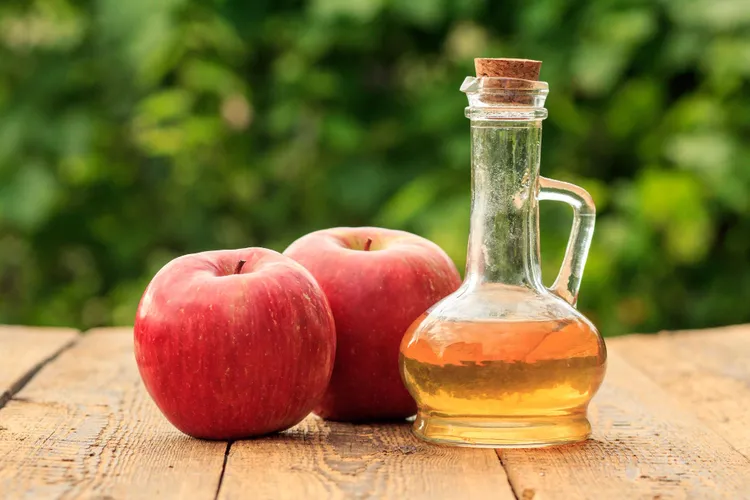
Forget the wellness discourse. Apple cider vinegar earns its place in the kitchen on flavor alone. It's fruity, slightly sweet, and softer than white wine vinegar - which means it goes into places where sharper acids would overpower. At roughly 5% acidity, it hits the right level for pickling, activating baking soda, and cutting through fat in dressings without being abrasive. The health claims are either overstated or poorly supported. The culinary case is much stronger and doesn't require any skepticism at all.
What Makes ACV Different
The fermentation starts with apple juice, which means residual fruit sugars carry through into the finished vinegar. Unfiltered raw ACV still contains the "mother" - strands of cellulose and acetic acid bacteria that cloud the liquid. For cooking, filtered or unfiltered both work fine. The flavor difference is minimal once heat is applied. Where it matters is in raw applications: unfiltered has slightly more depth and a very faint earthiness that works well in vinaigrettes and slaws.
Acidity is typically 5%, occasionally up to 6%. This matters when pickling - 5% is the minimum safe threshold for quick refrigerator pickles. It also matters in marinades, where the acidity level determines how quickly and aggressively the acid acts on protein surfaces.
ACV is milder and less tannic than wine vinegars, fruitier than rice vinegar, and has none of the malt character of malt vinegar. It occupies a middle ground that makes it adaptable across cooking styles - Western, some Asian applications, and baking where vinegar serves a functional rather than flavor role.
In Dressings and Slaws
ACV makes one of the most forgiving vinaigrettes. The fruit notes work with almost any oil - olive, walnut, avocado - and it pairs naturally with mustard, honey, and fresh herbs. The standard ratio is 3 parts oil to 1 part ACV, but because ACV is milder than red wine vinegar, you can often go 2.5:1 and get more acid presence without harshness. A honey-ACV-Dijon vinaigrette on arugula with sliced apple, candied walnut, and aged cheddar is one of the best simple salads there is - the ACV bridges and sharpens the apple flavor in the fruit.
In slaws, ACV outperforms white wine vinegar because its softness lets the vegetable flavors stay present rather than being flattened by sharp acid. Try it in a spicy Napa cabbage slaw - the mild acid brightens the cabbage without harshness. The same principle works for shredded red cabbage, fennel slaw, and kohlrabi salads. Add a pinch of celery seed and a small amount of honey for a classic American-style dressing.
Add-ins that work particularly well with ACV dressings: whole grain mustard, fresh dill, grated ginger, a small amount of maple syrup in place of sugar, and finely sliced shallot. These reinforce the fruit-forward character of the vinegar rather than fighting it.
In Marinades
ACV works as both a meat tenderizer and flavor carrier. The acidity denatures surface proteins and helps seasonings penetrate. For chicken thighs or pork shoulder, a marinade of ACV, olive oil, garlic, and smoked paprika at about 2 tbsp ACV per 500g of meat works well within 1 to 4 hours. The fruit notes in the vinegar are a natural pairing with pork in particular - the sweetness rounds out the marinade in a way that red wine vinegar doesn't.
Longer than 4 hours with lean proteins (chicken breast, white fish) risks texture degradation - the acid continues working even after flavor is fully absorbed, and the result is a mealy or chalky exterior. For these proteins, keep marinade time short and ACV concentration moderate. Thighs and drumsticks are much more forgiving and can marinate overnight in a dilute ACV mixture with good results. For more on timing and concentration by protein type, see our complete guide to acid marinades.
A reliable all-purpose ACV marinade: 3 tbsp ACV, 3 tbsp olive oil, 2 cloves garlic (minced), 1 tsp smoked paprika, 1 tsp brown sugar, 1/2 tsp salt. Works for chicken, pork, and firm tofu. The sugar encourages caramelization on a grill or in a hot pan.
In Braises
A splash of ACV near the end of a braise does what salt alone can't - it lifts the entire dish. Start with 1 tbsp per 500ml of braising liquid, taste, and adjust. It works particularly well with pork (pulled pork benefits enormously from a small addition of ACV at the finish), chicken, and root vegetables cooked in liquid. The acid brightens everything after hours of mellow, fatty cooking.
Danish red cabbage is a classic European example: the sweet-sour balance of sweet and sour Danish red cabbage comes entirely from vinegar and sugar cooking down together with the cabbage, producing a jammy, complex side dish. ACV can replace the standard white vinegar in this recipe for a slightly fruitier finish.
In American-style barbecue braises - pork shoulder, beef brisket cooked in liquid - ACV is more at home than any European vinegar. The combination of ACV, brown sugar, Worcestershire, and black pepper is the backbone of dozens of classic braising and sauce recipes, and for good reason. The fruit acid balances smoke, fat, and sweetness in a way that feels entirely natural.
In Baking
ACV reacts with baking soda to produce carbon dioxide, which lifts batters. The reaction is immediate - batters that include both baking soda and vinegar should go straight into the oven without sitting. Use roughly 1 tsp ACV per 1/2 tsp baking soda. It's a standard ingredient in vegan cakes, where it both activates the leavening and helps build structure without eggs.
In chocolate cake, the acid deepens the color of natural cocoa powder and adds a complexity that makes the chocolate flavor more pronounced. The flavor essentially disappears on baking - there's no vinegar taste in the finished cake, just a slightly richer, more developed chocolate character.
ACV also works as a buttermilk substitute: 1 tbsp ACV per 240ml of plant milk, left to curdle for 5 minutes, produces a functional equivalent for pancakes, quick breads, and biscuits. The acid softens the gluten and produces a more tender crumb than milk alone.
In Quick Pickling
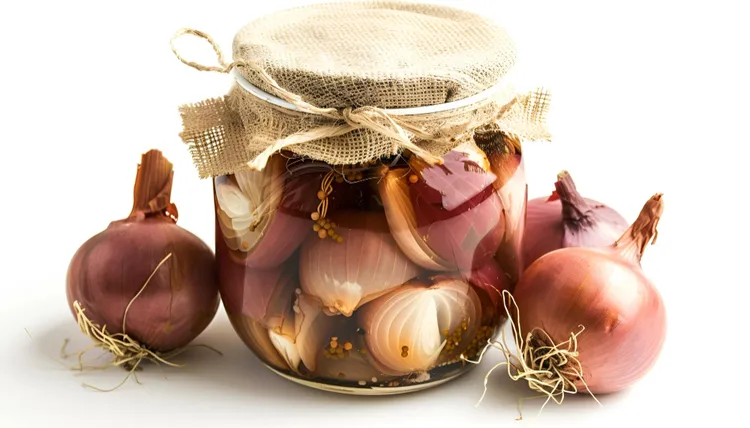
ACV's fruity edge gives pickles a different character than white wine vinegar. It's particularly good with root vegetables and alliums - pickled red onion in ACV has a sweeter, more rounded flavor than the same onion in white vinegar. The color shift is also slightly different: red onions in ACV turn a vivid pink relatively quickly.
Basic quick pickle brine: 120ml ACV, 120ml water, 1 tsp salt, 1 tsp sugar per 250g of vegetables. Ready in 30 minutes for thinly sliced vegetables, better after 24 hours. Keeps refrigerated for 2 weeks. For cucumbers, add fresh dill and a clove of garlic. For red onion, add whole black peppercorns and a small dried chili. For carrots, add fresh ginger and a pinch of turmeric.
Full pickling guide organized by vegetable - including which vinegar suits each one best - at pickling at home.
In Drinks: Shrubs and Switchels
ACV is one of the best vinegars for shrubs - drinking vinegars mixed with sparkling water or used as cocktail components. Its fruit base works naturally with berries, stone fruit, ginger, and citrus. A basic apple-ginger shrub: 200g grated apple (or apple scraps), 200g sugar, 200ml ACV, 30g fresh ginger. Cold-process for 48 hours, strain, bottle. Mix 30ml with 150ml sparkling water. Full technique at how to make a shrub.
Switchel - a pre-refrigeration hydration drink made from water, ACV, ginger, and a sweetener - has been genuinely rediscovered and is worth trying. Mix 2 tbsp ACV, 1 tbsp honey or maple syrup, 1/2 tsp fresh grated ginger, 500ml cold water. Refreshing in a way that's hard to describe until you've had it.
Storage and Shelf Life
ACV keeps indefinitely at room temperature. The "best by" date on commercial bottles is a regulatory formality rather than a flavor guideline. The mother in unfiltered versions may grow over time - this is harmless. If the bottle develops sediment or cloudiness, that's entirely normal. Discard only if there's a genuinely off smell beyond normal vinegar sharpness.
When Not to Use ACV
Its fruitiness can clash in applications that need a clean, neutral acid. White wine vinegar is better for delicate cream sauces, beurre blanc-adjacent preparations, and anything where you want acidity without any fruit character. For bold, umami-heavy Asian applications - Chinese black vinegar territory - ACV is too mild and too sweet to carry the dish.
For a full picture of where ACV fits within the wider vinegar landscape, the vinegar renaissance guide covers every major type and when to use each.
Troubleshooting Common ACV Mistakes
The most common mistake with apple cider vinegar is using too much at once. Because it's mild, people add extra to compensate and overshoot - a tablespoon of ACV in a dressing is noticeable; three tablespoons is astringent. Start with the smaller amount, taste, and add. The second most common mistake is using the seasoned version when a recipe calls for plain: seasoned ACV has sugar and salt already incorporated, which throws off the balance of anything you're adding it to. Check the label. Third mistake: using raw ACV in long braises and expecting the fermented character to survive - it doesn't. The mother's complexity cooks off, leaving standard acetic acid. For braises, filtered ACV is fine and costs less.
ACV vs. White Wine Vinegar: When to Swap
The two most interchangeable vinegars in a Western kitchen are ACV and white wine vinegar. Same acidity range (5-6%), both versatile, both work in dressings and marinades. The swap works best in applications where the fruit character of ACV is neutral or beneficial: slaws, marinades for chicken and pork, baking, and light dressings. The swap works poorly when the recipe is specifically French-inflected (beurre blanc, hollandaise variants, fine vinaigrettes for very delicate greens), because ACV's fruitiness introduces a note that feels slightly off in those contexts. When in doubt in a Western recipe: use white wine vinegar. When the dish has any fruit, apple, pork, or American barbecue character: use ACV.
Nutritional Context
ACV is nearly zero-calorie in cooking amounts - about 3 kcal per tablespoon. The acetic acid content at 5% is low enough that it contributes no meaningful macros to a dish. The health claims around blood sugar modulation, gut health, and weight management are outside the scope of a cooking guide - the relevant point for kitchen use is that it functions identically to other vinegars at this acidity level. It doesn't require any special handling or dilution beyond what any 5% vinegar requires. Use it wherever the flavor works and don't treat it as a functional food additive - the quantities needed for any claimed health effect are much larger than what you'd use in cooking.
Buying Guide
Two tiers exist. Filtered commercial ACV (Heinz, generic supermarket brands) is fine for cooking, baking, and most marinades - consistent acidity, clean flavor, inexpensive. Raw unfiltered ACV with the mother (Bragg's is the most widely available, or any bottle with visible cloudiness and "mother" on the label) is better for dressings and applications where the vinegar is raw and prominent, because the fermented character is slightly more complex. The price difference is small - a 946ml bottle of Bragg's costs about $5 to $7. Unless you're using it primarily in baking or as an ingredient in long-cooked dishes, the unfiltered version is worth having.
ACV in Meat-Free and Plant-Based Cooking
Apple cider vinegar does particular work in plant-based cooking where it substitutes for some of the acidity and complexity that meat-based fats and stocks contribute. In a vegan bolognese with lentils or mushrooms, 1 tbsp of ACV added in the final 5 minutes provides the brightness that the absence of meat would otherwise leave flat. In cashew cream sauces, a small amount of ACV mimics the tang of dairy cream cheese and prevents the rich cashew base from tasting heavy and one-dimensional. In braised jackfruit or pulled mushroom preparations, ACV is the acid that makes the filling taste like barbecue rather than just sweet-and-savory sauce. The versatility tracks because ACV's flavor is fruity and mild enough to belong in dishes across most cooking traditions when used in small amounts.
Seasonal and Temperature Considerations
ACV performs differently depending on temperature in ways that are worth knowing. Cold ACV in a cold dressing tastes sharper because low temperature suppresses volatiles - the fruity esters that round out its character are less present when cold. If your cold-stored ACV dressing tastes harsher than expected, let it come to room temperature for 10 minutes before serving or taste and adjust the ratio after chilling. Conversely, ACV added to a hot pan evaporates faster than most cooks expect - the aroma fills the kitchen and the flavor softens quickly. If you're using ACV as a finishing acid in a hot dish, add it off the heat or just before plating rather than in the pan, to retain the full acid presence.
Latest