Store-Bought Oat Milk Brands Compared: What to Look for on the Label
A practical buying guide for store-bought oat milk - what to actually check on the label for coffee performance, added sugar, and fat content.
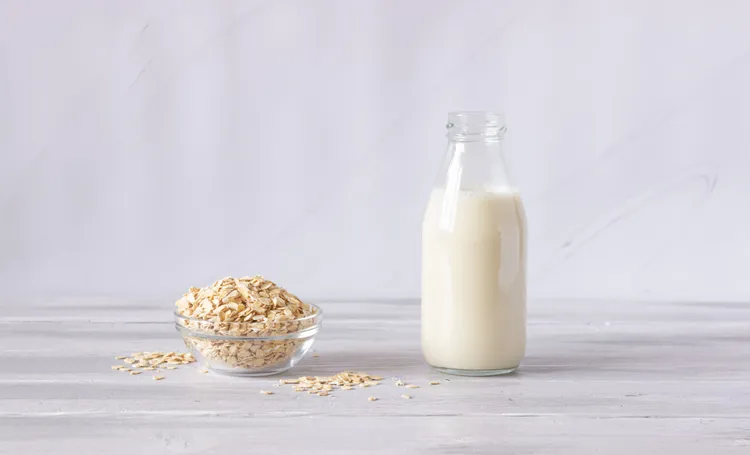
Not everyone wants to make their own oat milk, and that's a completely reasonable choice - but oat milk brands vary considerably in ingredients, added oil, sweetener, and how well they actually hold up in coffee. Here's what to actually look for on a label.
Check the Ingredient List Length
Some oat milks are made with just oats, water, and a small amount of oil and salt - a short, simple ingredient list similar to what you'd make at home. Others include added sugars, gums, and stabilizers for a thicker, longer-lasting product. Neither approach is inherently wrong, but if you're looking for something closer to homemade, a shorter ingredient list is the better signal.
Look for "Barista" or "Coffee" Labeling Specifically
If splitting in coffee has been a consistent frustration, look specifically for a carton labeled "barista" or "for coffee" rather than a standard or "original" version. These are formulated with added oil specifically for heat and acid stability, similar to our homemade barista-style recipe, and they perform noticeably better in hot, acidic coffee than a standard oat milk.
Check Added Sugar Content
Oat milk naturally has a mild sweetness from the oats' own starches breaking down slightly during processing, but many brands add extra sugar on top of that. If you're trying to limit added sugar, look for a carton labeled "unsweetened" and compare the grams of sugar per serving on the nutrition label - naturally occurring sweetness from oats alone is typically quite low, so a high sugar count signals added sweetener.
Check Fat Content
A higher fat content, usually from added oil, generally correlates with a creamier texture and better performance in coffee, similar to the reasoning behind our homemade barista-style version. If a brand's fat content per serving looks unusually low, it may perform more like a thin, watery milk rather than a rich, creamy one.
Consider Fortification
Many oat milk brands fortify their product with calcium, vitamin D, and vitamin B12, nutrients that are naturally present in dairy milk but not in plain oat milk. If oat milk is replacing a significant portion of dairy in your diet, a fortified version is worth considering over an unfortified one, or plain homemade oat milk, from a nutritional standpoint.
Gluten-Free Certification
Oats themselves are naturally gluten-free, but they're often processed in facilities that also handle wheat, leading to cross-contamination. If gluten is a genuine concern (rather than just a preference), look specifically for a carton certified gluten-free, which indicates the oats were processed in a dedicated gluten-free facility or otherwise tested to confirm low gluten content.
A Quick Reference
- Want something close to homemade: Look for a short ingredient list (oats, water, oil, salt)
- Having trouble with splitting in coffee: Look for "barista" or "coffee" labeling specifically
- Limiting added sugar: Choose "unsweetened" and check the nutrition label
- Relying on oat milk nutritionally: Look for fortification with calcium, vitamin D, and B12
- Avoiding gluten strictly: Look for gluten-free certification specifically
Whether you make your own or pick up a carton, understanding what's actually in it makes for a better, more predictable result either way. For the full guide to making your own, see the complete oat milk guide.
Latest