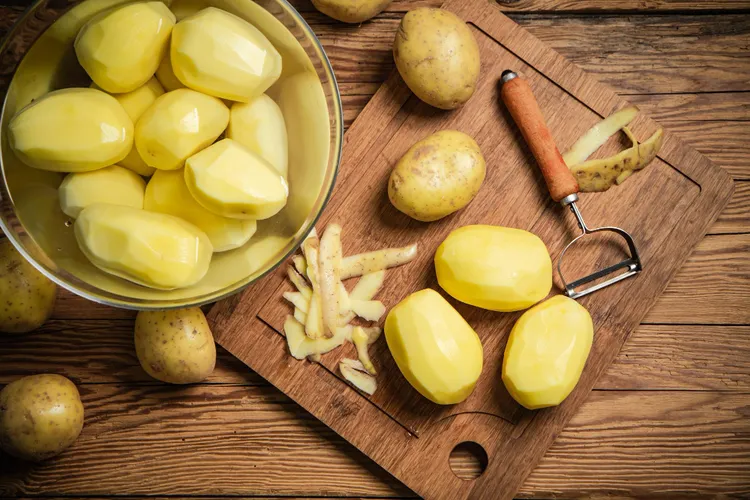
Potatoes, from Seed to Plate: The Complete Growing, Storing, and Cooking Guide
Everything about potatoes in one place: planting and harvesting, long-term storage, the food science behind texture, every major cooking method, and what to do with a surplus harvest.
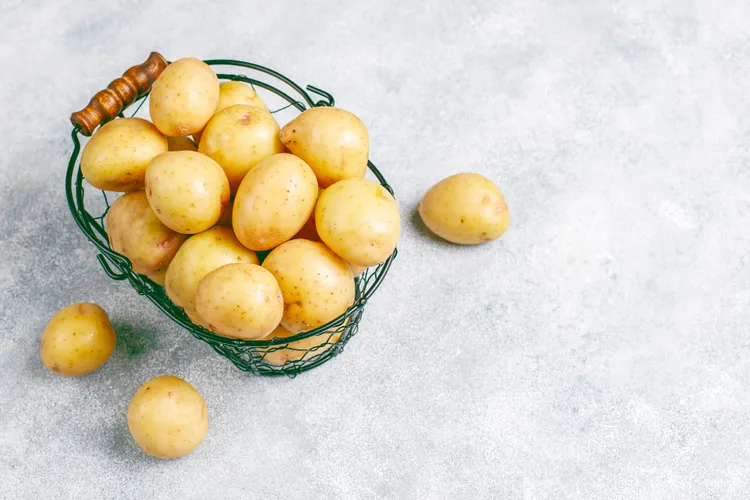
Few crops carry a kitchen the way potatoes do. One tuber, planted from a fragment of itself, can end up boiled for a salad, mashed for Sunday dinner, or double-fried into something better than anything from a drive-through window. This guide walks the full arc: what the seed potato is doing underground, how to read a bag of dirty tubers into ten more months of dinners, and why some potatoes turn gluey the second a masher touches them while others never do.
What a "Seed Potato" Actually Is
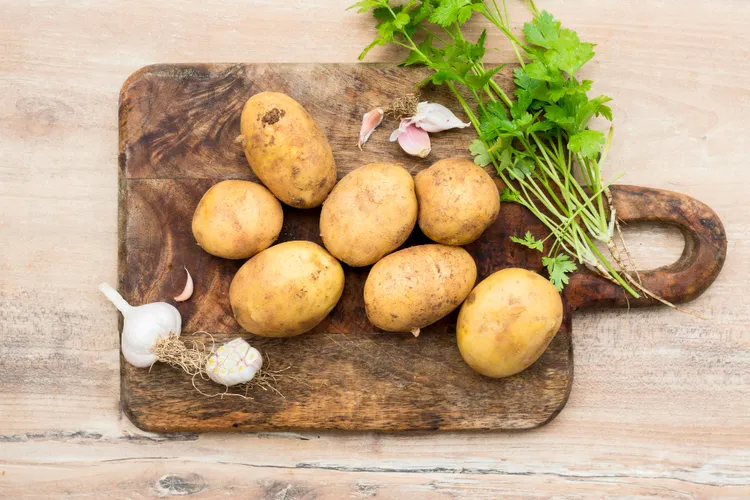
A seed potato isn't a seed in the botanical sense. It's a small tuber, or a piece of one, planted whole or cut into chunks with at least one healthy "eye" per piece. Each eye is a dormant bud capable of pushing up its own stem. Certified seed potatoes are grown specifically for planting, screened for viral and fungal disease, which matters more than it sounds; supermarket potatoes are often treated with sprout inhibitors and can carry soil-borne pathogens that spread through a garden bed for years. Full breakdown, including chitting (pre-sprouting) and cutting technique, is in Seed Potatoes 101.
From Planting to Harvest
Potatoes go into the ground roughly two to three weeks before the last expected frost, in loose, well-draining soil with a slightly acidic pH around 5.0 to 6.5. Heavy clay soil compacts around developing tubers and produces misshapen, stunted potatoes, so gardeners on clay often build raised rows or work in compost well before planting. Seed pieces go in about 3 inches deep and 12 inches apart, eyes facing up, with rows spaced roughly 2.5 to 3 feet apart to leave room for hilling.
The defining technique is hilling: mounding soil, straw, or mulch around the base of the growing stems every few weeks as the plant reaches 6-8 inches tall, so developing tubers stay covered and don't green from sun exposure. Skip hilling and a portion of the crop turns bitter and mildly toxic at the surface, since sunlight triggers the same solanine response in the ground that it does in storage. Watering matters most during tuber formation, roughly six to ten weeks after planting; inconsistent watering during this window is the leading cause of hollow heart, a void that forms in the center of the tuber when growth suddenly accelerates after a dry spell. The season-by-season mechanics, including watering rhythm and pest watch points for Colorado potato beetle and scab, are covered in How to Grow Potatoes. No backyard bed? Growing Potatoes in Containers covers grow bags and buckets for patios and balconies, where the same hilling principle just means adding more soil to the bag as the plant grows.
Knowing when to dig matters as much as how you planted. "New" potatoes, thin-skinned and sweet, get harvested early while the plant is still flowering. Main-crop storage potatoes wait until the foliage yellows and dies back, which thickens the skin for longer keeping. Timing, curing, and the fork technique that avoids bruised, rot-prone tubers are in When and How to Harvest Potatoes.
Storage: The Step Most Recipes Skip
A potato is still alive after harvest, slowly converting starch to sugar and using stored energy to try to sprout. Storage conditions decide how fast that happens. The target is cool, dark, and humid, roughly 45-50°F with 85-90% humidity and good airflow. Refrigerator temperatures are actually too cold: they accelerate starch-to-sugar conversion in a process called cold-induced sweetening, which is why fridge-stored potatoes fry up dark and overly sweet instead of golden, and why commercial kitchens never refrigerate their fry stock.
Light triggers greening and solanine buildup near the skin, which is why the ideal spot is a dark cupboard, paper bag, or cardboard box, not a bowl on the counter. A small amount of green is common and can be cut away, but a potato that's gone significantly green or has started sprouting heavily is putting more energy into solanine production and should be discarded rather than trimmed. Storing potatoes near onions is another common mistake: onions release ethylene gas as they age, which accelerates sprouting in nearby potatoes. Curing freshly dug main-crop potatoes for one to two weeks in a slightly warmer, humid spot before moving them to long-term storage toughens the skin and heals over any nicks from harvesting, which significantly cuts down on storage rot. Full storage setup, including apartment-friendly alternatives to a root cellar, is in How to Store Potatoes So They Last.
Not All Potatoes Behave the Same
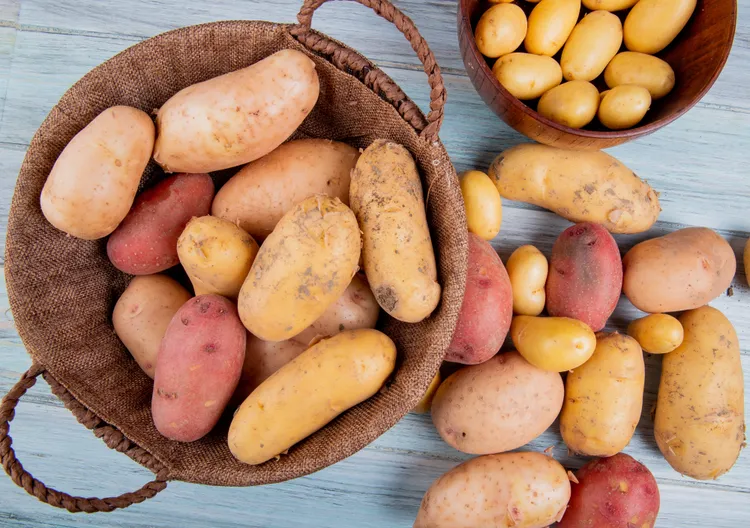
Every downstream cooking decision traces back to one variable: starch content. Potatoes fall on a spectrum from starchy (Russets, most purple varieties) to waxy (red potatoes, fingerlings) with all-purpose types like Yukon Gold in between.
- Starchy potatoes have less water and more starch granules that swell and separate when cooked, giving a light, fluffy interior. Best for baking, mashing, and frying.
- Waxy potatoes hold their shape because their cell walls stay intact through cooking. Best for boiling, salads, and gratins where you want distinct pieces, not a collapse into mush.
- All-purpose potatoes split the difference and tolerate most methods reasonably well, which is why they're the default at most grocery stores.
The full variety-to-dish matchup, including why a waxy potato in a mash recipe turns gluey no matter how gently you treat it, is in Potato Varieties Explained.
Nutrition: Beyond "Just Carbs"
A medium potato, skin on, carries meaningful potassium (more per serving than a banana), vitamin C, and fiber concentrated largely in the skin. Cooking method changes the nutritional picture substantially: boiling leaches some water-soluble vitamins into the cooking water, while a potato cooked and then cooled develops resistant starch, a fiber-like compound that behaves differently in digestion than the starch in a freshly cooked potato. Full macro and micronutrient breakdown by variety and prep method is in Potato Nutrition Facts.
The Food Science of Starch
Almost every potato cooking failure traces back to starch behaving in a way the cook didn't anticipate. Heat causes starch granules to absorb water and swell, a process called gelatinization, which is what makes a potato go from hard to tender. Overwork that gelatinized starch, by over-mashing or over-stirring, and the granules rupture and release excess free starch, turning a mash gluey and paste-like instead of fluffy. This is also why a food processor is the wrong tool for mashed potatoes; its blades shear the cells far more aggressively than a ricer or hand masher.
Boil potatoes in already-hot water instead of starting them cold, and the outside overcooks before the center catches up, leaving a waterlogged, falling-apart exterior with an undercooked core. Cooling cooked starch also matters: as gelatinized starch cools, some of it recrystallizes in a process called retrogradation, which is part of why day-old boiled or roasted potatoes firm up and why that firmer starch is more resistant to digestion. Grey or blue-grey discoloration in raw or cooked potatoes comes from a reaction between iron in the potato and chlorogenic acid, usually triggered by using an aluminum or cast-iron pot, or by potatoes that were cut and left exposed to air for too long before cooking. The complete explanation of gelatinization, retrogradation, and the specific technique fixes for gluey mash, waterlogged boils, and grey discoloration is in The Science of Starch.
Cooking Methods, One at a Time
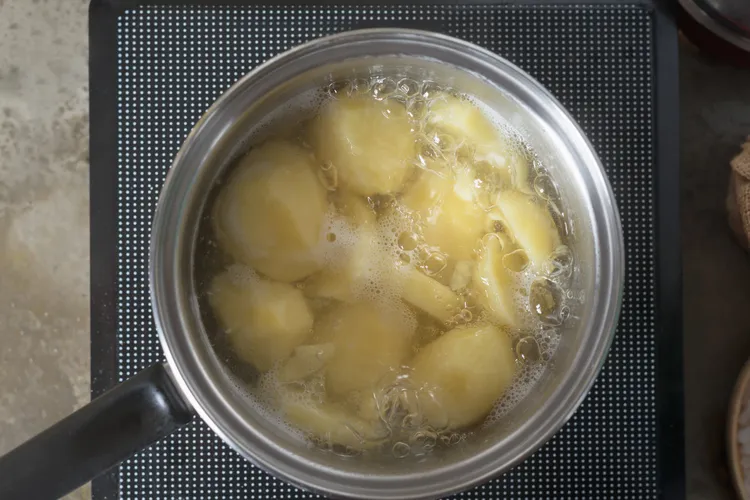
Boiling is the base technique behind mash, salads, and gnocchi, and the one most often rushed. Cold-start the potatoes in salted water, bring both up to temperature together, and pull them the moment a knife slides in without resistance. Salting the water generously, similar to pasta water, seasons the potato from the inside rather than leaving all the salt on the surface. Cutting potatoes into even pieces before boiling matters more than most recipes emphasize; a mix of large and small chunks in the same pot means some pieces are mush before the rest are done. Full timing by variety and size is in How to Boil Potatoes Without Them Falling Apart.
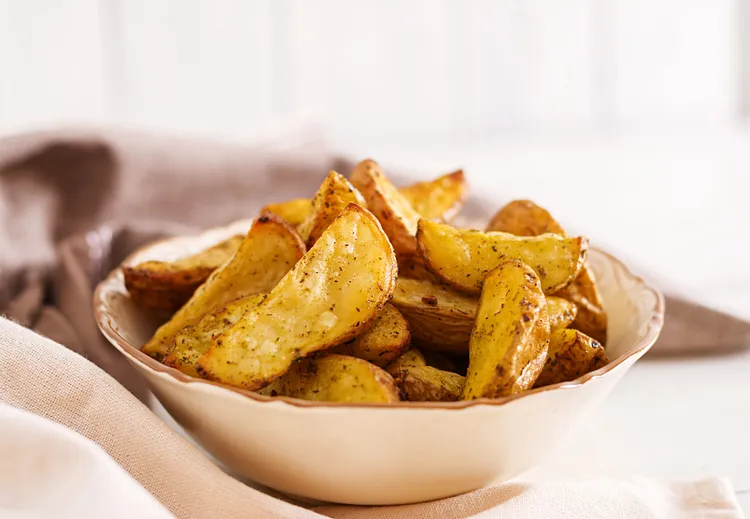
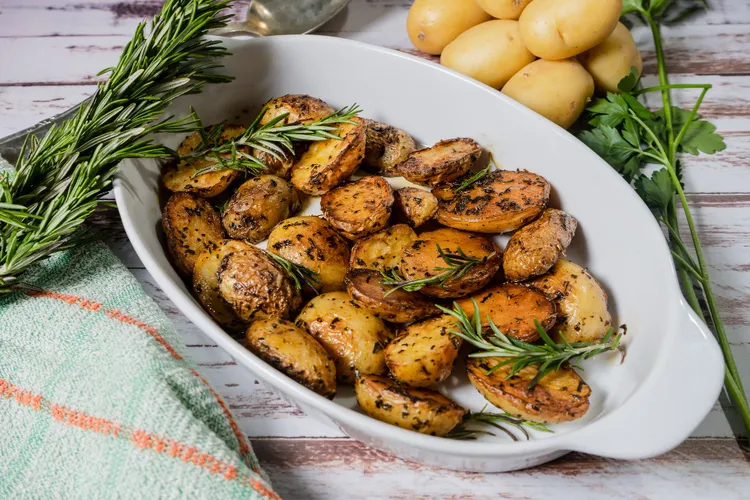
Roasting depends on a step most home cooks skip: parboiling the potatoes first, then roughing up the edges in the colander before they hit the hot fat. That rough, starchy surface is what turns into shattering crisp edges in the oven. The Secret to Crispy Roasted Potatoes covers fat choice, oven temperature, and why crowding the pan is the single most common mistake.
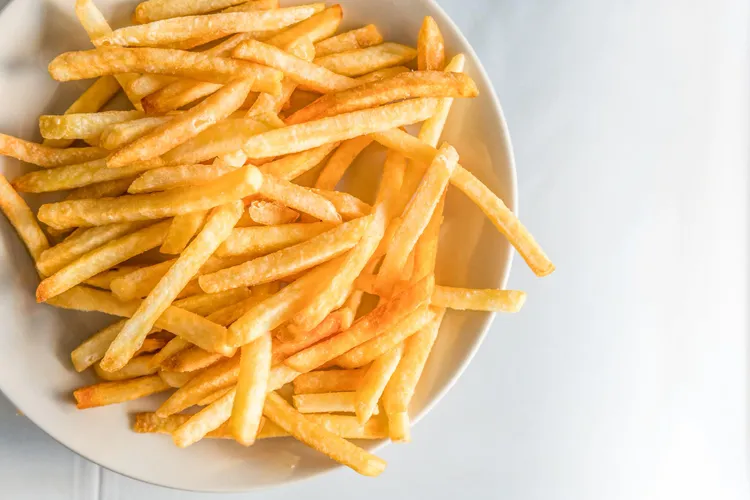
Frying for fries or chips runs on a two-stage temperature system: a lower-temperature fry to cook the interior through, then a hot second fry to shatter the exterior. Steak with Homemade Thick Chips is a good practical starting point, and the full mechanics of the double-fry method, including why a cold-water soak beforehand matters, are in Restaurant-Style French Fries.
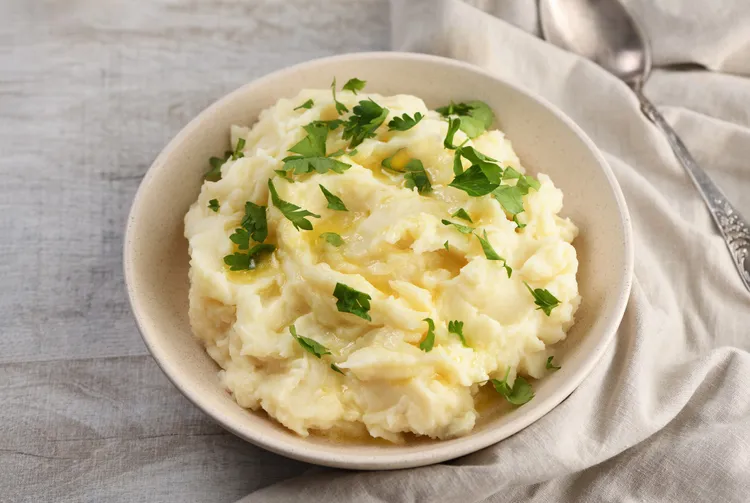
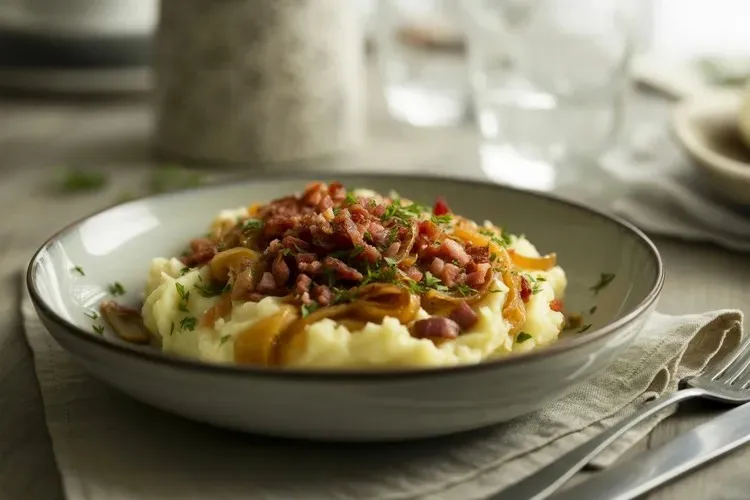
Mashing is where starch science shows up most visibly on the plate. A ricer produces a smoother, lighter result than a hand masher because it shears the potato with minimal cell rupture. Warm dairy incorporated gradually, rather than cold milk dumped in all at once, keeps the starch from seizing. Roasted Garlic Mashed Potatoes with Chives and Potato Mash with Bacon and Caramelised Onion both apply the technique; the full method is in Creamy Mashed Potatoes Without the Gluey Texture.
Baking is the simplest method on paper and the easiest to get wrong in the details. Oven, air fryer, and microwave produce three genuinely different textures from the same starting potato. Baked Potatoes with Olive Oil and Jacket Potato with Apple Coleslaw both use the oven method; the side-by-side comparison across all three appliances is in Baked Potatoes Three Ways.
What to Pair With Potatoes
Potatoes are a neutral canvas, which means pairing choices carry more weight than with almost any other vegetable. Acid (lemon, vinegar, sour cream) cuts through their starchiness and keeps rich preparations from tasting flat; the classic Lemon-Herb Roasted Potato Nuggets and Country Potato Salad with Cottage Cheese both lean on this. Fat (butter, olive oil, bacon) is what carries flavor into an otherwise bland interior, as in Tuscan Butter Potatoes, since potatoes have almost no fat of their own to dissolve fat-soluble flavor compounds. Herbs behave differently depending on when they're added: hardy herbs like rosemary and thyme hold up to the full roast time, while delicate ones like chives and parsley should go on after cooking, or they turn bitter and dull. A full pairing framework by cooking method, including protein and vegetable combinations, is in What to Pair With Potatoes.
Preserving a Harvest
Fresh storage only goes so far, especially with a large garden harvest or a bulk buy. Freezing potatoes raw produces a mushy, watery result on thawing because ice crystals rupture the cell walls and the enzyme polyphenol oxidase keeps working during freezer storage, causing off flavors and discoloration; blanching first deactivates that enzyme and preserves texture, which is why frozen fries and hash browns are always blanched before they're bagged. Mashed and fully cooked potato dishes freeze more forgivingly than raw cut potatoes, since the starch has already gelatinized.
Dehydrating turns extra potatoes into hash brown shreds or homemade chips with a shelf life measured in months, not weeks, and takes up a fraction of the freezer space. Fermenting potatoes is less common than fermenting other vegetables, since their low acidity and dense structure make them slower to safely ferment, but it does show up in some traditional Northern and Eastern European preparations. The full freezing, dehydrating, and fermentation methods, including which preparations hold up best to each, are in How to Freeze, Dehydrate, and Ferment Potatoes at Home.
Where to Start Cooking
If this is your first stop, the fastest path from theory to dinner is the Classic Mashed Potatoes Recipe, which applies the starch science above step by step. From there, the potato pancakes in Potato Fritters with Onion and Herbs, the Scottish Traditional Tattie Scones, and the Italian dumplings in Homemade Gnocchi all build on the same mashing and starch fundamentals in different directions.
Latest