The Home Cook's Complete Guide to Homemade Preserves Beyond Jam
A practical introduction to the full world of home preserving: pickles, chutneys, fruit curds, jellies, fruit cheeses, flavoured vinegars, and more. Everything a beginner needs to get started with confidence.
Jam is where most home preservers start, and many never go further. That is a shame, because the techniques required to make chutney, pickled onions, lemon curd, fruit jelly, and quince paste are no harder than making jam - and the range of flavours and uses that opens up is considerably wider. This guide covers every major category of home preserve with enough detail to make your first batch of each with confidence.
What All Preserves Have in Common
Every preserve uses one or more of four preservation mechanisms: sugar (high concentration inhibits microbial growth), acid (vinegar or natural fruit acid lowers pH to unsafe levels for most pathogens), salt (draws moisture out of cells, creates an inhospitable environment for harmful bacteria), and fat (creates an anaerobic seal that excludes oxygen and most airborne contaminants). Understanding which mechanism your preserve relies on tells you how to store it and how long it will keep.
Jam relies on sugar and acid. Chutney uses sugar and vinegar together. Pickles rely primarily on acid (vinegar) or lactic acid from fermentation. Fruit curds use gentle heat plus the fat in butter and eggs to create a short-lived but intensely flavoured spread. Potted foods use a fat seal. Candied fruit uses sugar saturation. Each has its own logic, and once you understand the mechanism, the technique follows naturally.
Equipment You Already Have
Most preserving needs nothing specialist. A large heavy-based pan handles jam, chutney, and fruit curd. Glass jars with tight lids work for pickles and chutneys. A fine-mesh sieve or muslin cloth serves as a jelly bag. A sugar thermometer covers jam, marmalade, and candied fruit. A double boiler (or a heatproof bowl over a pan of simmering water) is all you need for lemon curd.
The one meaningful investment for anyone who wants to preserve in quantity is a set of proper canning jars with two-piece lids - the flat seal creates a reliable vacuum when hot contents cool inside. For everything else, well-washed commercial jars with secure lids work fine, understanding that they are refrigerator products rather than pantry ones.
The Preserve Categories
Pickles
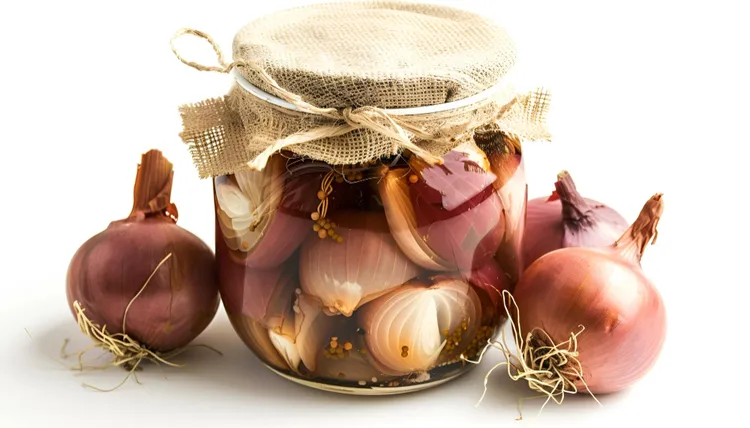
Pickles preserve vegetables (and some fruits) in acid - either vinegar added directly (quick pickles) or lactic acid produced by salt-driven fermentation (fermented pickles). Quick vinegar pickles are ready in 24 to 48 hours and keep for several months sealed. Fermented pickles take 1 to 4 weeks but develop more complexity and contain live cultures. The two methods are not interchangeable - each produces a different product with a different flavour profile and different storage requirements.
The full method for both approaches, including which vegetables work best for each, is in the vegetable pickling guide. For traditional pickled onions specifically, including brining time and vinegar selection, see the pickled onions guide.
Chutneys
Chutney is cooked fruit or vegetables with vinegar, sugar, and spices, reduced to a thick, jammy consistency. The vinegar and sugar together create a preserve that keeps at room temperature for 12 months or more when properly sealed. Unlike jam, chutney does not need to reach setting point - the test is consistency, not temperature. A line drawn through chutney on a cold plate should hold without flooding back. For the technique and a tested tomato chutney recipe, see the chutney guide.
Fruit Curds
Lemon curd is the best known, but the technique works for any sharp citrus or tart fruit: passion fruit, raspberry, lime, blood orange. Curd is cooked over gentle heat - egg yolks, sugar, butter, and fruit juice stirred until thick. It is not shelf-stable in the way jam is; the eggs and butter mean it keeps for 2 to 4 weeks refrigerated. The reward is a spread with far more flavour complexity than any jam. For the method and recipes for lemon, passion fruit, and raspberry curd, see the fruit curd guide.
Fruit Jellies
Fruit jelly is jam without the pulp - clear, glossy, and intensely flavoured. The fruit is cooked, strained through a jelly bag (never pressed, or the jelly clouds), and the clear juice is then cooked with sugar to setting point. High-pectin fruit like cooking apples, quince, and crab apples give the clearest jellies with the firmest set. See the fruit jelly guide for the straining method and recipes for apple and blackberry jelly.
Fruit Butters and Cheeses
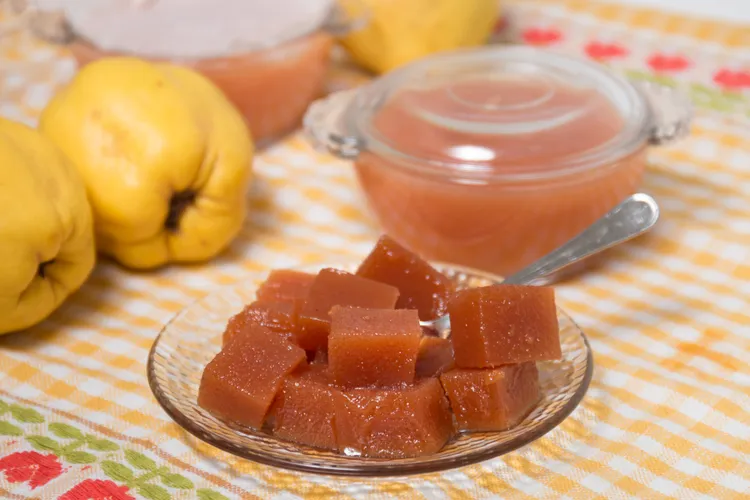
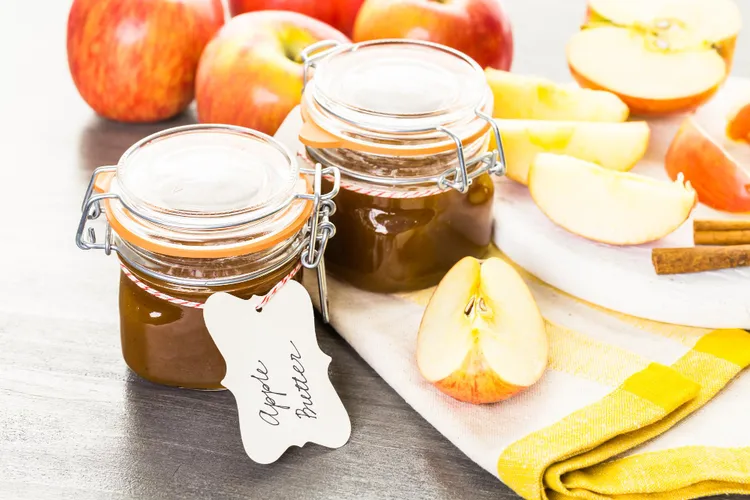
Fruit butter is smooth, spreadable, and lower in sugar than jam - slow-cooked puréed fruit reduced to a thick, velvety consistency. Fruit cheese is taken further still, cooked until it is stiff enough to slice and hold its shape. Both use less sugar than jam per kilogram of fruit, making them good options for people who find jam too sweet. The apple and pear butter guide covers both approaches, and the quince paste and fruit cheese guide covers the firmer sliceable versions including traditional membrillo.
Candied and Crystallised Fruit
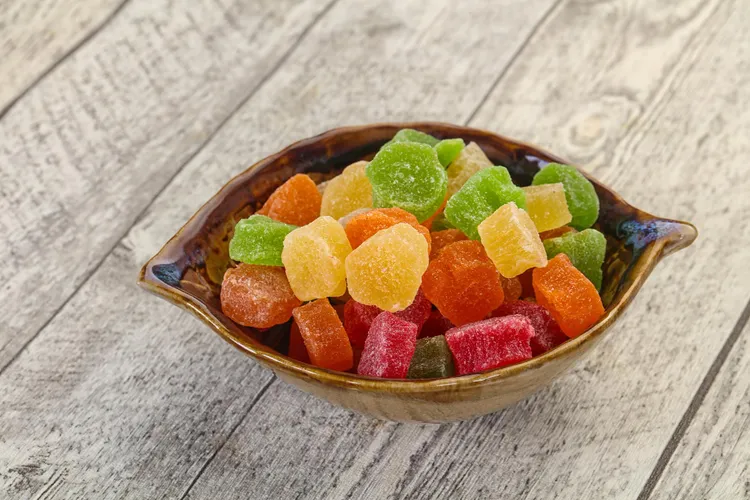
Candying replaces the moisture inside fruit with sugar syrup, preserving it indefinitely and transforming its texture and flavour. The process takes several days of gradual syrup concentration but requires minimal active work. Glacé cherries, candied citrus peel, and crystallised ginger are all made this way. For a full walkthrough of the slow candying method and quick alternatives, see the candied and crystallised fruit guide.
Flavoured Vinegars and Shrubs
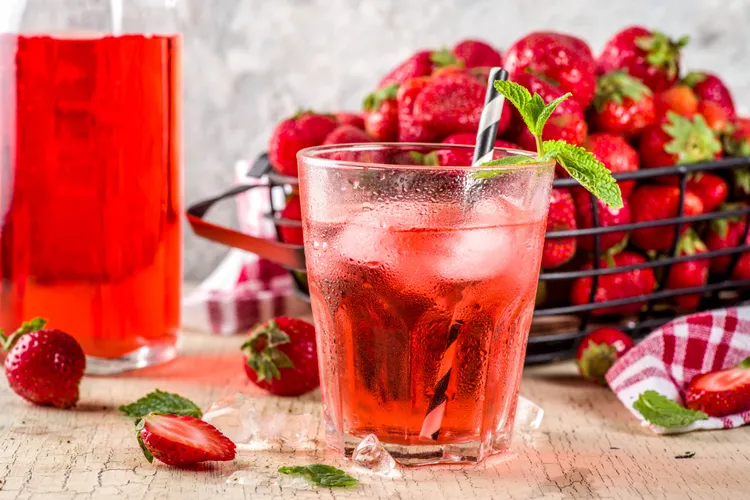
Infusing vinegar with herbs, fruit, or chilli produces an ingredient that is both a preserve and a seasoning. Shrubs - drinking vinegars made from fruit and sugar - are the most immediately approachable version and require no cooking. Both are covered in the flavoured vinegars and shrubs guide.
Mincemeat
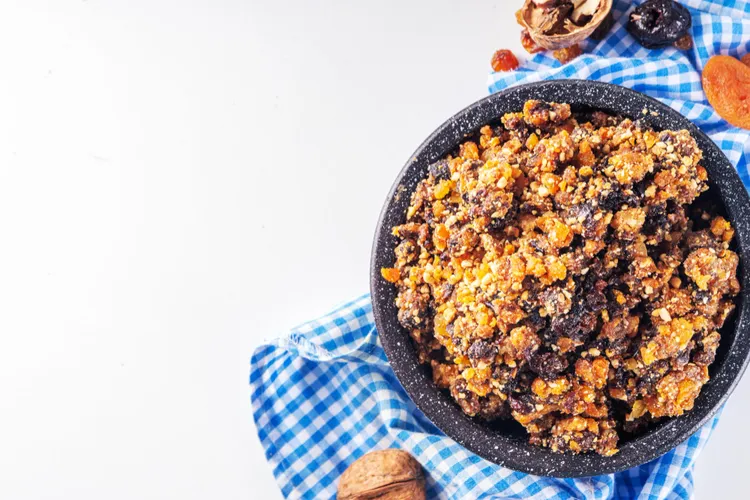
Traditional British mincemeat is a preserve - dried fruit, suet or butter, sugar, spice, and alcohol combined and allowed to mature for weeks or months. The alcohol and sugar together preserve it at room temperature for up to a year, developing in flavour over time. The homemade mincemeat guide covers both the traditional suet version and a modern butter alternative.
Potted Foods
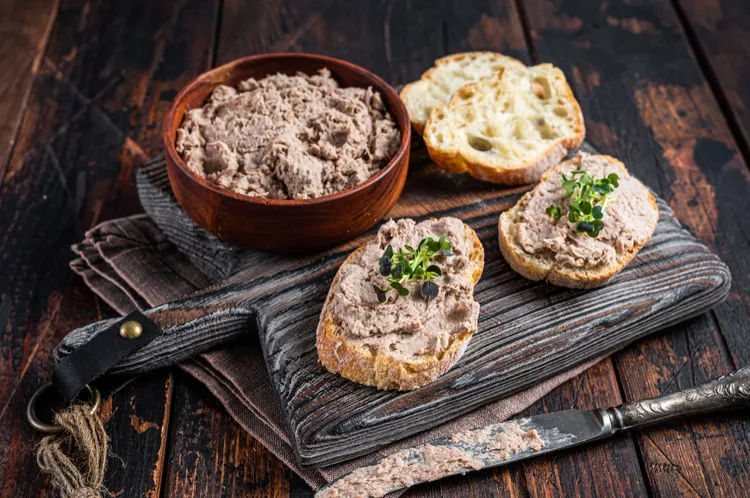
Potting seals cooked meat, fish, or cheese under a layer of clarified butter or fat, which sets and excludes air. Potted shrimp is the British classic; duck rillettes and potted cheese are broader applications of the same principle. For all three, see the potted foods guide.
Flavoured Salts, Sugars, and Infused Oils
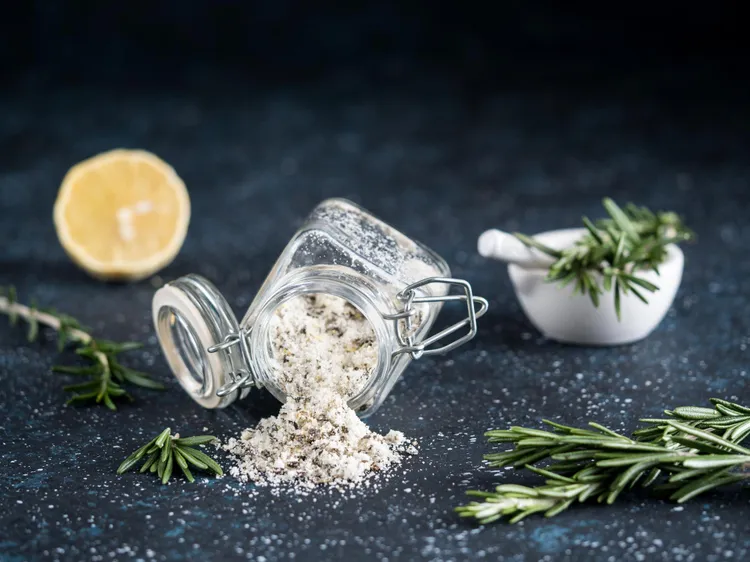
These are the simplest preserves and the easiest starting point for anyone new to the subject. Herb salts and vanilla sugar require no cooking. Infused oils require careful attention to food safety (garlic in oil can support botulism growth without correct technique). The flavoured salt, sugar, and infused oil guide covers all three with full safety guidance.
Food Safety: What You Need to Know
Botulism is the serious risk in home preserving and it is worth understanding properly rather than vaguely worrying about. Clostridium botulinum spores produce toxin in anaerobic (oxygen-free), low-acid, low-salt environments at room temperature. This means sealed jars of low-acid vegetables without vinegar or a pressure canner are the actual risk category - not jam, not chutney, not vinegar pickles, not fruit curd. All of the preserves in this guide use sufficient acid, sugar, salt, or refrigeration to make botulism a non-issue when instructions are followed correctly.
Mould is a more common problem and a simpler one: it grows on surfaces exposed to air, particularly in low-sugar preserves or inadequately sterilised jars. Discard any jar showing mould. Properly sterilised jars filled correctly and sealed while hot minimise the risk. For jam-making in particular, the technique is covered in detail in the complete homemade jam guide.
Sterilisation for All Preserves
The same sterilisation methods apply across all preserves: oven at 120 degrees Celsius for 15 minutes, dishwasher on the hottest cycle timed to finish just before filling, or boiling water for 10 minutes. Fill jars while both the jar and the contents are hot. Seal immediately. The vacuum created as the contents cool draws the lid down and creates a reliable seal. Any lid that does not dimple inward on cooling has not sealed and that jar goes in the fridge.
Linking Preserves to the Broader Kitchen
A well-stocked preserve shelf changes how you cook. Chutney alongside a roast, pickled onions with cheese, lemon curd on toast or folded into whipped cream, apple butter on porridge or pork, quince paste with manchego, potted shrimp on brown toast - each of these requires something made in advance, in quantity, to be ready when you want it. The investment of an afternoon produces weeks or months of kitchen utility. If you are already making jam at home, the techniques in this series require very little additional learning. If you are starting from scratch, the jam series at CookThisMuch homemade jam guide is the best foundation to build from before moving into the wider preserve world covered here.
Consillar and Meal Planning
If you are making preserves to reduce food waste, extend seasonal produce, or stock a more interesting larder, Consillar's weekly meal prep planner can help you plan how your homemade preserves fit into the week's meals - from a chutney with Sunday's roast to lemon curd in Thursday's breakfast.
Starting Out: The Right Order to Learn
If you are new to preserving, start with chutney. It is the most forgiving preserve - no setting point to hit, no temperature to hold precisely, no gel to achieve. The test is visual consistency and the penalty for getting it wrong is chutney that is either slightly runny (use as a sauce) or slightly too thick (thin with a tablespoon of vinegar in the finished jar). Once you have made one successful batch of chutney, move to quick pickles, then to jam and jelly, then to the more technical preserves like fruit curd and candied fruit.
The preserve categories in this series are roughly ordered by complexity. The chutney guide and the pickling guide are the best starting points. The potted foods guide and candied fruit guide sit at the more involved end but are still achievable in a standard domestic kitchen with standard equipment.
Seasonal Preserving Calendar
Most preserving is tied to seasonal availability. The general rhythm for a UK or northern European kitchen: June and July for strawberry and raspberry jam and soft fruit curds. August for stone fruit jam, plum chutney, and the first pickled cucumbers. September for apple jelly, green tomato chutney, blackberry and apple preserves. October for quince paste and the last of the damson cheeses. November for mincemeat (made now, used at Christmas). January for Seville orange marmalade. Year-round: quick pickles from whatever vegetables are available, flavoured salts and sugars, infused vinegars.
This rhythm means your larder changes through the year. A well-stocked preserve cupboard in December holds summer fruit in January, autumn chutneys through spring, and mincemeat that has been maturing since October. The investment of time is spread across the year in sessions of 30 minutes to 2 hours each.
Equipment Summary
Across all the preserves in this series, you need: a large heavy-based pan (6 litres minimum), glass jars with lids in various sizes, a sugar thermometer, a wide-mouthed funnel, a fine-mesh sieve or muslin cloth, small ramekins for potted foods, and silicone or ceramic moulds for fruit cheese. Total cost for a basic setup, assuming you already have a suitable pan, is under 30 pounds and the equipment lasts for years.
If you plan to water bath can for long-term pantry storage, add a large stockpot (at least 30cm tall) and proper two-piece canning lids. For those in the UK, water bath canning is less widely practised than in North America - most British home preserve recipes rely on hot-jar sealing rather than processing. Both approaches are covered where relevant in the individual guides.
Building a Preserve Larder Over a Season
A full year of seasonal preserving yields something from almost every month. The economics are excellent: a kilogram of seasonal fruit costing two or three pounds produces 4 to 6 jars of finished preserve worth considerably more. A good chutney from surplus garden tomatoes costs almost nothing to make. Flavoured salts and sugars cost pence per jar. A well-made potted shrimp using brown shrimp from a fishmonger costs a fraction of the restaurant price.
The broader value is having interesting, genuinely personal food to serve and give. A cheese board with homemade quince paste, a pot of duck rillettes on the table before dinner, a jar of homemade mincemeat given as a gift in November - none of these require exceptional skill, just the knowledge of how to make them and the patience to wait while they mature. Track how your seasonal preserves fit into your meal planning with Consillar's weekly meal prep planner.
Latest