Brown Sugar Boba Cheese Foam Topping at Home
A salted cream cheese foam topping recipe for brown sugar boba, whipped to a light, pourable consistency without any actual cheese flavor.
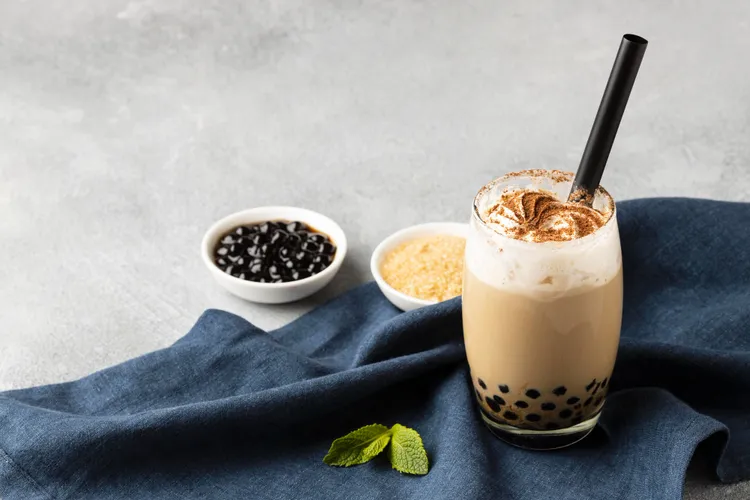
Despite the name, cheese foam doesn't taste cheesy in any obvious way and doesn't use actual cheese in most versions - it's a lightly salted, whipped cream cheese topping that adds a savory contrast to a sweet drink, similar in concept to a salted caramel pairing.
Ingredients
- 2 oz cream cheese, softened to room temperature
- 1/4 cup heavy whipping cream
- 2 tablespoons whole milk
- 1 tablespoon granulated sugar
- 1/4 teaspoon salt
Instructions
- Beat the softened cream cheese in a bowl until completely smooth, with no lumps remaining - this step matters more than it seems, since lumps of cream cheese don't smooth out later once cream is added.
- Add the sugar and salt to the cream cheese and beat until fully combined.
- Slowly pour in the heavy cream and milk while continuing to beat, working in a few additions rather than all at once to avoid a lumpy mixture.
- Continue beating until the mixture is light, airy, and holds soft peaks, similar to lightly whipped cream - this typically takes 2 to 4 minutes with an electric mixer.
- Spoon or pipe a generous layer on top of a finished glass of brown sugar boba, on top of the milk tea rather than mixed in.
- Drink through the foam layer rather than stirring it in, the way most shops serve it, or stir it in if you prefer a more blended result.
Nutrition (per serving)
- Calories: ~95 kcal per serving (about 3 tablespoons of foam)
- Protein: 1g
- Carbs: 4g
- Fats: 8g
Added on top of a standard glass, this brings the total drink closer to the higher end of the range covered in the calorie and sugar breakdown.
Why It's Called "Cheese" Foam
The name comes from the cream cheese base, which gives the foam a very slightly tangy, savory edge compared to plain whipped cream - noticeable but subtle, closer to the way a cream cheese frosting tastes different from a plain buttercream. It's not sharp or overtly cheese-flavored, which is why the naming often surprises people trying it for the first time.
Getting the Right Consistency
The foam should hold its shape well enough to sit on top of the drink without immediately sinking in, but still be soft and pourable enough to drink through comfortably with a wide straw - closer to a thick whipped cream than a stiff, stable meringue. Over-whipping past soft peaks turns it grainy and starts separating the fat, so stop beating as soon as it holds a soft shape rather than continuing until it looks fully stiff like a piped frosting.
Making It Ahead
The foam can be made up to a day in advance and kept refrigerated in an airtight container, though it firms up considerably once cold - let it sit at room temperature for 10 to 15 minutes and give it a brief re-whip before using, since cold cream cheese foam is noticeably stiffer and less pourable straight from the fridge.
Adjusting the Salt Level
The 1/4 teaspoon of salt in this recipe produces a subtle savory contrast rather than an overtly salty topping. For a more pronounced salted version, closer to what some specialty shops serve, increase to 1/2 teaspoon and taste as you go, since salt levels that seem right in the bowl can taste different once layered on top of a very sweet drink.
Common Mistakes
- Not softening the cream cheese first: produces visible lumps that don't fully smooth out, even after extended whipping.
- Over-whipping: turns the foam grainy and can start separating the fat from the liquid. Stop at soft peaks.
- Serving it stirred in from the start: loses the distinct layered presentation and the contrast between the plain milk tea underneath and the savory foam on top, which is most of the appeal.
- Making it too far ahead without accounting for how much it firms up cold: always re-whip briefly after refrigeration.
Frequently Asked Questions
Can I use mascarpone or another soft cheese instead of cream cheese?
Mascarpone works and produces a slightly richer, milder foam than cream cheese, which has a bit more tang. Avoid harder cheeses or anything not specifically soft and spreadable, since they won't whip into a smooth foam the same way.
Why did my foam separate or turn watery after sitting on the drink for a while?
This is normal to some degree - the foam is a whipped dairy product, and it will gradually deflate and blend into the drink the longer it sits, similar to whipped cream on a hot beverage. It's meant to be enjoyed within the first several minutes of the drink being assembled rather than treated as a stable, long-lasting topping.
Is there a lower-fat version of this topping?
Substituting a reduced-fat cream cheese and a lighter cream (like half-and-half instead of heavy cream) is possible, but the foam won't whip up as thick or hold its shape as well, since fat content is part of what gives whipped dairy its structure. Expect a thinner, less stable result with lower-fat substitutions.
Can I flavor the foam beyond just salt and sugar?
Yes - a small amount of vanilla extract, a pinch of matcha powder, or a bit of the brown sugar syrup itself whipped into the base are all common variations that shops sometimes offer, each shifting the flavor slightly while keeping the same basic whipped texture.
Does the foam work on hot drinks too?
It's built for cold drinks and tends to melt quickly on a hot one, similar to whipped cream on hot coffee. For the hot version of brown sugar boba, the foam isn't the best fit - a simple drizzle of extra syrup on top works better for a hot serving.
Making a Larger Batch for a Group
The recipe scales up cleanly by doubling or tripling all ingredients proportionally. Whip in batches if your mixer bowl isn't large enough to handle a tripled recipe evenly, since overcrowding the bowl can lead to uneven whipping and some cream cheese not fully incorporating.
Using It on Other Drinks
This same foam works well on the taro, matcha, and Thai tea variations covered elsewhere in this guide, not just the classic brown sugar version - the savory-sweet contrast pairs naturally with most milk tea bases.
The Difference Between Cheese Foam and Cold Foam
Cold foam, popularized more by coffee chains, is typically just whipped milk or cream without any cream cheese base, giving a lighter, airier texture without the slight tang cream cheese contributes. Cheese foam is denser and richer by comparison, closer to a very light, pourable cream cheese frosting than a simple whipped milk topping - the two aren't interchangeable despite both being poured on top of a cold drink.
Piping vs Spooning the Foam On
Spooning the foam on works fine for a casual home version, but piping it through a piping bag (or even a zip-top bag with a corner snipped off) gives a cleaner, more even layer across the top of the drink and looks closer to a shop presentation. This is purely cosmetic and doesn't affect flavor, but it's a simple upgrade if presentation matters for a particular occasion.
The Origin of Cheese Foam as a Topping
Cheese foam (sometimes also called cheese tea when it's the star of the drink rather than just a topping) originated as its own distinct bubble tea category before becoming a common add-on to other drinks like brown sugar boba. It developed as a way to add a savory, creamy contrast to otherwise straightforwardly sweet tea drinks, and its popularity as a standalone concept predates its more recent role as an optional topping layered onto other established drinks.
Adjusting the Recipe for a Thicker or Thinner Foam
For a noticeably thicker, more stable foam that holds its shape longer on top of a drink, increasing the ratio of cream cheese slightly relative to the liquid (an extra half ounce of cream cheese in this recipe) gives more structure. For a lighter, more pourable foam that blends into the drink faster, reducing the cream cheese slightly and increasing the milk portion loosens the texture. Both directions work reasonably well - it's a matter of preference for how long you want the distinct foam layer to visually persist before it starts mixing into the drink underneath.
Troubleshooting a Foam That Won't Whip Up Properly
If the mixture stays runny and never develops any real body even after several minutes of beating, the most common cause is cream cheese that wasn't fully softened before starting, leaving small unincorporated lumps that prevent the mixture from aerating properly. Letting the cream cheese sit out for a full 30 minutes to an hour before starting, rather than a quick few minutes, usually resolves this. A cold mixing bowl and cold beaters can also help the cream whip more effectively if the kitchen is warm, similar to standard whipped cream technique.
A Note on Freshness
Cream cheese-based foam is a dairy product and should be treated with the same food safety awareness as any whipped dairy topping - don't leave a finished batch sitting out at room temperature for more than an hour or two before refrigerating or using it.
Is It Worth the Extra Step?
For a special occasion or when serving guests, the cheese foam topping is a genuinely worthwhile addition that meaningfully changes the drinking experience with the contrast it adds. For a quick, everyday glass, skipping it entirely and enjoying the classic milk tea and pearls on their own is just as valid - it's an enhancement, not a required part of making brown sugar boba correctly.
Pairing Suggestions Beyond Brown Sugar Boba
Beyond bubble tea entirely, this same salted cream cheese foam works well on other cold drinks that could use a savory contrast - a strong cold brew coffee, a fruit tea, or even a sparkling drink all take well to a spoonful on top, since the technique and flavor profile aren't inherently tied to tea specifically.
A Note on Portion Control
Given its added calorie and sugar contribution, a modest layer (about 2 to 3 tablespoons) delivers the flavor contrast without overwhelming the drink underneath - piling on considerably more than that mostly adds richness without adding much additional flavor benefit, and pushes the total calorie count up faster than the flavor payoff justifies.
This topping is a small addition with an outsized effect on presentation and flavor contrast - worth trying at least once even for someone who ultimately decides to stick with the classic, unfoamed version most of the time. The technique itself, whipped cream cheese into a light, pourable topping, is also useful well beyond this one specific drink.
Make a half batch the first time you try this, since it's easy to end up with more foam than a single drink needs - once you know how much you actually like on a glass, scaling up for a full batch or a group is straightforward from there.
This topping pairs with any of the drinks covered in the brown sugar boba guide, spooned or piped on right before serving for the best texture and presentation.
It's a small finishing touch, but it's the kind of detail that meaningfully closes the gap between a homemade glass and a shop-bought one for anyone chasing that specific presentation.
Once made a couple of times, whipping up this topping becomes a quick five-minute addition rather than a separate project, and it's easy to keep a small batch on hand in the fridge for whenever a drink calls for it. A little planning here pays off across several future glasses at once, since one batch of foam covers multiple servings without any extra effort the second time around, saving real time.
This topping is an optional addition to the classic brown sugar boba milk tea recipe. For the full guide this builds on, see the complete brown sugar boba guide.
Latest