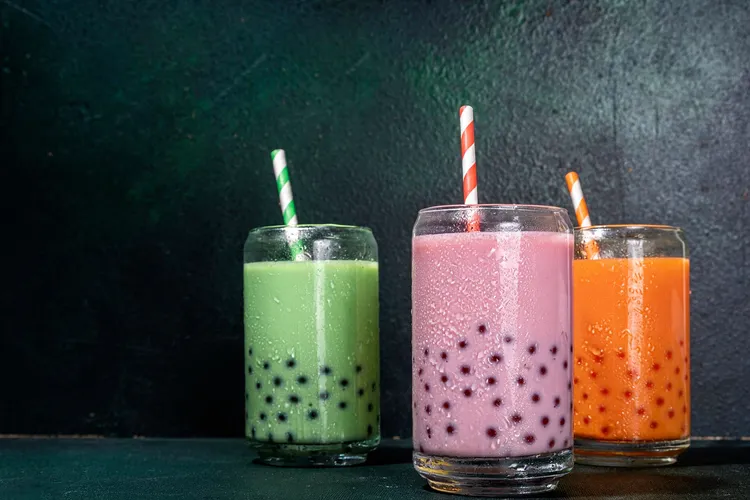
What Equipment You Actually Need to Make Boba at Home
A realistic equipment list for making boba at home - what's genuinely essential, what's helpful, and what specialty gear you can skip entirely.
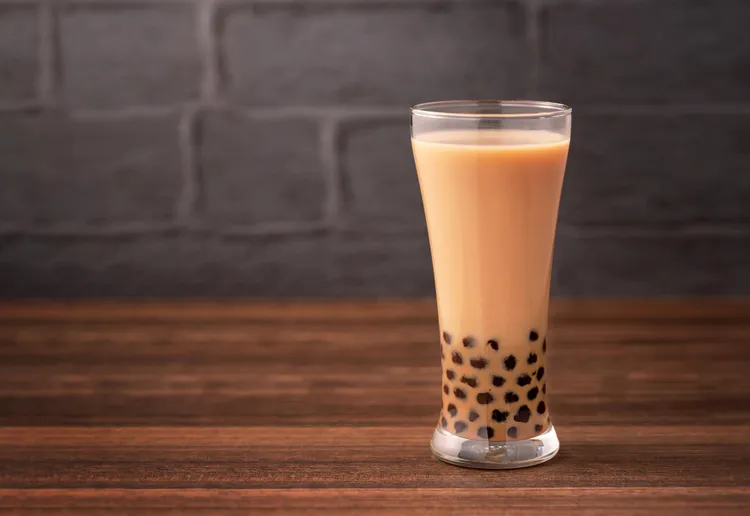
Making boba at home doesn't require any specialty shop equipment beyond one or two inexpensive items. Most of what's needed is already sitting in a typical kitchen.
Essential Equipment
- A medium to large pot: for boiling the tapioca pearls. Needs to be big enough to hold an 8:1 water-to-pearl ratio comfortably - a 3 to 4 quart pot handles a standard single-batch recipe with room to spare.
- A small saucepan: for making the brown sugar syrup separately from the pearl-cooking pot.
- A fine mesh strainer: for draining the cooked pearls without losing any through the holes, which a standard colander's larger holes can let happen with smaller pearl varieties.
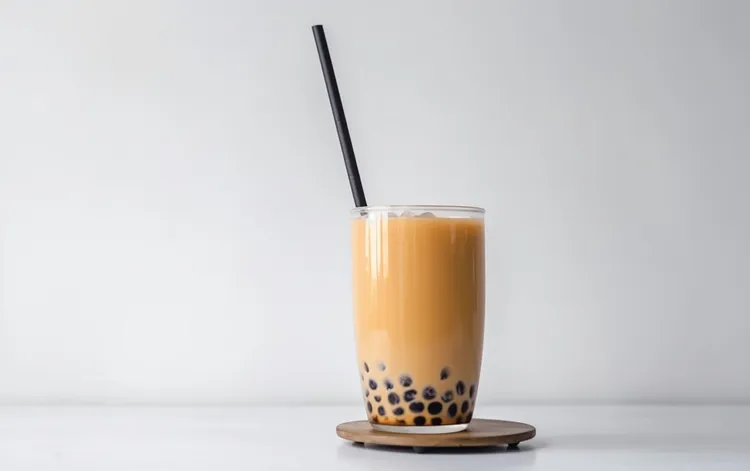
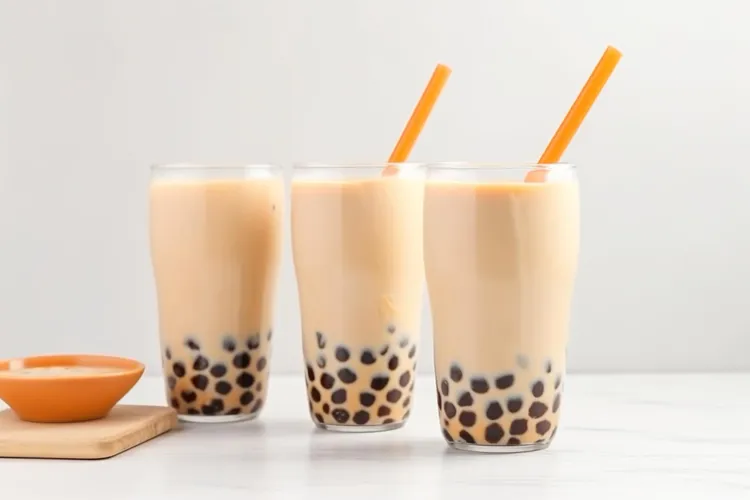
- Wide boba straws: the one genuinely boba-specific purchase worth making. Standard drink straws are too narrow for tapioca pearls to pass through. These are inexpensive and widely sold in bulk packs, often reusable silicone versions or disposable wide-diameter plastic ones.
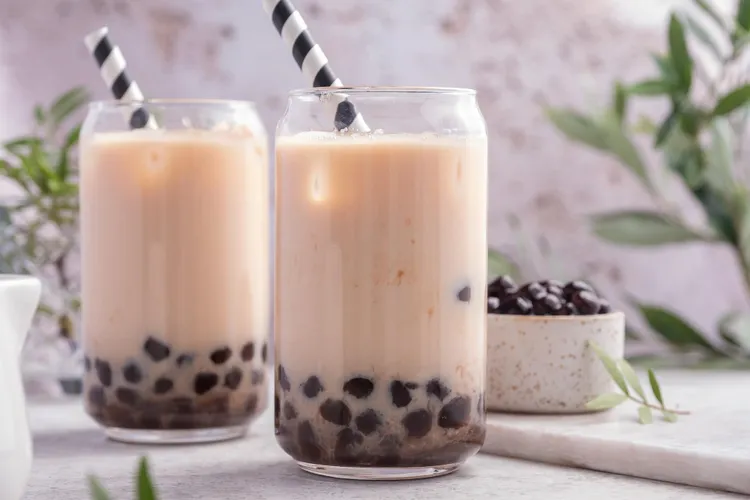
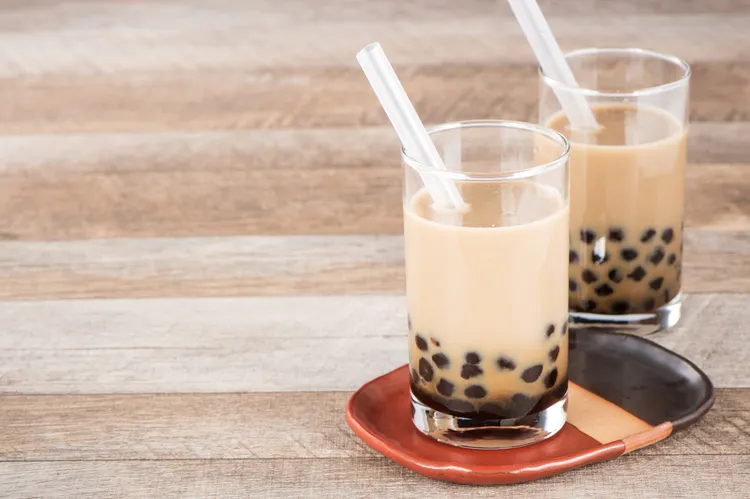
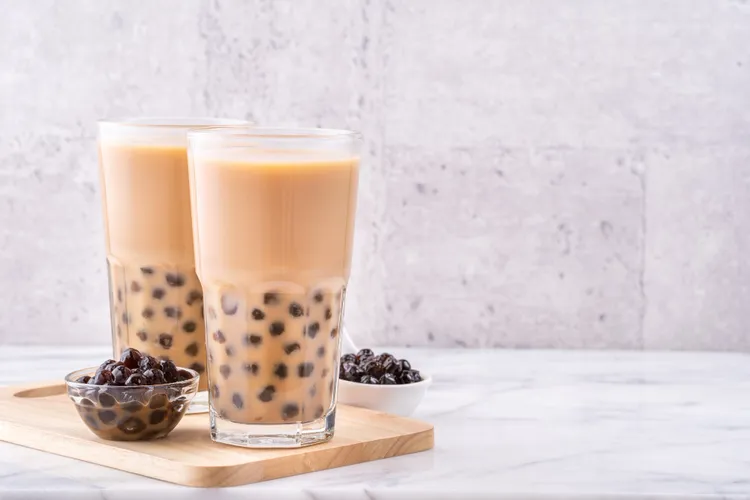
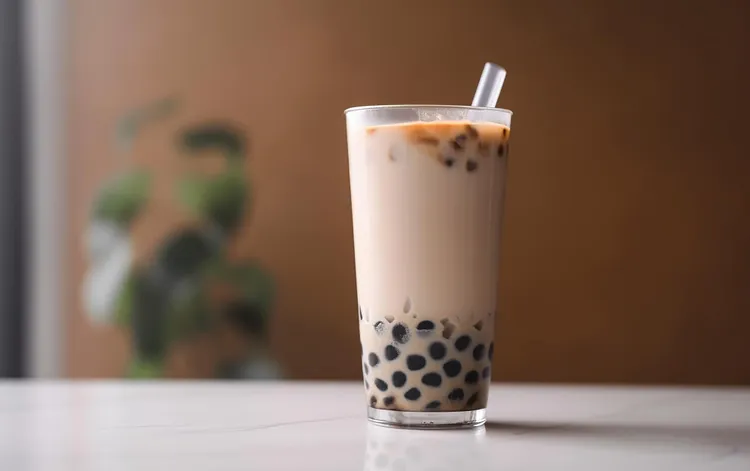
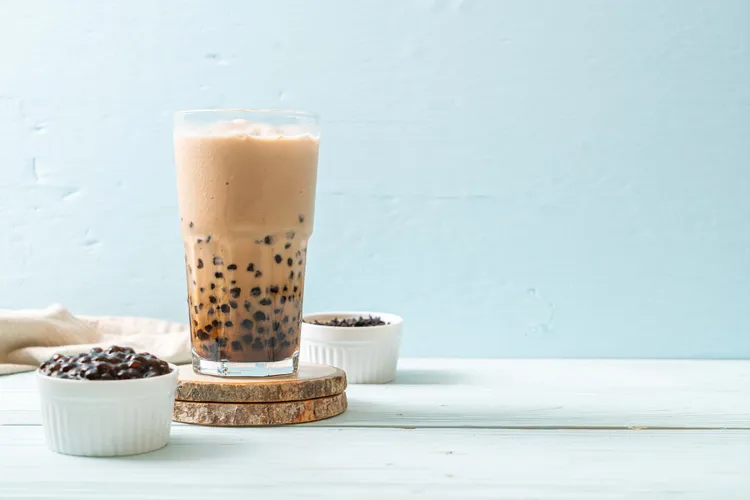
- Tall, clear glasses: for serving. Clear glass matters more than it might seem, since the tiger-stripe visual effect from the brown sugar syrup is a real part of the drink's appeal and doesn't show through an opaque cup the same way.
Helpful But Not Required
- A cocktail shaker or lidded mason jar: useful for shaking the milk and tea together before pouring, giving a slightly frothier, more integrated pour. A jar with a tight lid works just as well as a dedicated shaker for this.
- A kitchen scale: makes the brown sugar syrup ratio more precise than measuring by volume, particularly useful if scaling the recipe up or down for different batch sizes.
- A candy or instant-read thermometer: not strictly necessary for the syrup, since the visual coats-a-spoon test works fine, but useful if you want more precise, repeatable results batch to batch.
- Reusable plastic cups with lids: for anyone wanting the take-out presentation at home, these are sold in bulk online and work with either a straw punched through the lid or, for the full shop effect, a heat sealer.
Genuinely Optional Specialty Items
- A cup sealing machine: the countertop machines that heat-seal a plastic film over the top of a cup, exactly like shop takeout cups. These are a real purchase for anyone who wants that specific presentation regularly, but they add real cost and counter space for something that a simple lid accomplishes functionally, if not visually.
- A tapioca pearl scoop: a slotted spoon designed specifically for portioning pearls. A regular slotted spoon or small ladle does the same job.
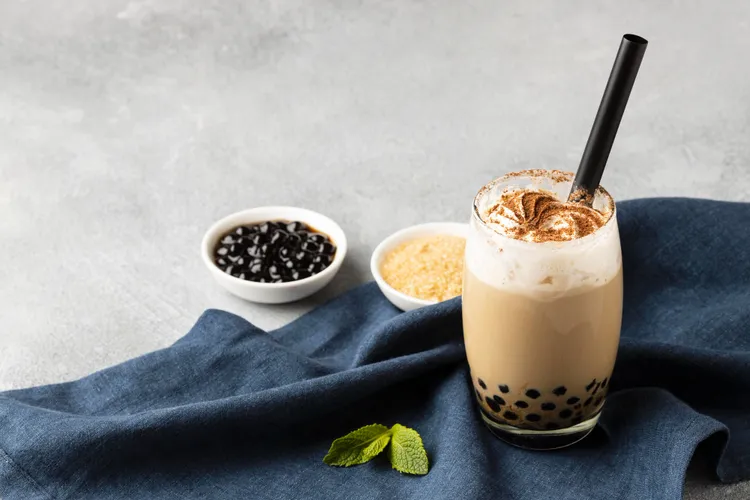
- An electric milk frother: useful specifically for the cheese foam topping, though a hand mixer or even vigorous whisking by hand works too, just with more effort.
What You Genuinely Don't Need
A lot of "boba starter kits" sold online bundle in items that don't add real functional value for home use - decorative cup molds, branded stirrers, and pre-portioned syrup packets are all things a regular kitchen already has equivalents for. The core process only depends on a pot, a strainer, and something wide enough to sip pearls through; everything past that is about presentation rather than the drink actually working.
Frequently Asked Questions
Do I really need wide straws, or will a regular straw work with smaller pearls?
Even smaller quick-cook pearls are generally too large for a standard drink straw's diameter, so wide boba straws are worth the small investment regardless of which pearl size you're using. They're inexpensive enough that this isn't a significant expense either way.
Can I reuse plastic boba straws, or are they meant to be disposable?
Standard plastic boba straws are typically single-use, but reusable stainless steel or silicone wide straws (sold specifically for bubble tea) are widely available and hold up to repeated washing and use, which is worth considering if you're making this drink regularly rather than as an occasional treat.
Is a cocktail shaker actually necessary for a good result?
No - it's a nice-to-have that gives a slightly frothier pour when shaking the tea and milk together before adding to the glass, but the classic layered, striped presentation in this guide's main recipe doesn't rely on shaking at all. A shaker is more relevant to a fully mixed, blended-style milk tea than the layered brown sugar version.
What's the benefit of a cup sealing machine if a lid works fine functionally?
The main benefit is purely aesthetic and experiential - it replicates the exact shop takeout presentation, including being able to shake a sealed cup without spilling, which some people specifically enjoy as part of the ritual. Functionally, a drink with a straw poked through a regular lid works identically in terms of taste and drinkability.
Is it worth buying a dedicated tapioca pearl scoop?
Not really for occasional home use - any slotted spoon or small ladle serves the same purpose of lifting pearls out of syrup or cooking water without excess liquid. A dedicated scoop is more relevant for someone making boba in higher volume regularly, where the specific shape offers a small efficiency gain.
A Simple Starter Setup
For someone making brown sugar boba for the first time, the realistic minimum setup is: a pot already in the kitchen, a small saucepan already in the kitchen, a fine mesh strainer (if one isn't already on hand), and a pack of wide boba straws. Everything else on the lists above can be added later if it turns out you're making this regularly enough to want the extra convenience or presentation.
Approximate Startup Cost
For someone starting from a completely bare kitchen with none of the above, wide boba straws and a fine mesh strainer are the two purchases worth making specifically for this, typically totaling under $15 combined and lasting through dozens of batches. Everything else on the essential list is standard kitchen equipment most people already own.
Cleaning and Maintaining Your Equipment
The main thing worth watching is syrup residue - brown sugar syrup hardens as it cools and can be genuinely difficult to scrub off a pan if left to sit for long after use. Fill any pan that held syrup with hot water shortly after cooking, well before it fully cools, to keep cleanup manageable. Reusable straws, if using them, are worth cleaning with a dedicated narrow straw brush, since standard sponges and dish brushes can't reach effectively into a straw's full length.
Setting Up an Efficient Workflow
For repeated use, keeping the strainer, wide straws, and a dedicated small saucepan for syrup all stored together in one spot cuts down on the setup time each time you decide to make a glass, especially useful if this becomes a regular weekend routine rather than an occasional project. A small dedicated shelf or bin in the pantry for boba-specific supplies (pearls, straws, taro or matcha powder if using the flavor variations) keeps everything easy to find without digging through general pantry stock.
Equipment for Serving a Group Comfortably
If making boba for several people regularly, a few additional items make the process smoother without being strictly required for a single glass: a larger stockpot for cooking bigger batches of pearls at once, a set of matching tall glasses so everyone's drink looks consistent, and a tray for carrying multiple assembled drinks at once if serving outside or across a larger table. None of these change the technique - they're purely about managing volume and convenience once you're regularly making this for more than one or two people at a time.
Budget vs Premium Equipment Choices
For nearly every item on the lists above, there's a meaningful price range between a basic version and a premium one, and for a drink this simple to make, the basic version is genuinely sufficient in almost every case. A $3 plastic mesh strainer performs the same core function as a $20 stainless steel one; a pack of disposable wide straws works as well as reusable metal ones for someone making this occasionally rather than daily. The one area where spending a bit more can make a real, noticeable difference is a genuinely non-stick or heavy-bottomed saucepan for the syrup, since a poor-quality thin pan is more prone to scorching sugar unevenly, which does affect the final result.
Repurposing Equipment You Already Own
Most of what's needed for this guide likely already exists somewhere in a typical kitchen under a different intended purpose - a pasta strainer works as the pearl strainer, a jam or canning jar with a lid works as a shaker, and a candy thermometer meant for caramel or fudge works just as well for checking syrup consistency if you want a more precise readout than the visual coats-a-spoon test. There's rarely a genuine need to buy anything beyond wide straws specifically for this project if you're starting from a reasonably well-equipped home kitchen.
A Final Checklist
Before your first attempt, confirm you have: a pot, a small saucepan, a fine mesh strainer, and wide straws. That's genuinely enough to get started with a full glass of brown sugar boba from this guide.
Growing Your Setup Over Time
There's no need to buy everything on the optional or specialty lists up front. Start with the essentials, make a few glasses, and only add extra equipment like a sealing machine or a milk frother if it turns out this becomes a regular enough habit that the convenience genuinely justifies the extra purchase and counter space.
Where to Buy Boba-Specific Supplies
Wide straws, cup sealing supplies, and dedicated boba scoops are all widely available through general online retailers and specialty boba supply shops, often sold in bulk packs that work out cheaper per unit than smaller convenience packages found at some grocery stores. For anyone in an area with a dedicated Asian grocery store nearby, checking there first is often the most cost-effective option, since many carry basic boba supplies alongside the ingredients themselves.
It's easy to over-invest in gear before even confirming you enjoy making this drink regularly. Starting minimal, with just the essentials, and adding equipment only once a genuine pattern of regular use is established, is the more sensible approach for most people trying this for the first time.
Good boba doesn't depend on good equipment nearly as much as it depends on getting the pearl and syrup technique right - keep that in mind before spending more than necessary on gear that won't meaningfully change the outcome. A well-stocked kitchen and a couple of small, inexpensive purchases are genuinely all it takes to get started.
This equipment list covers everything needed for every recipe in the brown sugar boba guide, from the base pearl and syrup technique through every flavor variation and topping covered elsewhere in this series.
None of it requires a special trip beyond wide straws and, if not already on hand, a fine mesh strainer - everything else is standard kitchen equipment most people already own, and the drink comes together just as well with a modest setup as with a fully specialized one.
Focus the actual investment on good ingredients - fresh pearls, real brown sugar, a decent black tea - rather than on gear, and the results will reflect that priority far more than any equipment upgrade would.
Equipment can always be added later as needed, but a batch of pearls cooked from stale, poor-quality tapioca or a syrup made from an inferior brown sugar won't be rescued by a fancier straw or a nicer glass. Ingredients first, equipment second - that ordering serves this drink well, and it's a good general principle to carry into any new kitchen project.
This equipment list supports every recipe in the full brown sugar boba guide, from the base tapioca pearl technique through the flavor variations covered elsewhere in this series.
Latest