Where Brown Sugar Boba Actually Came From (A Short, Accurate History)
The real, more recent origin of brown sugar boba versus older pearl milk tea, including where the tiger-stripe style and the Tiger Sugar name actually came from.
Brown sugar boba's origin gets muddled a lot in casual retellings, partly because it's often lumped together with the much older history of bubble tea itself. The two are related but distinct - pearl milk tea goes back decades further than the brown sugar version most people know today.
Bubble Tea's Older History
Bubble tea, in its original pearl milk tea form, is generally traced to Taiwan in the 1980s, developed by tea shops experimenting with adding tapioca pearls (already a familiar dessert ingredient in Taiwanese cuisine) to cold, shaken milk tea. Several Taiwanese tea shops have historically claimed to be the original inventor, and the exact first shop is genuinely disputed rather than settled - what's well documented is that the drink spread rapidly through Taiwan through the late 1980s and 1990s before expanding internationally through the 1990s and 2000s, first to other parts of Asia and eventually to North America and beyond.
Brown Sugar Boba Specifically Is Much More Recent
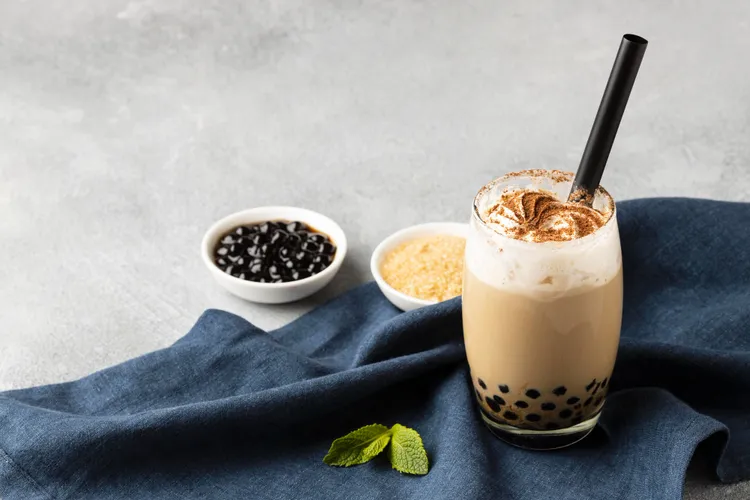
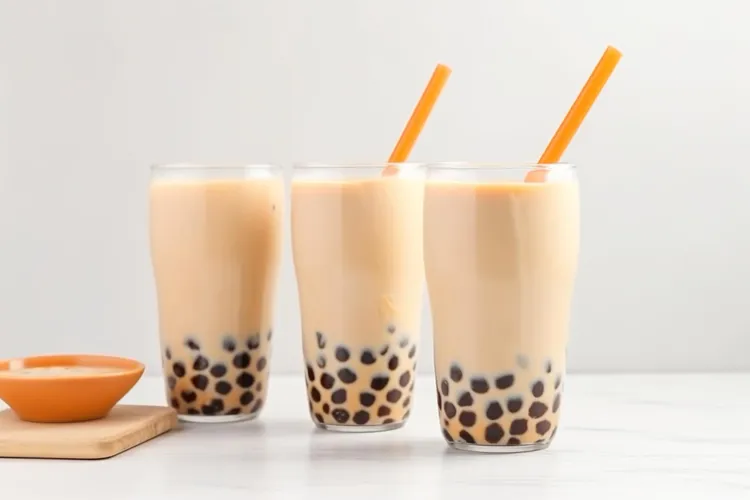
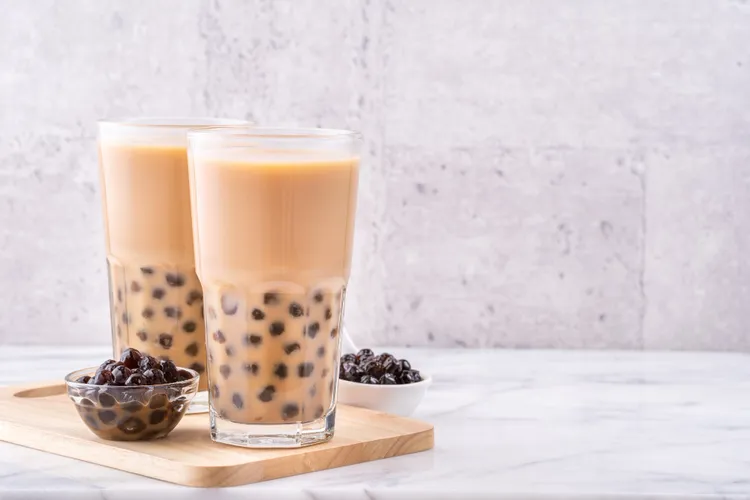
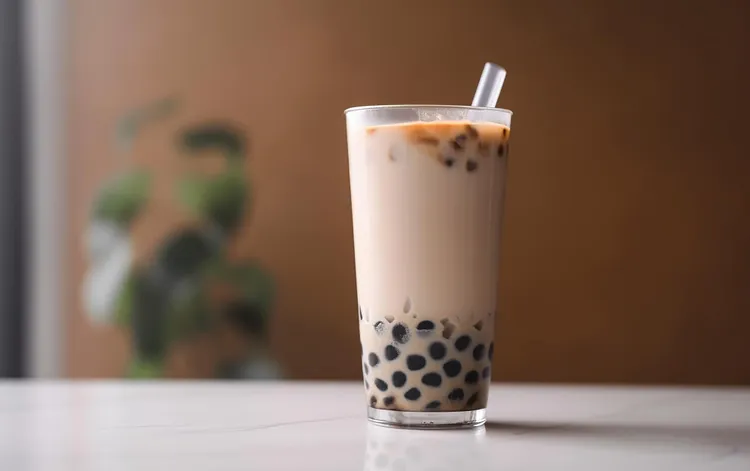
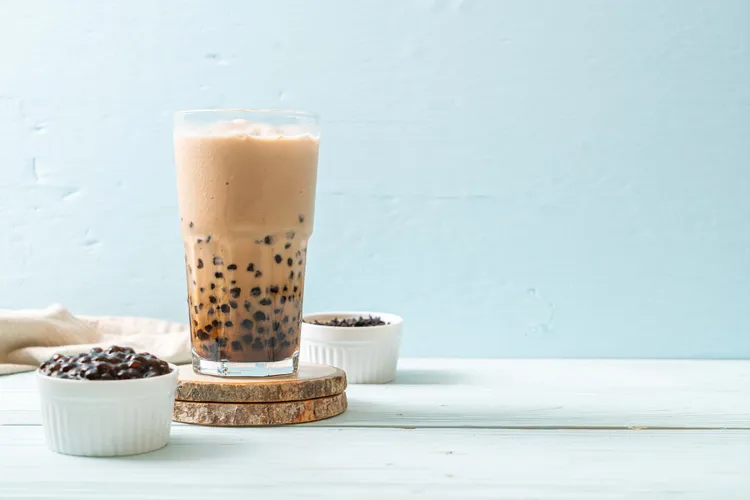
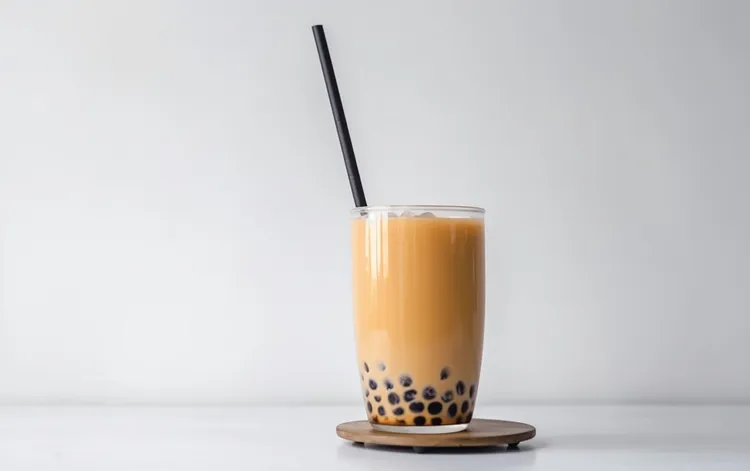
The brown sugar version - with pearls cooked directly in a dark caramelized syrup and the tiger-stripe glass presentation - is a considerably newer development, generally traced to Taiwanese tea shops in the mid-2010s, with the style gaining major international attention and spreading widely starting around 2018. This is a meaningfully different timeline than plain pearl milk tea, and treating the brown sugar version as equally old is a common inaccuracy in casual food writing on the topic.
Why It Spread So Fast
Brown sugar boba's rapid international popularity in the late 2010s is generally attributed to a combination of factors: it photographed well for social media given the striking tiger-stripe visual, it offered a genuinely distinct flavor profile from standard bubble tea (deep caramel rather than a more neutral sweetened tea taste), and it arrived during a period when specialty tea shop chains were actively expanding into markets outside Asia, giving the drink a wide distribution network right as interest in it was building.
The "Tiger Sugar" Name Specifically
Tiger Sugar is the name of a specific Taiwanese tea shop chain, not a generic term for the drink style, though the name has become widely (if inaccurately) used as a catch-all term for brown sugar boba in general, similar to how some brand names become generic descriptors for a broader product category over time. The chain itself opened its first location in Taichung, Taiwan, and expanded internationally as brown sugar boba's popularity grew, but plenty of other tea shops make their own versions of the same drink under different names.
How the Recipe Has Evolved Since
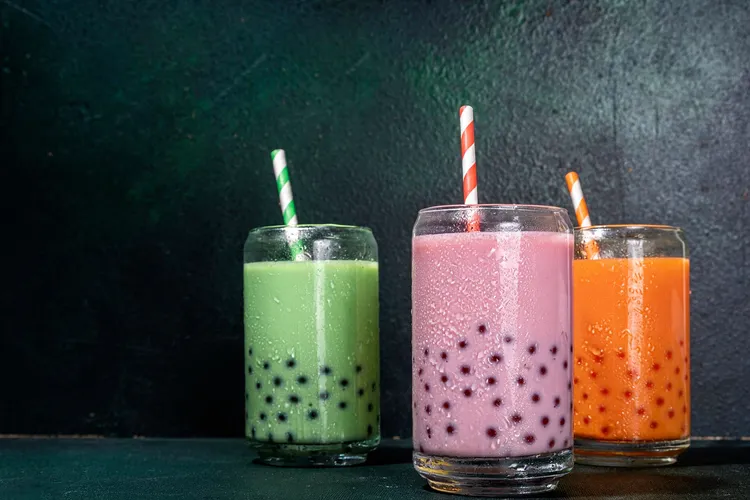
Since its initial spread, brown sugar boba has picked up a number of common variations that weren't part of the earliest versions - the cheese foam topping, flavor-base swaps like taro and matcha, and lower-sugar options at many shops all developed as the drink matured from a specific novelty item into a standard menu category most bubble tea shops now carry as a baseline option alongside classic pearl milk tea.
Why the Distinction Matters
Understanding that brown sugar boba is a specific, fairly recent style - not simply "bubble tea" in general, and not something with decades of tradition behind the exact recipe - helps set accurate expectations about what's actually being recreated at home. It's a modern variation built on a much older base technique, and both pieces are worth understanding on their own terms rather than treating the whole category as a single, uniformly ancient tradition.
Frequently Asked Questions
Did Tiger Sugar invent brown sugar boba, or just popularize it?
This is genuinely disputed and hard to pin down precisely, since a number of Taiwanese tea shops were experimenting with brown sugar and tiger-stripe presentations around the same general period in the mid-2010s. Tiger Sugar is the chain most credited with popularizing the style internationally starting around 2018, which is different from being verifiably the first shop to create it.
Why do so many articles say brown sugar boba is "traditional" or "centuries old"?
This is a common conflation between the older history of pearl milk tea in general (which does have several decades of history in Taiwan) and the specific brown sugar, tiger-stripe style, which is considerably newer. A lot of casual food writing doesn't distinguish clearly between the two, leading to an inflated sense of how old the specific brown sugar version actually is.
Is brown sugar boba considered a fad, or has it become a permanent menu staple?
By this point it's fair to call it an established, permanent category rather than a passing trend - most bubble tea shops now carry some version of it as a standard menu item well after the initial 2018-era social media wave died down, similar to how other once-trendy drink styles eventually settle into being a normal, ongoing option rather than disappearing.
Did brown sugar boba originate from an older Chinese dessert tradition?
Brown sugar as a flavor in Chinese and Taiwanese desserts does have a much longer history - brown sugar water, brown sugar cakes, and similar preparations go back considerably further than bubble tea itself. The brown sugar boba drink specifically is better understood as a modern combination of that older brown sugar dessert tradition with the newer bubble tea format, rather than as an ancient drink in its own right.
Has the recipe changed much since brown sugar boba first became popular?
The core technique - pearls cooked in syrup, striped glass - has stayed fairly consistent, but the range of variations (flavor swaps, cheese foam, lower-sugar options) has expanded considerably as the drink moved from a single novelty item to a broader menu category, as covered above.
How Brown Sugar Boba Spread Outside Taiwan
The drink's international spread through 2018 and 2019 followed a pattern common to a number of Taiwanese food and drink trends of that era - initial popularity within Taiwan, rapid documentation and sharing on social media platforms, then expansion driven both by existing Taiwanese tea shop chains opening international locations and by other, unrelated shops in different countries developing their own versions after seeing the format online. This combination of organic imitation and direct chain expansion is part of why brown sugar boba appeared on menus in many different countries within a relatively compressed timeframe rather than spreading gradually over many years the way some earlier bubble tea trends had.
Why This History Gets Simplified So Often
Food trend histories in general tend to get compressed and simplified as they're retold, especially online, where a drink's actual multi-shop, somewhat disputed origin story is less compelling than a single clean narrative crediting one specific inventor or moment. This is a common pattern well beyond boba - plenty of well-known dishes and drinks have similarly contested or blurred origin stories that get flattened into a tidier, more marketable version over time as they gain wider popularity.
How This Fits Into Taiwan's Broader Tea Culture
Taiwan has a long-standing, well-developed tea culture that predates bubble tea by a considerable margin, encompassing everything from traditional loose-leaf tea ceremonies to the more casual, fast-paced tea shop culture that eventually gave rise to bubble tea in the 1980s. Understanding brown sugar boba as one relatively recent branch of this much larger, older tea tradition - rather than as a standalone invention disconnected from any broader context - gives a more accurate picture of where it actually sits within Taiwanese food and drink history as a whole.
What's Genuinely Well-Documented vs What's Disputed
The broad timeline - bubble tea emerging in Taiwan in the 1980s, brown sugar boba specifically emerging as a distinct style in the mid-2010s, and international popularity building rapidly from 2018 onward - is well supported across multiple sources and generally not in serious dispute. What remains genuinely contested is the more granular question of exactly which shop or individual first combined brown sugar syrup with tapioca pearls in this specific tiger-stripe format, since several shops have made competing claims and there's no single, universally agreed-upon documented "first" moment the way there sometimes is with other food inventions.
Why Accurate History Matters for a Recipe Guide
Getting this timeline right isn't just a matter of trivia - it shapes how the drink should be talked about and represented. Calling brown sugar boba an "ancient" or "traditional" drink, as some casual food content does, misrepresents both its actual novelty and, in a small way, undersells how much creative development has happened within Taiwanese tea shop culture in just the last decade. A more accurate framing credits it as a genuinely modern innovation built on a real, older foundation, which is a more interesting and more honest story than a vague, undated "tradition" label would suggest.
A Brief Timeline
- 1980s: Pearl milk tea develops in Taiwan.
- 1990s-2000s: Bubble tea spreads across Asia and internationally.
- Mid-2010s: Brown sugar boba develops as a distinct style in Taiwan.
- 2018 onward: International popularity surges, led by chains like Tiger Sugar.
Where Things Stand Today
Brown sugar boba has settled into being a standard, permanent fixture on most bubble tea menus worldwide, no longer treated as a novelty but as one flavor category among many, alongside the taro, matcha, and Thai tea variations covered elsewhere in this guide. It's a reasonably rare example of a fast-moving food trend that's held onto genuine staying power well past its initial viral moment.
What This Suggests About Its Future
Drinks and dishes that survive the initial trend cycle and settle into permanent menu status, as brown sugar boba appears to have done, tend to do so because they offer something genuinely distinct rather than relying purely on novelty or social media visibility to sustain interest. The specific combination of caramelized flavor, chewy texture, and visual presentation gives it a real, ongoing appeal independent of whatever originally drove its rapid 2018-era spread.
Knowing the real, fairly recent history behind this drink doesn't make it any less enjoyable to make and drink - if anything, understanding it as a genuinely modern, still-evolving style makes it easier to feel comfortable experimenting with your own variations, rather than treating it as a fixed, traditional recipe that shouldn't be adjusted.
Wrapping Up
Brown sugar boba's short but genuinely eventful history - from a specific mid-2010s Taiwanese innovation to a permanent global menu fixture in under a decade - is a reminder that a drink doesn't need centuries of tradition behind it to earn a lasting place in how people actually eat and drink day to day, and that context is part of what makes it worth understanding alongside actually making it.
Where This Fits
For the technique behind actually recreating what this history describes, see the complete brown sugar boba guide, including the tapioca pearl and brown sugar syrup techniques that form its foundation.
Whether the specific first shop is ever definitively settled or not, the drink itself has clearly earned its place well beyond its original novelty status, and that's ultimately the more useful thing to take away from this history for anyone actually planning to make a glass at home.
A drink doesn't need a perfectly documented, singular origin story to be worth making well - and brown sugar boba's real history, contested details and all, is still a more interesting starting point than the flattened, generic version that circulates most widely.
Knowing that history doesn't change how the drink tastes, but it does add a genuine layer of context to something that might otherwise seem like just another sweet trend rather than a specific, traceable piece of recent Taiwanese tea shop innovation, and a genuinely worthwhile bit of context to carry into the kitchen the next time a glass gets made, giving a bit more meaning to what might otherwise feel like just another sweet drink picked up on a whim.
For the technique behind actually making the drink this history describes, see the complete brown sugar boba guide, including the tapioca pearl and brown sugar syrup techniques that form its foundation.
Latest