Brown Sugar Boba (Bubble Tea) at Home: Tapioca Pearls Without a Trip to the Shop
A complete guide to making brown sugar boba at home - cooking tapioca pearls, building the caramelized syrup, and assembling the tiger-striped milk tea, with vegan and low-sugar variations.
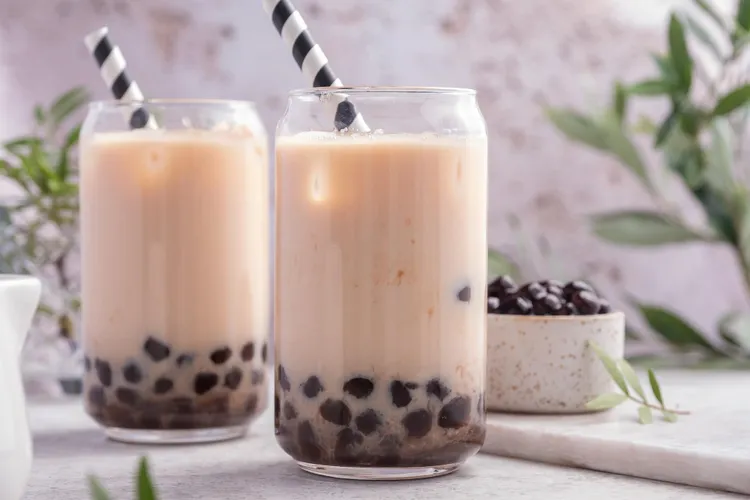
A cup of brown sugar boba at a shop runs $5 to $7 depending on your city. The version you make at home costs closer to $0.75 to $1.25 per serving once you've bought the pearls and brown sugar, and you control exactly how sweet it is - most shop versions are sweeter than they need to be. The whole process breaks down into three parts: cooked tapioca pearls, a brown sugar syrup, and a milk tea base, assembled cold over ice.
What Brown Sugar Boba Actually Is
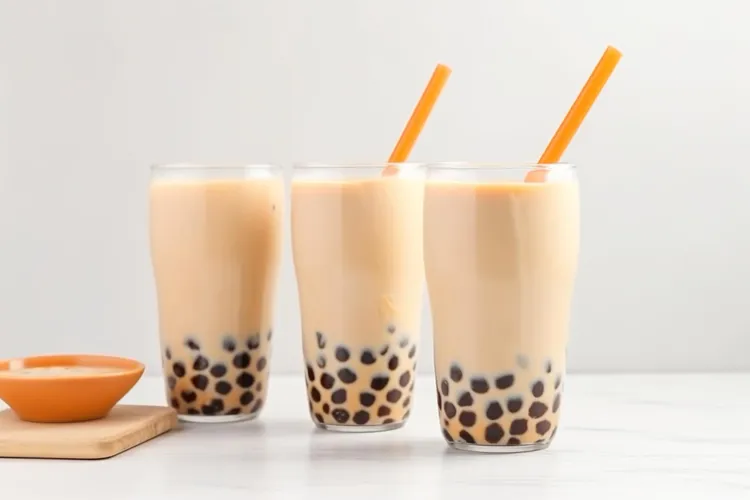
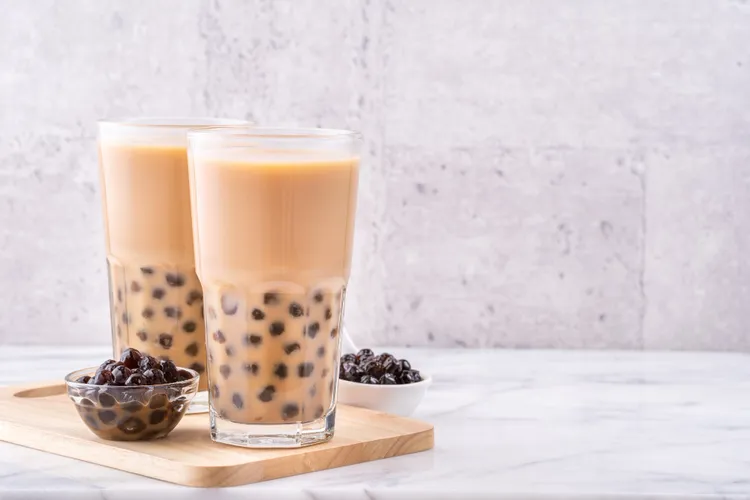
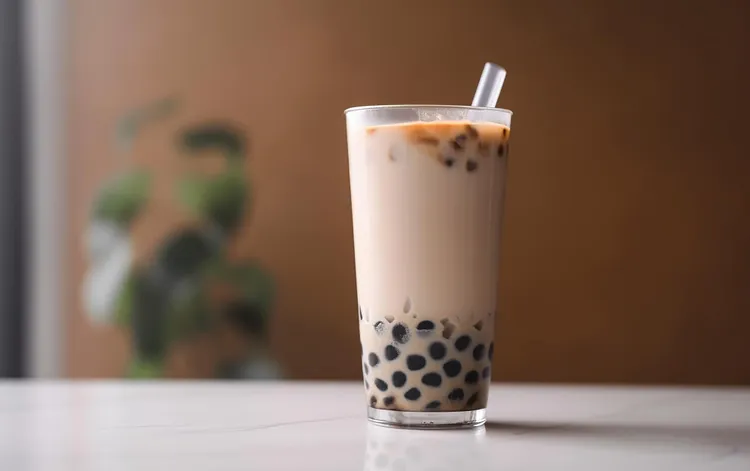
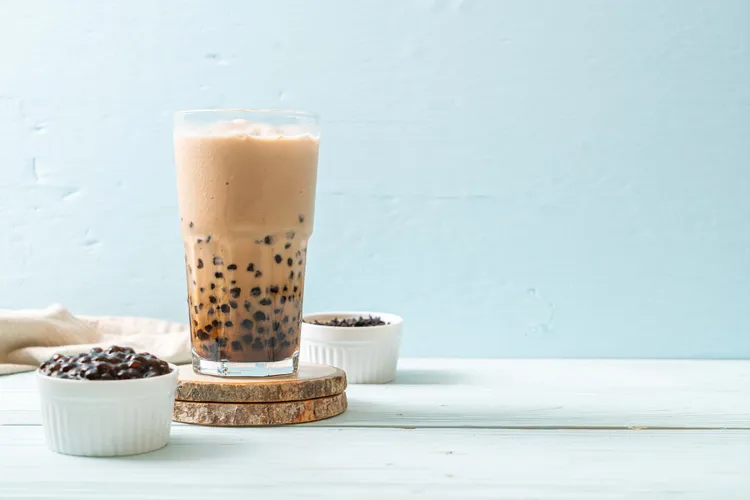
Brown sugar boba (sometimes called black sugar boba or tiger sugar milk tea) is a specific style of bubble tea where tapioca pearls are cooked directly in a dark brown sugar syrup rather than a plain sugar syrup, then that same syrup is drizzled down the inside of the glass before the milk and ice go in. As the milk settles, the syrup streaks down in dark stripes - this is the "tiger stripe" effect the drink is known for. It's a relatively recent variation on much older Taiwanese pearl milk tea, and it's worth knowing where the trend actually came from versus the marketing version of the story, since the real timeline is more recent and more specific than most people assume.
It's also worth separating brown sugar boba from a couple of drinks it often gets lumped in with. Classic pearl milk tea uses a plain sugar syrup and doesn't aim for any stripe effect at all - it's closer to sweetened iced tea with pearls added. "Tiger sugar" is a specific chain's branded version of this same drink, not a separate style, though the name has stuck as a generic descriptor in a lot of home recipes. And boba with fruit-flavored "popping" pearls is an entirely different product using a gel-based sphere rather than cooked tapioca starch, made through a completely different process that isn't covered in this guide.
The Three Components
Every cup breaks down into the same three pieces, and getting each one right matters more than any single "secret" ingredient. First, properly cooked tapioca pearls - chewy on the outside with a slight bite in the center, not hard, not mushy, and not dissolving into the syrup. Second, a brown sugar syrup that's been reduced enough to coat a spoon and hold together in stripes down the glass, rather than a thin syrup that just muddies into the milk. Third, a milk tea base - most commonly whole milk and brewed black tea, though the full milk tea recipe covers the ratio that keeps it from tasting watery or overly milky.
What You Need Before You Start
None of this requires specialty bubble tea equipment. A rundown of what you actually need to make boba at home covers the short list - a fine mesh strainer, wide straws (these are the one genuinely boba-specific item worth buying), and something to seal a cup if you want the shop-style presentation. A cocktail shaker helps but isn't required; a mason jar with a lid works fine for shaking the milk portion.
Step by Step: Making a Cup at Home
Cook the tapioca pearls, then let them sit in the brown sugar syrup for at least 10 minutes so they absorb some of it rather than staying separate. While the pearls rest, brew your tea and let it cool most of the way - hot tea poured directly over ice waters itself down before it ever hits the milk. Coat the inside of a glass with extra brown sugar syrup, add the syrup-soaked pearls to the bottom, fill with ice, then pour the milk tea in slowly so it doesn't disturb the syrup coating on the glass walls. The full recipe has exact measurements and timing for all of this in one place, and a separate look at iced versus hot versions covers whether this same technique works if you'd rather skip the ice entirely.
Order matters more than it seems like it should. Coating the glass before anything else goes in is what actually produces the stripe effect - pour the syrup into an empty glass, tilt and rotate it so the syrup runs down in a few thick lines, then let it sit for a minute before adding ice. Adding the milk too quickly, or pouring it straight down the center instead of over the back of a spoon, disturbs the layering and mixes everything into a uniform tan color before you've even had a sip.
Sourcing Tapioca Pearls and Brown Sugar
Dried black tapioca pearls are sold at most Asian grocery stores and increasingly at regular supermarkets near the international or specialty baking aisle. Look for a package that lists tapioca starch as the primary ingredient rather than a blend padded out mostly with other starches, since those tend to hold their texture less consistently. For the syrup, dark brown sugar or a Chinese or Taiwanese "brown sugar slab" (sometimes labeled as slab sugar or wapian) gives a deeper, more molasses-forward flavor than standard American light brown sugar, though regular dark brown sugar is a perfectly workable substitute if that's what's already in the pantry.
Scaling This Up for a Group
The syrup and pearls both scale cleanly - doubling or tripling the syrup batch works without adjustment, and extra cooked pearls can sit in their syrup, covered, at room temperature for a few hours while you work through a group's worth of drinks (though not much longer than that; see the storage guide below for the actual limits). The one part that doesn't scale well is brewing tea in advance for a large batch and expecting it to taste the same hours later - tea left steeping too long turns bitter, and tea that's been sitting since morning loses aromatic strength. For a group, brew a concentrated batch specifically meant to be diluted with ice, rather than trying to stretch a single normal-strength batch across more glasses than it was meant for.
Getting the Tapioca Pearls Right
This is the step people get wrong most often, and it's almost always a timing issue rather than an ingredient problem. Pearls need a real boil, not a simmer, and they need to rest off the heat afterward - skipping the rest step is the single most common reason pearls turn out chewy on the outside but chalky in the center. The full tapioca pearl cooking guide walks through the water ratio and timing in detail. If yours have already gone wrong, the troubleshooting guide covers the specific fixes for hard, chalky, or falling-apart pearls, and it's worth reading before you assume you need to start over.
There's also a real difference between the tapioca pearls sold in most grocery stores and the ones from a dedicated Asian grocery or online specialty shop, and it affects both cook time and final texture. The comparison of quick-cook versus traditional tapioca pearls covers which type is worth seeking out and which is fine to grab off a regular shelf. And because pearls genuinely don't hold up well once refrigerated, it's worth reading how to store and reheat leftovers before you cook a batch larger than you'll use same-day.
The Brown Sugar Syrup and the Tiger Stripe Effect
The syrup is what separates brown sugar boba from a standard bubble tea. It needs to be dark, genuinely caramelized rather than just melted, and thick enough to cling to the inside of a glass without immediately sliding down into a puddle at the bottom. The syrup guide covers the ratio and the specific heat and timing that gets you there, along with the actual technique for getting a clean tiger-stripe pour rather than a smudged one.
Dietary Variations
The base recipe uses whole milk and full-sugar syrup, but both pieces adapt well. For a dairy-free version, oat milk holds up noticeably better than almond milk here, since almond milk tends to separate against the tea's tannins - the vegan brown sugar boba guide covers the milk options that actually work and a full plant-based version of the recipe. For a lower-sugar version, the syrup can be cut back further than most recipes suggest without losing the caramel flavor that makes brown sugar boba distinct from a plain sugar version - see the low-sugar variation guide for the adjusted ratio and what tradeoffs to expect in stripe thickness and pearl sweetness.
Beyond Basic Milk Tea
Once the base technique is solid, there's real room to build on it. A lot of shops top brown sugar boba with a salted cream foam layer rather than serving it plain - the cheese foam topping guide covers how to whip that up at home despite the name, since it doesn't actually contain cheese. And the same pearls and syrup work as a base for other flavor directions entirely - the rundown of taro, matcha, and Thai tea variations swaps the black tea base while keeping the same pearl and syrup technique underneath.
Calories and Cost Compared to the Shop
A shop-bought brown sugar boba milk tea, full-size, typically runs 350 to 450 calories with 55 to 70 grams of sugar, most of it from the syrup rather than the milk. The homemade version lands in a similar range if you use the same amount of syrup, but since you're controlling the pour yourself, cutting the syrup by even a third barely changes the flavor while meaningfully cutting the sugar count. The full calorie and sugar breakdown compares a standard homemade cup against a typical shop version line by line, which is useful if you're trying to work this into a regular routine rather than an occasional treat.
Common Mistakes to Avoid
The most common mistake is treating tapioca pearls like pasta - a light boil and immediate draining leaves the centers hard and starchy. They need a hard boil followed by a genuine covered rest off the heat. The second is making the syrup too thin, which produces a milky, uniform brown drink instead of a layered one with visible stripes; the syrup needs to reduce until it visibly coats a spoon. The third is pouring hot tea straight over ice, which dilutes the whole drink before the milk even goes in - cool the tea first, or make a stronger-than-usual batch specifically to account for the dilution.
A fourth, less obvious mistake is refrigerating leftover cooked pearls. Tapioca firms up and turns unpleasantly stiff in the fridge within a few hours in a way that doesn't fully reverse even after reheating - see the storage guide for the actual window you're working with and how to salvage pearls that have already firmed up.
A fifth mistake is skipping the glass-coating step and just stirring the syrup directly into the finished drink. It tastes similar either way, but the tiger-stripe presentation is most of what distinguishes this drink visually from a regular milk tea, and it takes an extra 30 seconds to do properly - not doing it means you've made a brown sugar version of a plain bubble tea rather than the actual drink this guide is about.
Why This Is Worth Making at Home
Brown sugar boba isn't a complicated drink once you understand what each of the three components is doing - it just has more steps than most people expect from something that looks like "just milk tea with balls in it." Once the pearl and syrup technique is dialed in, the actual assembly takes about five minutes per glass, and it scales up easily for a group without multiplying the effort the way a shop order would multiply the price. The biggest quality difference between a homemade version and a shop one usually comes down to freshness - pearls made and used within the hour taste noticeably better than pearls that have been sitting in syrup in a shop's fridge since that morning, which is an advantage a shop simply can't offer no matter how good their base recipe is.
Where to Go Next
Start with the tapioca pearl cooking guide and the brown sugar syrup guide if you're making this for the first time - those two techniques are the foundation everything else in this guide builds on. Once those are comfortable, the full milk tea recipe ties them together into a finished glass, and the vegan, low-sugar, and flavor-variation guides linked throughout this article cover the ways to adapt it from there.
Latest