Brown Sugar Bubble Tea Calories and Sugar Content (What's Actually In a Cup)
A calorie and sugar breakdown of homemade brown sugar boba compared to a shop-bought version, and exactly where the sugar comes from.
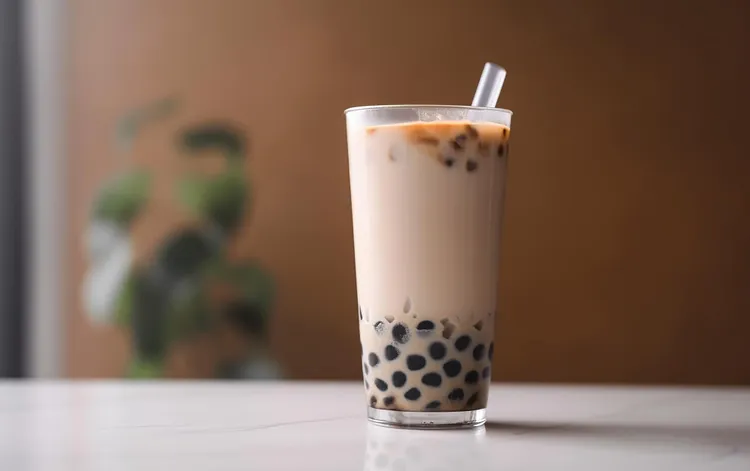
A standard shop-bought brown sugar boba milk tea is one of the more calorie- and sugar-dense drinks on a typical bubble tea menu, mostly because of the syrup and the tapioca pearls themselves rather than the milk. Breaking down where those numbers actually come from makes it easier to adjust the parts that matter most.
A Standard Shop-Bought Cup
- Calories: 350 to 450 kcal (regular size, around 16 to 20 oz)
- Sugar: 55 to 70g
- Fat: 6 to 10g
- Protein: 3 to 5g
These figures vary meaningfully between chains depending on how much syrup and how large a portion of pearls they use, and whether a topping like cheese foam is included by default. A "less sugar" option at most shops - commonly offered at 30% or 50% - primarily reduces the syrup rather than the tea or milk.
A Standard Homemade Cup
Following the classic milk tea recipe in this guide with whole milk and the full amount of syrup produces a drink in a very similar range to a shop version:
- Calories: ~380 kcal
- Sugar: ~58g
- Fat: ~8g
- Protein: ~4g
Where the Calories and Sugar Actually Come From
- Brown sugar syrup: roughly 65 kcal and 17g of sugar per tablespoon, and a standard glass uses 3 to 4 tablespoons between coating the pearls and striping the glass. This is the single largest source of both calories and sugar in the entire drink by a wide margin.
- Tapioca pearls: roughly 140 kcal per 1/4 cup cooked, unsweetened - almost entirely carbohydrate, with no fat or protein. Once soaked in syrup, though, a meaningful amount of the syrup's sugar also gets absorbed into the pearls themselves rather than staying in the liquid.
- Milk: whole milk contributes roughly 75 kcal and 6g of fat per 1/2 cup, with no added sugar of its own - the milk is not where the sweetness comes from in this drink.
- Black tea: effectively 0 calories on its own when unsweetened, regardless of strength.
In short: nearly all of a brown sugar boba's calorie and sugar content comes from the syrup and the pearls it coats, not the tea or milk. This is exactly why the low-sugar variation focuses specifically on reducing the syrup rather than changing the tea or milk.
The Low-Sugar Homemade Version
Using the reduced syrup ratio from the low-sugar brown sugar boba recipe:
- Calories: ~250 kcal
- Sugar: ~38g
- Fat: ~8g
- Protein: ~4g
This is roughly a third fewer calories and sugar than the standard version, from a single change to the syrup ratio, with the fat and protein essentially unchanged since those come from the milk.
The Vegan Homemade Version
Using oat milk in place of whole milk, following the vegan brown sugar boba recipe:
- Calories: ~350 kcal
- Sugar: ~58g (largely unchanged, since the syrup is the same)
- Fat: ~5g
- Protein: ~2g
Sugar content stays essentially the same as the dairy version since it comes from the syrup either way - swapping the milk mainly shifts the fat and protein numbers, not the sugar count. Combining the vegan and low-sugar approaches together compounds both effects.
Adding Cheese Foam
A standard cheese foam topping adds roughly 90 to 120 additional calories and 3 to 4g of sugar per serving, mostly from the cream and sugar the foam itself is made with, plus a small amount of additional fat and protein from the cream cheese base.
Ways to Meaningfully Cut Calories or Sugar
- Reduce the syrup - the single highest-impact change, as covered in the low-sugar recipe.
- Use less milk relative to tea, or switch to a lower-fat milk, for a smaller reduction focused on fat rather than sugar.
- Reduce the amount of tapioca pearls per glass slightly, since each 1/4 cup serving carries meaningful calories on its own before syrup is even factored in.
- Skip the cheese foam topping if calories matter more than the full shop-style presentation.
Why the Homemade Version Still Has an Edge
Even at full-sugar, full-fat settings, making brown sugar boba at home gives direct control over exactly how much syrup goes in, which most shops don't offer with real precision even at their "less sugar" settings. Someone genuinely trying to cut back doesn't have to choose between a full-sugar drink and skipping it entirely - the low-sugar variation gets most of the flavor at meaningfully less sugar, which isn't something most shop menus can offer with real accuracy.
Frequently Asked Questions
How does brown sugar boba compare to other common bubble tea flavors calorie-wise?
It's on the higher end of the typical range. A plain, lightly sweetened pearl milk tea often comes in lower, closer to 250 to 300 calories, since it uses a standard sugar syrup at a lower concentration rather than the thick, generously used brown sugar syrup this drink is built around. Fruit teas without milk or pearls tend to be lowest of all, often under 150 calories, since they skip both the starch and the dairy fat entirely.
Does the size of the drink change these numbers proportionally?
Roughly, yes, assuming the ratio of syrup, pearls, tea, and milk stays consistent as the size scales up. A larger 24-ounce version at a shop typically adds proportionally more syrup and pearls, not just more ice and tea, so the calorie and sugar increase is usually more than a simple linear scale-up from a smaller size would suggest.
Are the tapioca pearls themselves considered "empty calories"?
Tapioca starch is almost entirely carbohydrate with essentially no fiber, protein, vitamins, or minerals of note, so nutritionally it functions similarly to other refined starches in this respect. It's not uniquely problematic compared to other sweetened starches, but it's also not contributing meaningful nutrition beyond calories and carbohydrates.
Does using skim or low-fat milk meaningfully change the total calorie count?
It reduces the fat and total calorie count somewhat, but less dramatically than reducing the syrup does, since milk is a relatively small contributor to the drink's total calories and sugar compared to the syrup and pearls. Swapping milk fat content is a minor adjustment; adjusting the syrup is the major one.
Is there a way to estimate calories for a specific shop's version without a nutrition label?
Not precisely without their exact recipe, but the ranges given here for a "standard shop-bought cup" reflect the typical amount of syrup, pearls, and milk most mid-size chains use, and are a reasonable estimate in the absence of published nutrition information from a specific shop.
Putting These Numbers in Context
None of this is meant to suggest brown sugar boba can't be part of a normal, balanced way of eating - it's a specific treat with a specific, fairly concentrated sugar profile, similar in that respect to a milkshake or a specialty coffee drink loaded with syrup. Understanding where the calories and sugar actually come from just makes it possible to make an informed choice about how often and in what form to include it, rather than treating "boba" as a single uniform category with one fixed nutritional profile.
How Toppings Affect the Total
Beyond the cheese foam topping covered elsewhere in this guide, other common shop add-ons carry their own calorie and sugar impact worth knowing about if ordering or recreating a fully loaded version: grass jelly and pudding toppings both add modest additional carbohydrates and sugar, generally less than the syrup itself contributes but still a meaningful addition on top of an already sweet base drink. Extra pearls beyond a standard portion (a common upsize option at many shops) scale the tapioca-specific calories up proportionally without changing anything else.
A Practical Way to Track This at Home
For anyone tracking intake regularly, measuring the syrup by the tablespoon while assembling a drink (rather than eyeballing a pour) makes the estimates in this guide considerably more accurate for a specific glass, since syrup amount is the single biggest lever on the final numbers. A kitchen scale for the pearls and a measuring cup for the milk round out a reasonably precise at-home estimate without needing to weigh every component of a shop-bought version, which usually isn't feasible without access to their recipe directly.
How Brown Sugar Boba Compares to Common Non-Boba Drinks
- Regular soda (12 oz): roughly 140 to 150 calories, 39g sugar - lower on both counts than a standard brown sugar boba, despite soda's reputation as a high-sugar benchmark drink.
- A blended coffee shop frappuccino-style drink: often in a similar or higher calorie and sugar range, depending on size and syrup pumps.
- A milkshake (small, fast food): comparable calorie range, generally somewhat lower sugar but higher fat, given the difference between ice cream and brown sugar syrup as the primary source of richness.
- Plain iced tea, lightly sweetened: considerably lower on both counts, closer to 80 to 120 calories and 20 to 25g sugar for a comparable size.
This context is useful for placing brown sugar boba's numbers within a broader frame of typical sweetened drinks, rather than evaluating it in isolation.
Understanding Daily Sugar Recommendations
General dietary guidelines commonly cited by health organizations suggest limiting added sugar to somewhere in the range of 25 to 36 grams per day for most adults, though individual needs and guidelines vary by source and by person. A single standard-recipe brown sugar boba, at 55 to 70 grams of sugar, comfortably exceeds that full daily suggested range in one drink - useful context for understanding why this is generally considered an occasional treat rather than an everyday beverage, and why the reduced-sugar version covered elsewhere in this guide is worth considering for anyone drinking it more than occasionally.
Where the Numbers in This Guide Come From
The estimates throughout this guide are calculated from the specific ingredient quantities listed in each recipe, using standard nutritional values for common ingredients like brown sugar, whole milk, and tapioca starch. Actual values for any specific brand of ingredient can vary somewhat from these estimates, and shop-bought versions in particular can differ meaningfully between chains depending on their specific recipes, which aren't usually published in full detail.
A Simple Takeaway
If sugar and calorie content matter to you, the syrup is the single lever worth adjusting first, before worrying about milk type or pearl portion size - it accounts for the large majority of both figures in this drink, by a wide margin over any other single component.
Enjoying It Without Overthinking Every Number
For most people drinking this occasionally rather than daily, brown sugar boba fits reasonably into a normal diet the same way any other specialty treat does - the numbers in this guide are meant to inform an occasional choice, not to discourage enjoying the drink altogether or to turn a simple treat into a source of constant calculation.
Where to Focus If Change Is the Goal
For anyone specifically looking to cut back, the single most effective and easiest change is reducing the syrup, covered in detail in the low-sugar variation. Every other adjustment covered in this guide - milk choice, portion size, skipping toppings - makes a smaller difference by comparison, so it's worth starting there rather than spreading effort evenly across every possible variable.
Wrapping Up
Understanding where the calories and sugar in a glass actually come from turns a vague sense of "boba is unhealthy" into something more specific and actionable - a single ingredient decision that meaningfully shifts the numbers without requiring the drink to be given up entirely, which is a far more sustainable approach than treating it as strictly off-limits.
Where This Fits
These figures apply across the recipes in the brown sugar boba guide, adjusting proportionally for whichever variation you make.
These figures are estimates based on the recipes in the complete brown sugar boba guide; actual values will vary depending on the specific brands and amounts used.
Latest