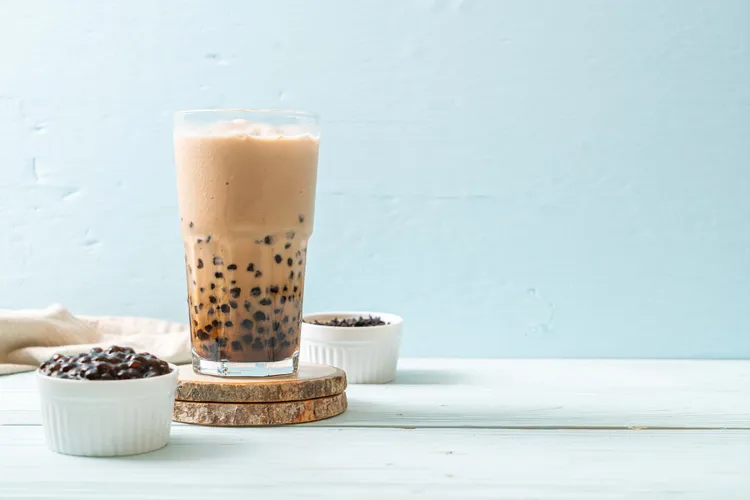
Taro, Matcha, and Thai Tea Boba: Brown Sugar Variations Beyond Milk Tea
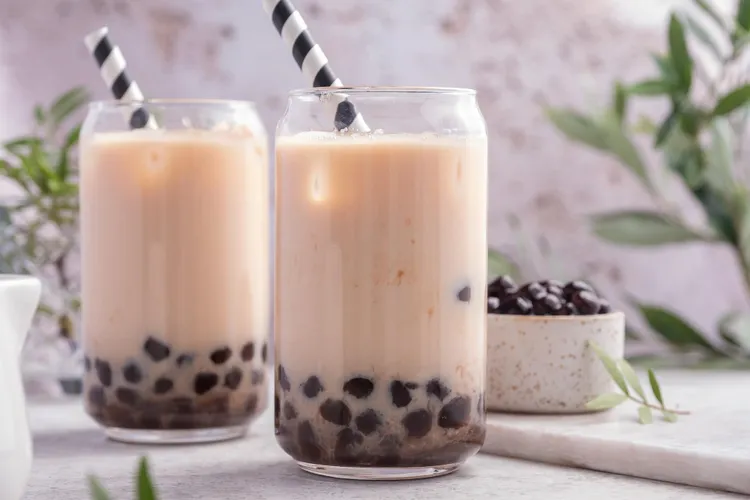
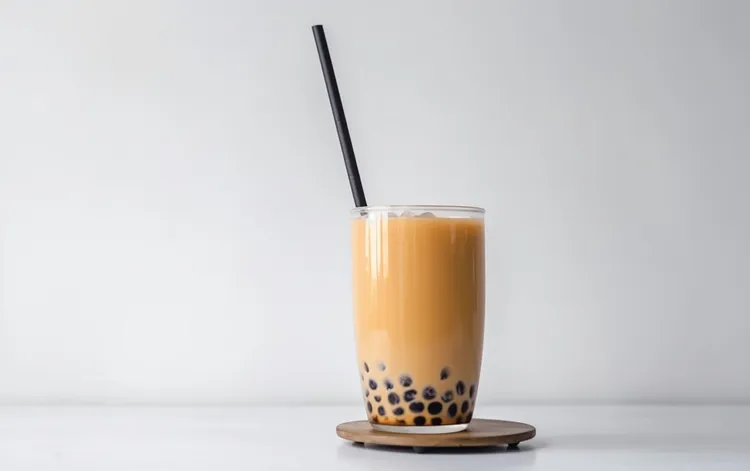
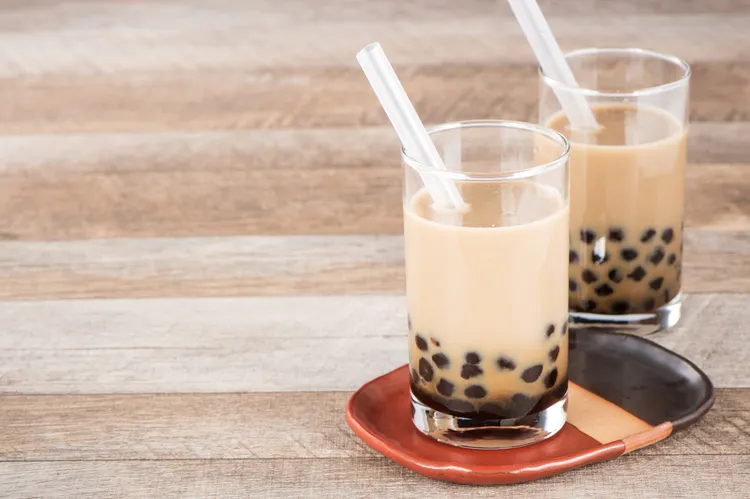
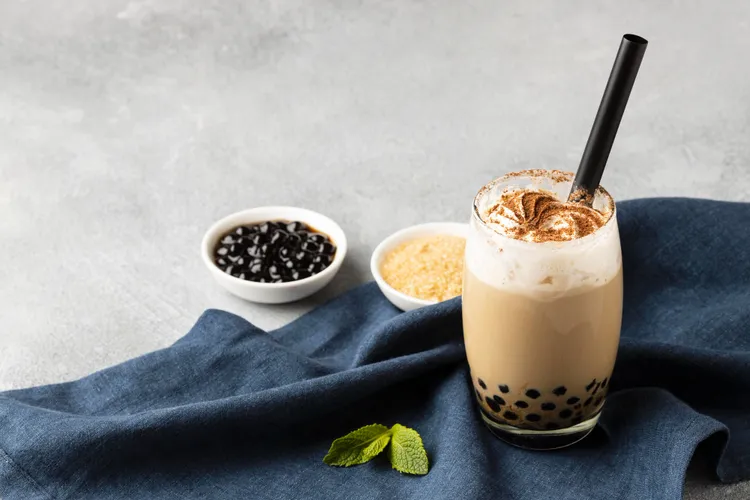
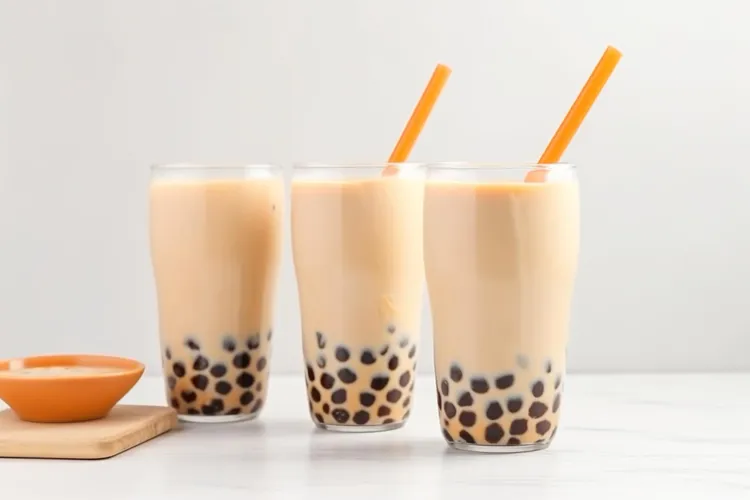
Three brown sugar boba variations - taro, matcha, and Thai tea - built on the same tapioca pearl and syrup foundation as the classic milk tea version.
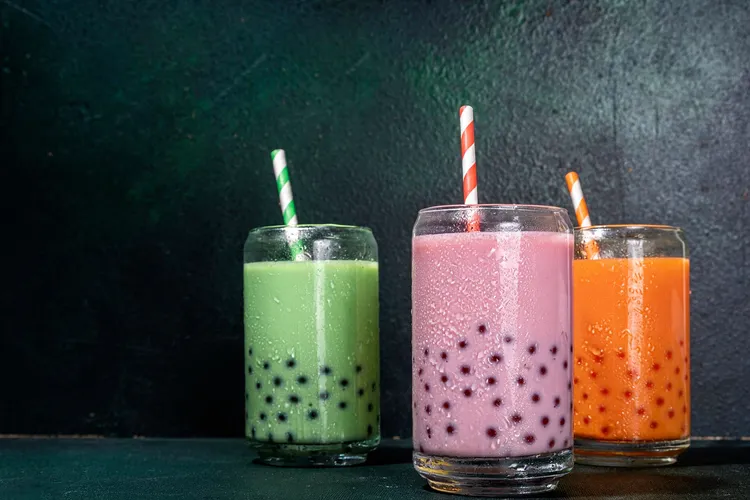
The same brown sugar pearls and syrup technique works underneath a completely different flavor base. Swapping the black tea for taro, matcha, or Thai tea changes the drink's whole character while keeping the same pearl-and-syrup foundation this guide is built around.
Taro Brown Sugar Boba
Ingredients
- 1/2 cup cooked tapioca pearls, coated in brown sugar syrup
- 1/4 cup brown sugar syrup, plus extra for the glass
- 3 tablespoons taro powder
- 3/4 cup milk
- 1/4 cup hot water, for dissolving the taro powder
- 1 cup ice
Instructions
- Whisk the taro powder into the hot water until fully dissolved and no lumps remain, then let it cool to room temperature.
- Stir the cooled taro mixture into the milk.
- Coat a glass with brown sugar syrup, add the syrup-coated pearls, then ice.
- Pour the taro milk over the ice slowly.
Taro powder (not fresh taro root, which requires a much longer cooking process) is the standard base for this drink both at home and in shops, and it's widely available at Asian grocery stores and online. It has a naturally sweet, slightly vanilla-like, nutty flavor and a distinctive purple color that comes from the powder blend rather than the root itself in most commercial products.
Matcha Brown Sugar Boba
Ingredients
- 1/2 cup cooked tapioca pearls, coated in brown sugar syrup
- 1/4 cup brown sugar syrup, plus extra for the glass
- 1.5 teaspoons culinary-grade matcha powder
- 2 tablespoons hot water (not boiling - around 175°F)
- 3/4 cup milk
- 1 cup ice
Instructions
- Whisk the matcha powder into the hot water until smooth and no clumps remain - a small whisk or milk frother works better here than a spoon.
- Let the matcha mixture cool slightly, then stir into the milk.
- Coat a glass with brown sugar syrup, add the pearls, then ice.
- Pour the matcha milk over the ice.
Use water that's hot but not boiling when dissolving matcha - fully boiling water makes matcha taste bitter and flat rather than grassy and slightly sweet. Culinary-grade matcha (rather than the more expensive ceremonial grade meant for drinking on its own) is the appropriate choice here, since it's meant to be mixed with milk and sugar.
Thai Tea Brown Sugar Boba
Ingredients
- 1/2 cup cooked tapioca pearls, coated in brown sugar syrup
- 1/4 cup brown sugar syrup, plus extra for the glass
- 1 cup brewed Thai tea (using Thai tea mix, steeped double-strength)
- 1/2 cup milk or half-and-half
- 1 cup ice
Instructions
- Brew the Thai tea mix double-strength, following the package instructions but using half the water, then let it cool.
- Coat a glass with brown sugar syrup, add the pearls, then ice.
- Pour the cooled Thai tea over the ice, followed by the milk.
Thai tea mix is a specific blend of black tea with spices like star anise and sometimes food coloring, giving it its distinctive orange color and warm, slightly spiced flavor - it's a different product from plain black tea and is sold specifically labeled as Thai tea mix at most Asian grocery stores.
Nutrition (per serving, approximate across all three)
- Calories: 380 to 420 kcal
- Protein: 3 to 5g
- Carbs: 68 to 74g
- Fats: 7 to 10g
These are all fairly close to the standard black tea version, since the syrup and pearls (the largest calorie and sugar contributors) stay the same across all three - see the full calorie and sugar breakdown for more detail on where these numbers come from.
Why the Brown Sugar Pairs With All Three
Taro's nutty sweetness, matcha's grassy bitterness, and Thai tea's warm spice all contrast well against brown sugar's deep caramel flavor in different ways - taro leans into the sweetness, matcha balances against the bitterness, and Thai tea's spice notes complement the caramel rather than competing with it. This is part of why brown sugar boba has become a common base across so many bubble tea flavor variations rather than staying tied only to plain black tea.
Common Mistakes
- Using boiling water for matcha: makes it taste bitter and flat rather than smooth.
- Using fresh taro root instead of taro powder: requires an entirely different, much longer cooking process and isn't a direct substitute in this recipe.
- Steeping Thai tea mix at normal strength: tastes weak once diluted by ice, same issue as the classic black tea version - double the concentration.
Frequently Asked Questions
Where can I find taro powder, matcha, and Thai tea mix?
All three are widely available at Asian grocery stores, and increasingly at regular supermarkets in the international foods aisle. Online specialty tea and boba supply retailers carry all three as well, often in bulk sizes that are more economical for repeated use than small trial-size packages.
Is there a difference between taro powder and taro-flavored powder?
Yes, and it's worth checking labels. Some products are pure taro root powder, while others are pre-mixed with sugar and non-dairy creamer already blended in, meant to be used at a different ratio than plain taro powder. If using a pre-sweetened blend, reduce or skip the added brown sugar syrup used for sweetening the milk portion, since it's likely already sweetened.
Can I combine two of these flavors in one drink, like taro and matcha together?
It's uncommon but not unheard of - the two flavors don't clash badly, though the result is a fairly busy, muddled flavor compared to either on its own. Most people find sticking to one flavor base per glass gives a cleaner, more balanced result.
Does the brown sugar syrup taste odd paired with matcha's bitterness?
Not typically - the caramel sweetness of the syrup actually balances matcha's natural bitterness in a way a lot of people find complementary, similar to how a caramel macchiato balances espresso's bitterness with sweetness. It's one of the more popular flavor combinations in this guide for that reason.
Are these three the only common flavor variations, or are there others worth trying?
These are the three most common variations found at bubble tea shops, but the same brown sugar pearl-and-syrup base pairs reasonably with other flavors too - a strong jasmine green tea or a fruit tea base both work with some experimentation, following the same general substitution principle of swapping only the tea component while keeping the pearls and syrup unchanged.
Choosing Between the Three
Taro is the mildest and sweetest of the three, a good starting point for anyone newer to flavored bubble tea or less familiar with matcha's bitterness or Thai tea's spice notes. Matcha appeals most to people who already enjoy green tea drinks and don't mind a stronger, more assertive flavor. Thai tea sits somewhere in between, with a warmth and spice character that reads as more "dessert-like" than either of the other two, closer in spirit to a chai.
Adapting the Vegan and Low-Sugar Versions
All three variations adapt the same way the classic version does - swap in oat milk following the vegan brown sugar boba guide, or use the reduced syrup ratio from the low-sugar variation. Neither adjustment changes the taro, matcha, or Thai tea component itself.
Sourcing Notes for Each Ingredient
Taro powder is sold both as a plain, unsweetened product and as a pre-sweetened "bubble tea powder" blend - check the label before assuming which one you've bought, since they're used at different ratios. Culinary-grade matcha is considerably less expensive than ceremonial-grade matcha and is specifically intended for exactly this kind of milk-based application, so there's no need to seek out a premium grade for this recipe. Thai tea mix is most commonly found in a bright orange box at Asian grocery stores, usually labeled clearly as Thai tea or cha yen mix, and a single box typically makes many batches given how little is needed per glass.
Natural vs Artificial Coloring
Some taro powders and Thai tea mixes include artificial food coloring to achieve their characteristic purple or orange hue, since the natural color from the actual ingredients alone is often more muted than what shops typically serve. This is a matter of personal preference rather than a quality issue - a taro drink made without added coloring will taste identical but appear a paler, less vivid purple than what's commonly seen in photos of the shop version.
Building Additional Variations From the Same Framework
Once the pattern of swapping the tea or flavor base while keeping the pearls and syrup constant is clear, it opens up further experimentation beyond the three covered here. A strong jasmine green tea base gives a floral variation that pairs well with the syrup's caramel notes. A hibiscus or roselle tea base offers a tart, fruity contrast that plays differently against the sweetness than any of the three main variations above. None of these require any change to the pearl or syrup technique - only the liquid base being poured over ice changes.
Regional Naming Differences Worth Knowing
Thai tea is sometimes labeled cha yen on packaging, particularly on products sourced more directly from Thailand rather than repackaged for a general international market - both refer to the same product. Taro powder is occasionally sold under a "purple yam" label in some markets, which can cause confusion since purple yam (ube) and taro are related but distinct ingredients with different flavor profiles; check that the product is specifically labeled taro if that's the flavor you're after.
Which Variation Pairs Best With Cheese Foam
All three take well to the cheese foam topping covered elsewhere in this guide, but matcha in particular is a popular pairing at shops specifically because the foam's mild sweetness and saltiness balances matcha's more assertive bitterness especially well, arguably even more so than with the classic brown sugar black tea base.
Starting Point Recommendation
For anyone trying all three for the first time, taro is generally the easiest starting point given its broad, familiar sweetness, with matcha and Thai tea as natural next steps once you've got a feel for the base pearl and syrup technique this all builds on.
Keeping a Rotation Going
Having powders or mixes for two or three of these variations on hand at once makes it easy to rotate flavors without repeating the same drink every time, since none of them require a special trip once the initial ingredients are stocked - it's the same pearls and syrup each time, just a different jar reached for on the shelf.
Sourcing Consistency
Once you've settled on a preferred brand of taro powder, matcha, or Thai tea mix, it's worth sticking with it rather than switching between brands frequently, since flavor intensity and sweetness levels vary meaningfully between manufacturers - a taro powder from one brand might need noticeably more or less than another to hit the same flavor strength, even at the same measured amount.
These three variations demonstrate how flexible the underlying brown sugar boba framework really is - once the pearl and syrup technique is solid, the tea component becomes almost a free variable, open to whatever flavor direction you're in the mood for on a given day.
Taro, matcha, and Thai tea are a solid starting set of variations, but they're really just proof of concept for a broader idea - once the pearl and syrup foundation is solid, this drink can go in nearly any flavor direction you're willing to experiment with, limited only by what tea or flavor base you're willing to try next.
Picking a First Variation to Try
If you've only made the classic black tea version so far, matcha is a good next step for anyone who already drinks green tea regularly, while taro is the safer choice for a household with less adventurous palates, given its mild, broadly appealing sweetness.
All three variations build on the same pearl and syrup technique from the brown sugar boba guide, changing only the tea or flavor base poured over ice.
These are variations on the classic brown sugar boba milk tea recipe, swapping only the tea base. For the full pearl and syrup technique underneath all of these, see the complete brown sugar boba guide.
Latest