Iced vs Hot Brown Sugar Boba: Does Temperature Change the Technique
How brown sugar boba's technique changes between iced and hot versions, including tea strength, the tiger-stripe effect, and pearl texture.
Brown sugar boba is built around the iced, layered presentation, but the underlying components - pearls, syrup, tea, and milk - work as a hot drink too, with a few real adjustments to how it's assembled and what to expect from the result.
Why Iced Is the Default
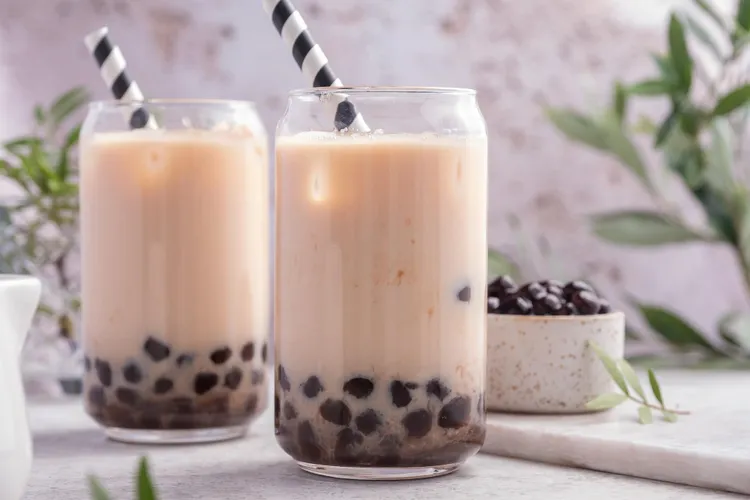
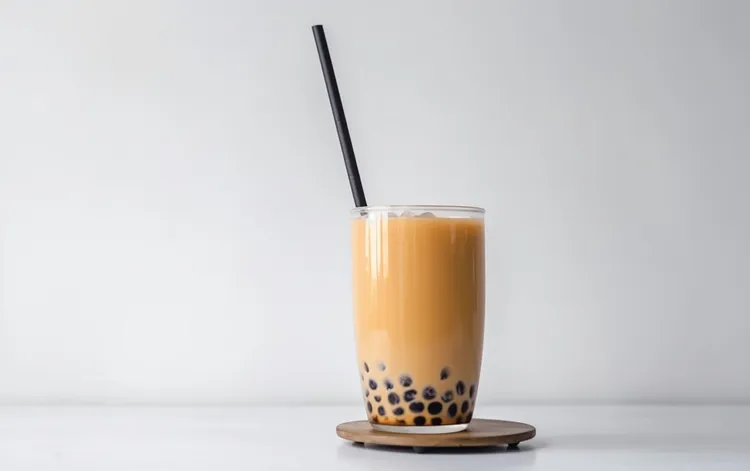
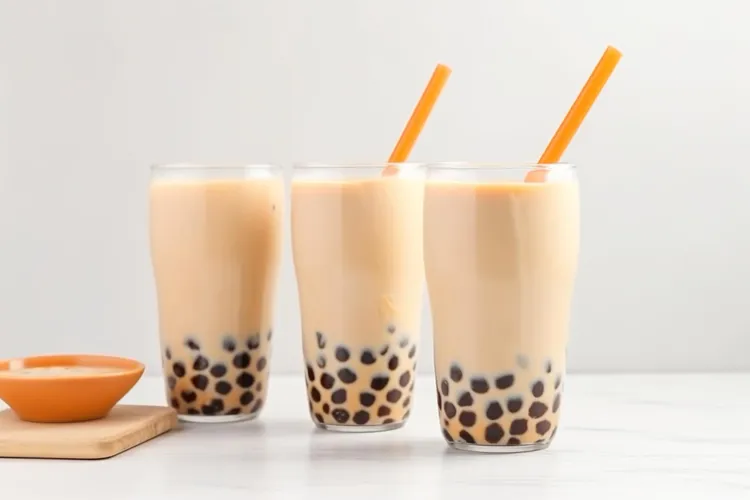
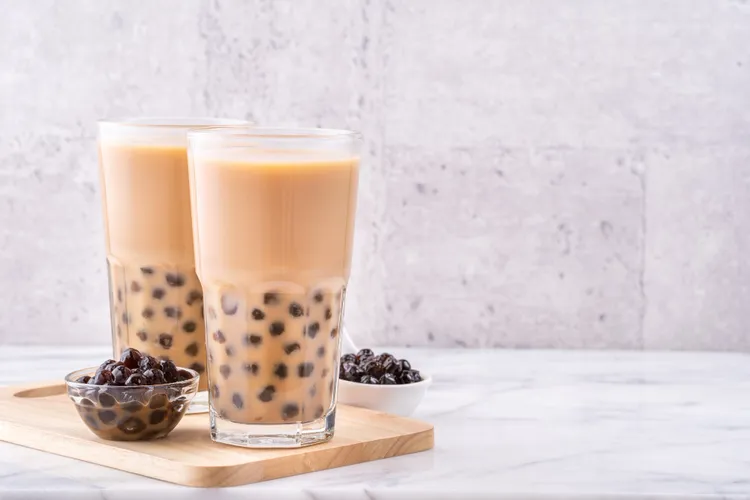
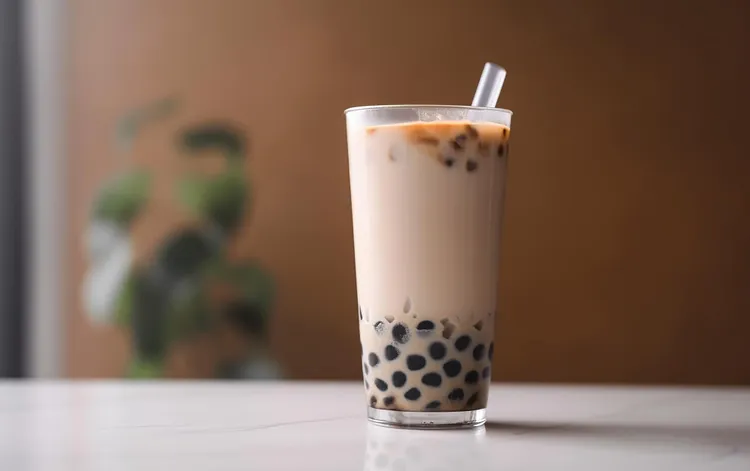
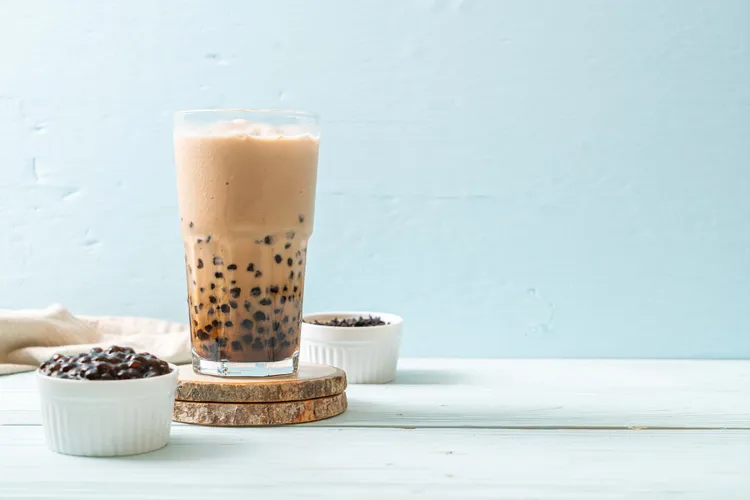
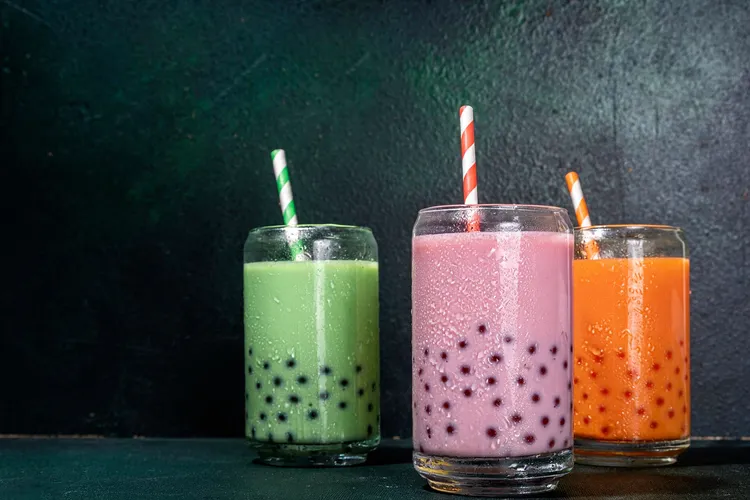
The tiger-stripe visual effect depends on the syrup holding its shape against the glass, which works far better in a cold drink where the syrup thickens and sets quickly against ice and a cool glass. It also depends on tea being brewed extra-strong specifically to survive dilution from melting ice, which is a technique built entirely around serving cold. This is why virtually every shop and most home recipes, including the classic recipe in this guide, default to iced.
Making a Hot Version
What Changes
- Brew the tea at normal (not double) strength, since there's no ice to dilute it.
- Warm the milk gently on the stove or in the microwave rather than using it cold - cold milk poured into hot tea cools the whole drink down more than expected.
- Warm the syrup slightly before using so it stays pourable rather than firming up against a hot mug's sides, though it's less prone to setting quickly in a hot drink than a cold one.
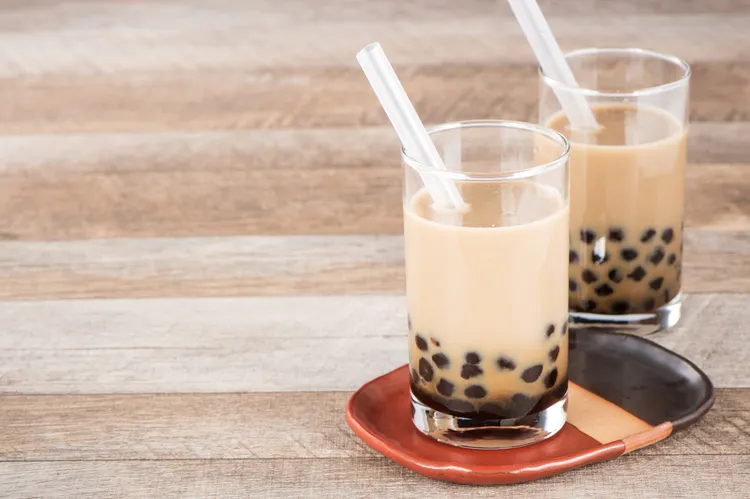
- The tiger-stripe effect is much less pronounced in a hot glass or mug, since the syrup doesn't set against warm liquid and glass the way it does against ice - expect a more blended, uniformly colored drink rather than distinct stripes.
Assembly
- Add warm, syrup-coated tapioca pearls to the bottom of a mug.
- Pour in the warmed milk.
- Top with the hot brewed tea.
- Stir gently before drinking, since the layers won't hold separately the way they do in an iced version.
Texture Differences: Pearls in a Hot Drink
Tapioca pearls actually hold their chewy texture reasonably well in a hot drink, since the heat doesn't meaningfully affect their structure the way cold refrigeration does - the bigger risk with a hot version is the pearls continuing to soften slightly the longer they sit in a hot liquid, since residual heat keeps working on them even after the initial cooking and rest steps are done. For this reason, a hot version is best made and consumed within 15 to 20 minutes of assembly rather than left to sit.
Flavor Differences
Heat intensifies some flavors and mutes others - the brown sugar's caramel notes tend to come through more strongly in a hot drink, while the tea's tannic bitterness can also become more noticeable without ice and dilution to soften it. Because of this, a hot version often benefits from a slightly milder tea strength than the numbers above suggest, adjusted to taste on the first attempt.
Which to Choose
Iced is the standard presentation and the one most associated with brown sugar boba specifically, largely because the tiger-stripe effect - one of the drink's most recognizable features - depends on it. A hot version is a reasonable adaptation for cold weather or personal preference, but it's worth knowing going in that it trades away the drink's signature visual for a warmer, more traditional milk tea experience.
A Middle Ground: Room Temperature
For anyone who finds fully iced too diluted and fully hot too intense, a room-temperature version - warm tea and milk poured over just a few ice cubes rather than a full glass - splits the difference. It won't produce the full stripe effect of a properly iced glass, but it holds up better than a hot version poured directly over pearls that have been sitting a while.
Frequently Asked Questions
Is hot brown sugar boba a traditional way to serve this drink?
Not really - brown sugar boba as a style was developed and popularized specifically as an iced drink, and the tiger-stripe presentation that defines it is really only achievable in an iced format. A hot version is more of a practical home adaptation than a traditional serving style you'd commonly find on a shop menu.
Can I use the same syrup recipe for both versions without any changes?
Yes, the syrup recipe works for both without adjustment - what changes between iced and hot is mainly the tea strength and assembly order, not the syrup itself.
Will the tapioca pearls get too soft if left in a hot drink for a while?
They can, since residual heat continues acting on the starch even after the initial cooking is done. This is why a hot version is best consumed within 15 to 20 minutes rather than left to sit for an extended period the way an iced drink with plenty of ice can hold reasonably well for a bit longer.
Does a hot version need less sugar since there's no ice dilution to account for?
Often yes, slightly - since there's no melting ice diluting the drink further after assembly, a hot version can sometimes taste a touch sweeter than intended if made with exactly the same syrup amount as the iced version. Adjusting down slightly and tasting as you go is reasonable for a first attempt.
What temperature should the tea be for a hot version, and does it need to be freshly boiled?
Freshly brewed and still hot, similar to how you'd serve a standard cup of hot tea - there's no need to let it cool at all for a hot version, unlike the iced version where cooling the tea before combining is an important step.
A Seasonal Note
Iced brown sugar boba tends to be the default choice for warmer months, both because it's the traditional presentation and because a cold, sweet drink is simply more appealing in the heat. A hot version becomes a more natural fit heading into cooler weather, when the same base flavors in a warm mug read as more comforting than refreshing - worth keeping in mind if deciding which version to make based on the season rather than by default.
What Glassware Works Best for Each
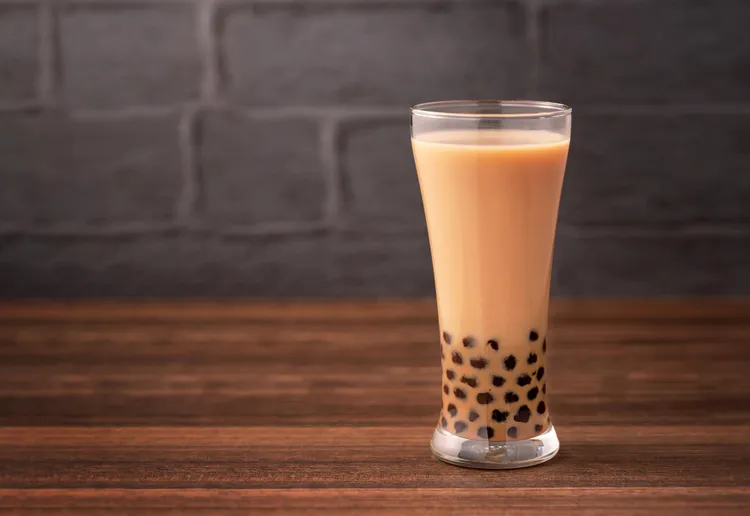
For the iced version, a tall, clear glass is important both for the tiger-stripe visual and for having enough room for a generous amount of ice alongside the liquid and pearls. For a hot version, a wide mug rather than a tall glass gives easier access to a spoon for stirring and makes it simpler to eat the pearls at the bottom without needing quite as wide a straw, since a spoon works reasonably well as an alternative for a hot drink in a way it doesn't for a fully iced, layered glass.
A Middle-Ground Serving Style: Warm With a Few Ice Cubes
Some people land on a version that's neither fully hot nor fully iced - warm tea and milk with just a couple of ice cubes added at the end, enough to take the edge off the heat without fully chilling the drink or diluting it the way a full glass of ice would. This isn't a standard shop offering, but it's a reasonable personal adjustment if neither extreme feels quite right, and it requires no changes to the recipe itself beyond how much ice goes in at the end.
How Restaurants and Shops Typically Handle Hot Requests
Most dedicated bubble tea shops are built entirely around the iced format and either don't offer a hot version at all or offer a fairly limited one, since their equipment, cup sizing, and preparation workflow are all optimized for cold, shaken, iced drinks. This is different from a general tea house or cafe that might serve a wider range of hot tea drinks alongside a smaller boba menu. If you've never seen a hot brown sugar boba on a shop menu, that's a fairly accurate reflection of how the industry generally treats this specific drink rather than a sign that a hot version is unusual or wrong to make at home.
Why Pearls Behave Slightly Differently in a Mug vs a Tall Glass
In a hot mug, pearls tend to settle more toward the center-bottom rather than spreading out, since there's no ice creating gaps and structure the way there is in an iced glass. This makes them slightly easier to gather in a single spoonful when eating them from a hot drink, an incidental but genuinely convenient difference compared to trying to catch pearls scattered around ice cubes in a tall iced glass.
A Practical Recommendation for First-Timers
For anyone making this for the first time, starting with the iced version is worth doing even in colder weather, simply because it's the format the technique (syrup ratio, tea strength, layering) was actually designed around, and it's the version most likely to closely resemble what you'd get from a shop. Once comfortable with the base technique, experimenting with a hot version afterward is a reasonable next step with a clearer sense of what adjustments are actually changing the result.
Iced is the standard, stripe-preserving version; hot trades the visual effect for a warmer, more traditional milk tea feel. Both use the same pearls and syrup underneath, so neither requires learning a separate technique from scratch.
Trying Both Before Deciding
Since both versions share the same pearl and syrup foundation, there's very little added cost to trying both across two separate sessions and deciding for yourself which you genuinely prefer, rather than assuming the iced version is automatically correct just because it's the more common presentation.
A Note on Reheating Leftover Hot Boba
If a hot glass sits and cools before finishing it, gently rewarming it on the stove or in the microwave is fine for the tea and milk, though the pearls will have continued softening the whole time they sat, and reheating won't reverse that - treat a cooled, then reheated hot boba as a one-time drink rather than something to repeat across multiple reheats.
Both versions are legitimate ways to enjoy this drink, and neither is more "correct" than the other beyond the fact that iced is what the style was originally built around. Personal preference and the season are reasonable enough justification for choosing either one.
The core pearl and syrup technique doesn't care whether the final drink ends up hot or cold - that decision is entirely about presentation and personal comfort, and either direction gets you a genuinely good glass of brown sugar boba, so there's little reason not to try both at least once before settling on a favorite.
Most people who try both eventually settle into a seasonal pattern rather than picking one permanently - iced through spring and summer, hot through fall and winter - which is a reasonable way to get the most out of both versions rather than treating the choice as fixed year-round.
Both the iced and hot versions rely on the same pearls and syrup covered in the brown sugar boba guide, adjusting only the tea strength, milk temperature, and assembly order described above.
Whichever temperature you choose, the underlying components - properly cooked pearls, a well-reduced syrup, and a strong-enough tea - matter more to the final result than the serving temperature itself, which is ultimately a matter of preference rather than technique.
Master those three elements first, and switching between hot and iced becomes a simple matter of adjusting tea strength and skipping or including ice, rather than relearning the drink from scratch each time.
That flexibility is part of what makes this such a satisfying drink to have in a regular rotation - the same short shopping list and roughly the same prep time serve both a summer afternoon and a winter evening equally well, with no need to learn anything new between the two, just a small adjustment in tea strength and whether or not ice goes into the glass.
This is an adaptation of the classic brown sugar boba milk tea recipe. For the full technique behind the pearls and syrup either version depends on, see the complete brown sugar boba guide.
Latest