Can Size Conversions: What "1 Can" Actually Means in Cups
A reference for standard can sizes (No. 300, No. 2.5, No. 10, and more) converted to cups, why the old naming system doesn't match real volumes, and how to substitute between sizes.
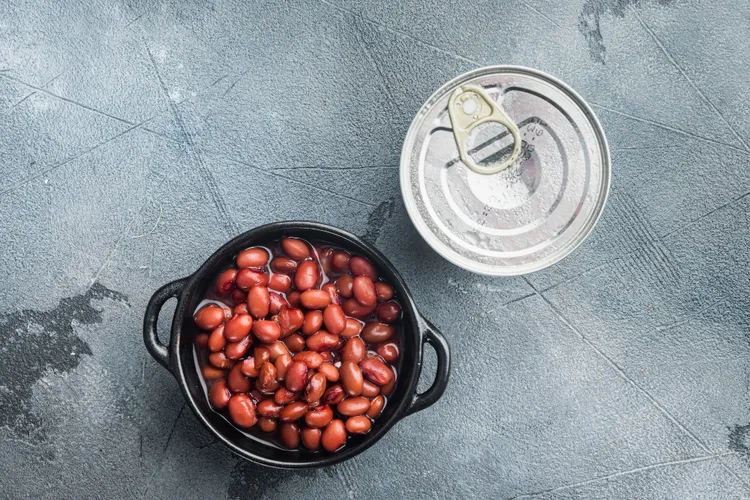
Recipes that call for "one can of tomatoes" or "a small can of beans" assume you know exactly what size can they mean, and that assumption breaks down constantly, since can sizing follows old industry naming conventions that have nothing to do with the actual volume printed on the label. Here's what those names actually mean in cups, so you can shop and substitute without guessing.
Why Can Names Don't Match Their Sizes
Can sizes like "No. 2" or "No. 10" come from a canning industry numbering system established in the early 1900s, long before standardized metric labeling. Manufacturers kept the old names even as exact volumes drifted slightly over the decades, which is why a "No. 2 can" doesn't hold 2 of anything, it's a legacy label, not a literal measurement. Recipes, especially older or family ones, often reference these names directly instead of the cup or ounce equivalent, which is where the confusion starts.
Standard Can Sizes in Cups
| Can Name | Net Weight (approx.) | Cups (approx.) | Common Uses |
|---|---|---|---|
| 8 oz / "picnic" | 8 oz | 1 cup | Tomato sauce, small portions |
| No. 1 / "picnic" | 10.5-12 oz | 1 1/4 cups | Soups, condensed items |
| No. 300 | 14-16 oz | 1 3/4 cups | Beans, chili, pork and beans |
| No. 303 | 16-17 oz | 2 cups | Vegetables, fruit, beans |
| No. 2 / "12-oz vacuum" | 20 oz | 2 1/2 cups | Juice, pineapple, some fruits |
| No. 2.5 | 27-29 oz | 3 1/2 cups | Tomatoes, pumpkin, sweet potatoes |
| No. 3 Cyl | 46 oz | 5 3/4 cups | Juice, large-batch vegetables |
| No. 10 | 6.5-7 lbs (104-112 oz) | 12-13 cups | Institutional/bulk, restaurant use |
Most home cooks only encounter a handful of these regularly: the standard "small" can (about 15 oz, close to a No. 300 or No. 303), the standard "large" can (28-29 oz, a No. 2.5), and occasionally a No. 10 if buying bulk from a restaurant supply store. The old naming system mostly survives in recipe language and in food service, retail shelves today are usually labeled straightforwardly in ounces.
The Sizes That Actually Matter in Modern Kitchens
When a recipe says "one can" without specifying size, it's almost always referring to one of two standard sizes:
- 15-16 oz can (about 1 3/4 to 2 cups): the standard size for beans, diced tomatoes, corn, and most vegetables on a regular grocery shelf.
- 28-29 oz can (about 3 1/2 cups): the standard "large" size, most common for whole or crushed tomatoes and pumpkin puree.
If a recipe doesn't specify and you're working from an older or handwritten one, 15 oz is the safer default assumption for beans and most vegetables, it's by far the more common size on shelves today.
Converting Between Can Sizes and Fresh or Dry Ingredients
Substituting canned for fresh, or one can size for another, comes up often enough to be worth knowing the rough math:
- 1 can (15 oz) diced tomatoes ≈ 2 cups, roughly equivalent to 4-5 fresh medium tomatoes, diced.
- 1 can (15 oz) beans, drained ≈ 1 1/2 cups, roughly equivalent to 1/2 cup dried beans, cooked.
- 1 can (15 oz) pumpkin puree ≈ 1 3/4 cups, close to what you'd get from roasting and pureeing a 3-4 pound sugar pumpkin.
- 2 small (15 oz) cans ≈ roughly 1 large (28-29 oz) can, close enough for most recipes, though the total liquid content may run slightly higher with two smaller cans since each has its own packing liquid.
Dried-to-canned bean conversion is the one worth double-checking most carefully, dried beans roughly triple in volume once cooked, so 1/2 cup dried beans becoming "about one can" holds up as a rule of thumb, but bean variety and soak time both shift the exact yield.
When the Difference Actually Matters
For most savory cooking, soups, chilis, sauces, being off by a quarter cup from a can-size mismatch rarely ruins the dish, these recipes tend to be forgiving the way most liquid-heavy savory cooking is. It matters more in baking, where a pumpkin bread or pie recipe built around a specific liquid ratio can turn dense or underset if a can size substitution adds significantly more or less puree than the recipe was designed around.
The practical rule: for soups, stews, and sauces, don't worry about small can-size differences. For baking recipes using canned pumpkin, beans, or fruit as a structural ingredient, weigh or measure the actual cup amount the recipe calls for rather than assuming "one can" from a different-sized can will match.
Once the size behind the label makes sense, "one can" stops being a guess and becomes a number you can actually shop and substitute around.
Latest