How Many Cups Is a Pound of Flour, Butter, Sugar (By Ingredient)
A cups-per-pound conversion reference for flour, sugar, butter, and other common baking ingredients, plus why volume and weight measurements don't convert consistently.
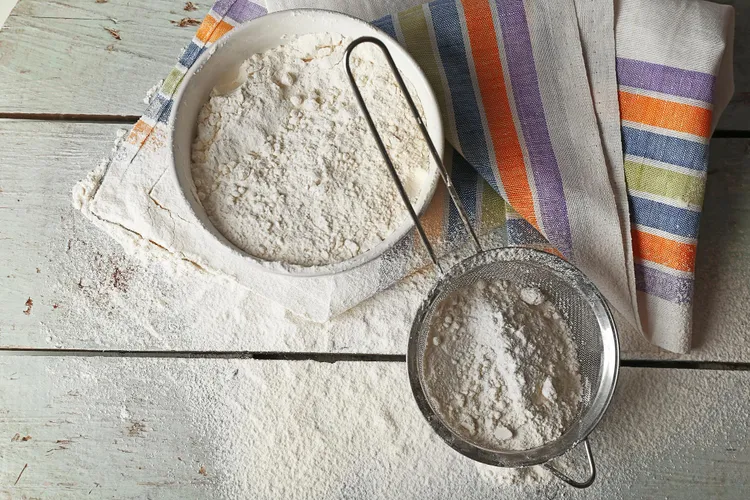
"A pound of flour" and "a pound of sugar" sound like they should measure out to roughly the same number of cups. They don't, not even close, and that gap is exactly why so many baking conversions come out wrong when someone assumes one cup always equals one cup regardless of what's in it.
Why Cups and Pounds Don't Convert the Same Way Twice
A cup is a measure of volume, a pound is a measure of weight. How many cups it takes to reach a pound depends entirely on how densely that ingredient packs into the cup, and density varies enormously between something powdery and light like flour and something granular and heavy like sugar. This is the same reason recipes written by weight (common in professional and European baking) are more reliable than recipes written in cups, weight doesn't care how much air got scooped in with the flour.
Scooping technique changes the numbers too. Dipping a measuring cup directly into a flour bag packs it more densely than spooning flour in lightly and leveling off the top, and that difference alone can shift a cup of flour by 20-30 grams, enough to noticeably change a baking recipe's hydration.
Cups Per Pound, By Ingredient
| Ingredient | Cups Per Pound (approx.) | Grams Per Cup (approx.) |
|---|---|---|
| All-purpose flour (spooned and leveled) | 3 1/3 to 3 2/3 cups | 120-130g |
| Bread flour | 3 1/4 to 3 1/2 cups | 130-135g |
| Cake flour | 3 3/4 to 4 cups | 115-120g |
| Granulated sugar | 2 to 2 1/4 cups | 200g |
| Brown sugar (packed) | 2 1/4 cups | 200-220g |
| Powdered sugar | 3 3/4 to 4 cups | 115-125g |
| Butter | 2 cups (4 sticks) | 227g per cup |
| Vegetable shortening | 2 to 2 1/4 cups | 205-225g |
| Honey | 1 1/8 cups | 340g |
| Rolled oats | 5 cups | 90g |
| Rice, uncooked | 2 to 2 1/4 cups | 200-215g |
These are working averages, not fixed constants. Humidity, brand, and how tightly an ingredient was packed before it left the factory all shift the real number slightly. Butter and honey are the two most reliable entries on this list, since they're dense, non-compressible ingredients that don't trap air pockets the way flour or powdered sugar do.
Why Flour Varies the Most
Flour is the least consistent ingredient to measure by cup, and it's not close. A cup of flour can weigh anywhere from 120g to 150g depending entirely on technique, whether it was scooped straight from the bag (packing it down) or spooned in and leveled off (keeping it aerated). That's a swing of up to 25%, which is enough to turn a properly hydrated bread dough into a dry, dense one, or a tender cake into a tough one, without the recipe itself being wrong at all.
The standard for consistency: spoon flour into the measuring cup until it mounds above the rim, then level it off with a straight edge, without tapping, shaking, or packing it down. If a recipe specifically calls for "packed" flour or sugar (rare for flour, standard for brown sugar), that's a different technique entirely and the recipe should say so.
Butter Is the Exception
Butter measures more reliably than almost anything else on this list because it's sold in standardized sticks with markings already printed on the wrapper. One stick equals 1/2 cup equals 8 tablespoons equals 113g, consistently, regardless of technique, since butter doesn't compress or trap air the way dry ingredients do. This is part of why butter measurements rarely cause recipe failures the way flour measurements do, there's very little room for user error.
When the Difference Actually Matters
Not every recipe is sensitive to a 10-15g swing in an ingredient. A soup that calls for "a cup of rice" tolerates some flex. Baking recipes, especially bread, pastry, and anything relying on a specific hydration ratio, are far less forgiving, since flour-to-liquid ratios are often precisely tuned to produce a specific texture. If you've read about ratios like pizza dough's hydration percentage or a biscuit's 3:1:2 flour-fat-liquid formula, this is exactly why those get built around weight in the first place, cups introduce a variable that grams eliminate.
The practical takeaway: for anything where texture matters (bread, pastry, delicate cakes), weigh if you can. For everyday cooking where a little variance won't hurt (soups, casseroles, most savory dishes), cups are fine as written.
Quick Reference for Common Substitution Math
A few conversions come up often enough to be worth memorizing outright:
- 1 stick of butter = 1/2 cup = 8 tablespoons = 113g
- 1 cup granulated sugar = 200g
- 1 cup all-purpose flour (spooned and leveled) = about 125g
- 1 pound butter = 4 sticks = 2 cups
- 1 pound granulated sugar = a little over 2 cups
- 1 pound flour = roughly 3 1/2 cups, though this is the number most worth double-checking with a scale if precision matters
Once weight-based measuring becomes the default for anything baked, this whole conversion problem mostly disappears, a gram of flour is a gram of flour no matter how it got scooped.
Latest