What to Plant Next to What You Cook Most
A companion planting guide built around the dishes you already cook, not abstract garden theory. Plant the pairs, then use them together in the kitchen.
Most companion planting guides are written by gardeners first. This one starts from the other end: the recipes you already make on repeat, and which plants actually help each other grow well enough to end up in that pot at the same time. If you're new to gardening but not new to cooking, this is the shortcut - plant the pairs below, and by midsummer you'll have both a healthier bed and a reason to cook something specific.
Tomatoes and Basil: The Pairing That Started It All
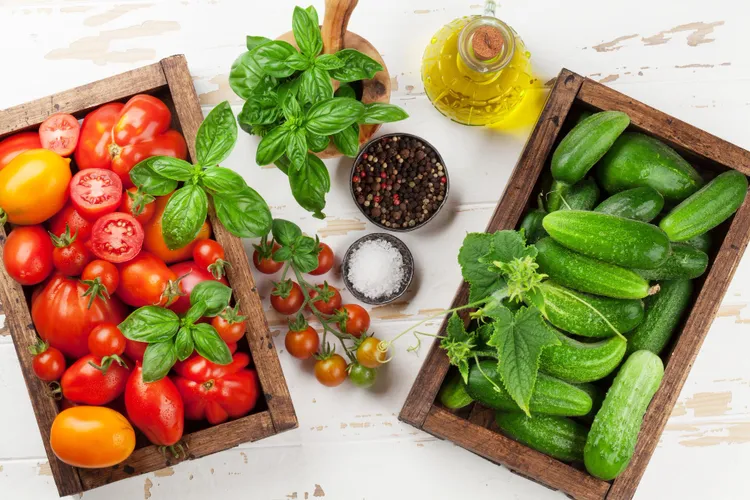
This one's a cliche because it works twice over. In the ground, basil is thought to repel thrips and improve tomato flavor, though the research is mixed - what's not disputed is that basil likes the same sun, water, and soil warmth as tomatoes, so they thrive on the same schedule with no competition for resources. Plant basil about 12 inches from the base of each tomato plant, and pinch the flower buds off the basil regularly to keep it bushy and productive instead of bolting.
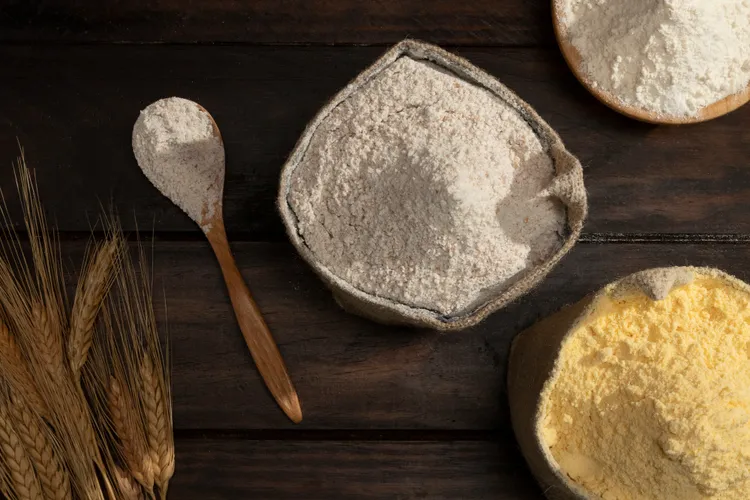
The kitchen payoff is obvious. A whole-wheat tomato basil pasta uses both straight off the vine with almost no other shopping required. When the tomatoes come in faster than the basil, mixed tomatoes with basil oil is a five-minute way to use a big bowl of them, and it freezes well if you blend extra basil oil while you're at it.
Peppers and Basil: Same Bed, Same Sauce
Peppers get less attention in companion planting write-ups, but they share basil's preference for warm soil and consistent moisture, and the taller pepper plants give young basil some afternoon shade once the summer heat peaks. Space basil about 8-10 inches from pepper stems so neither is fighting for root room.
Cook them together in a grilled zucchini and red pepper salad with basil - it also pulls in the zucchini bed a few feet over, which is the next pairing worth planting.
Zucchini and Basil or Oregano: Give It Room, Then Pick Often
Zucchini and other summer squash need more space than most beginner gardeners plan for - 24 to 36 inches between plants - so tuck basil or oregano into the gaps rather than a dedicated row. Both herbs stay low and don't compete for the same light zucchini's broad leaves are chasing. The real benefit is proximity: when a zucchini plant goes from "a few" to "more than you can eat" almost overnight, having the herb bed six feet away instead of across the yard makes it much more likely you'll actually use them before they wilt.
Once the harvest hits, a zucchini pasta with basil and lemon or a zucchini bake with tomato sauce, parmesan, and basil both use the two beds at once. For a lighter side, sauteed zucchini ribbons with lemon, garlic, and pepper comes together in under 10 minutes and barely dents a big harvest, so you'll want more than one zucchini recipe in rotation.
Cucumbers and Dill: Built for Pickles, Good for Salads Too
Dill and cucumbers hit their peak at roughly the same point in the season, and dill's flowers attract beneficial insects like ladybugs and parasitic wasps that help keep cucumber pests in check. Let a few dill plants flower on purpose near the cucumber trellis instead of harvesting every leaf - the trade-off in dill for the table is worth it for the pest control.
What you do with the pairing is straightforward: a fresh cucumber and dill salad needs almost nothing else, and if the cucumbers outpace what you can eat fresh, quick-pickling with the same dill is the next step. Both dishes are simple enough that a beginner cook can make them without a recipe once the vegetables are in hand.
What Not to Plant Together
A few common pairings work against you, and they matter more to a beginner than any of the good pairings above, because a bad one can stunt a whole bed:
- Tomatoes and fennel - fennel releases compounds that inhibit the growth of most nearby vegetables, tomatoes included. Grow fennel in its own container.
- Tomatoes and corn - both attract the tomato fruitworm/corn earworm, which is the same pest under two names. Planting them close just gives it a bigger buffet.
- Beans and onions (or garlic) - alliums suppress the nitrogen-fixing bacteria that beans rely on, which shows up as slower, weaker bean growth.
- Cucumbers and aromatic herbs like sage - strong-scented herbs can affect cucumber flavor and are thought to slow fruit development when planted too close.
A Simple Bed Layout for Beginners
If you're planning beds from scratch this season, group by these three clusters rather than by vegetable family - it keeps the pairings above intact without needing a full garden plan:
- The pasta bed: tomatoes, basil, and a pepper plant or two along the sunny edge.
- The squash bed: zucchini or summer squash with basil or oregano filling the gaps.
- The salad bed: cucumbers on a trellis with dill left to flower nearby.
Three beds, three go-to dishes, and none of it requires more than a weekend to plant. The point isn't to memorize every companion planting chart - it's to plant the handful of pairs that both help each other grow and end up on the same plate.
Latest