Meatball and Burger Binder Ratio: Egg, Breadcrumb, Meat
Why meatballs and burgers need completely different binder ratios, the 4:1 meat-to-breadcrumb formula for tender meatballs, and why burgers usually need no binder at all.
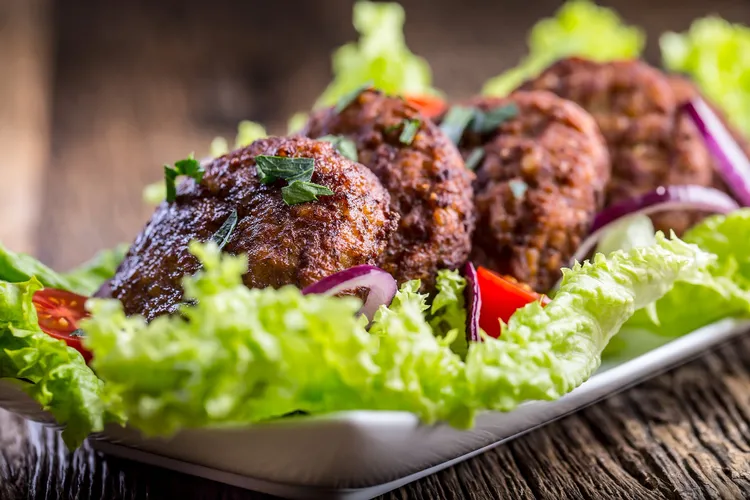
Meatballs that fall apart in the sauce and burgers that turn into hockey pucks come from opposite mistakes, but both trace back to the same thing: not understanding what a binder actually does. Get the ratio right and both problems disappear, along with the guesswork about how much breadcrumb or egg any given pound of meat needs.
The Ratio
For a classic meatball, the binder ratio per pound of ground meat is:
- 1 pound ground meat
- 1/4 cup breadcrumbs (or 2 slices of bread, torn and soaked)
- 1 egg
- 1/4 cup liquid (milk or stock, if using dry breadcrumbs instead of soaked bread)
That's roughly a 4:1 ratio of meat to breadcrumb by volume, with one egg doing the binding work regardless of batch size up to about 2 pounds of meat, past that, add a second egg.
Burgers use a different ratio, because they're not trying to do the same job. A classic burger patty needs little to no binder at all:
- 1 pound ground meat
- Salt and pepper only, added just before cooking, not mixed in early
If you're stretching meat with fillers for a smash-style or diner-style patty, keep breadcrumb and egg to a fraction of the meatball ratio, no more than 2 tablespoons breadcrumb and no egg per pound, since too much binder in a burger works against the texture you actually want.
Why Meatballs and Burgers Need Completely Different Ratios
Meatballs are cooked, sauced, and often simmered for a while, they need structural help to hold together through all of that handling. The breadcrumb (or bread, softened in milk) absorbs liquid and swells, creating a soft matrix that keeps the meat tender instead of tightly bound. The egg acts as glue, its proteins coagulate during cooking and lock the structure together. Skip both and meatballs are more likely to crumble apart in a simmering sauce, since ground meat alone doesn't hold a round shape well without support.
Burgers work against this. A patty made from good ground meat with a reasonable fat content (80/20 is standard) holds together on its own through the fat rendering and proteins binding as it sears. Adding breadcrumb and egg here doesn't add tenderness, it dilutes the meat flavor and creates a denser, more meatloaf-like texture, which is exactly what you don't want in a burger built to taste like beef, not filler.
The real principle underneath both: binder ratio should match how much structural help the dish actually needs, not be treated as a fixed step every ground meat recipe includes.
The Method
For meatballs:
- If using bread instead of dry breadcrumbs, tear it into small pieces and soak in the milk for 5 minutes until fully softened, this is called a panade and produces a noticeably more tender meatball than dry breadcrumbs alone.
- Combine the meat, softened bread or breadcrumbs, egg, and seasoning in a bowl.
- Mix gently with your hands just until combined, overmixing here compacts the meat and produces a dense, tough meatball instead of a tender one.
- Portion and roll loosely, packing too tightly works against the same tenderness you just built in.
- Brown in a hot pan, then finish in sauce or the oven depending on the recipe.
For burgers:
- Season the exterior of the formed patty right before it hits the pan or grill, not mixed into the meat, salting ground meat too early draws out moisture and can produce a denser, more sausage-like texture.
- Shape patties loosely, handling the meat as little as possible. A light touch here does the same job overmixing avoidance does for meatballs, it keeps the texture from getting tight and compact.
- Press a shallow dimple in the center of each patty before cooking, this counteracts the natural shrinkage and doming that happens as the patty cooks, keeping it flatter for a better bun fit.
- Cook hot and fast for a good sear, resisting the urge to press down on the patty, which just pushes out flavorful juices.
Troubleshooting by Ratio
Meatballs fall apart in the sauce: Not enough binder for the batch size, or overmixed meat that lost its natural binding proteins. Check the egg-to-meat ratio first, then make sure you're mixing gently, not kneading.
Meatballs are dense and tough instead of tender: Overmixed, or packed too tightly when shaped. Mix only until combined and roll loosely.
Meatballs taste like bread, not meat: Too much breadcrumb relative to meat. Stick close to the 4:1 ratio, and if you like a very tender meatball, add more liquid to the panade rather than more bread.
Burgers are dense and meatloaf-like: Binder was added where it wasn't needed. Drop the breadcrumb and egg entirely for a classic burger, the meat and fat content alone should hold it together.
Burgers fall apart on the grill: Usually overhandling during shaping, not a lack of binder, or the patty was flipped before a proper crust had formed to hold it together. Handle gently and wait for a solid sear before the first flip.
Burgers are tough after cooking: Early salting drawing out moisture, or overworking the meat while shaping. Season right before cooking and shape with minimal handling.
Scaling and Variations
The meatball ratio scales linearly, 2 pounds of meat means double the breadcrumb and liquid, with the egg count only increasing every 2 pounds rather than doubling at every pound, since one egg's binding capacity covers more meat than intuition suggests.
Variations that hold the ratio intact:
- Gluten-free meatballs: Swap breadcrumbs for an equal volume of gluten-free breadcrumbs, crushed crackers, or cooked rice, the binding mechanism (starch absorbing liquid) works the same way regardless of source.
- Leaner ground meat: Meat below 90/10 fat content benefits from a slightly higher liquid ratio in the panade, since there's less natural fat to keep things moist, add an extra tablespoon or two of milk.
- Turkey or chicken meatballs: Use the same 4:1 ratio, but expect to need slightly more liquid, poultry has less inherent fat and moisture than beef or pork.
- Smash burgers: No binder at all, loosely packed balls of meat pressed thin directly on a hot surface, the technique relies entirely on high heat and surface contact, not structure.
Raw meatball mixture keeps in the fridge for up to 2 days, or shape and freeze uncooked on a tray before bagging, they'll hold for up to 3 months and can go straight from freezer to pan with a few extra minutes of cook time. Raw burger patties keep similarly, shaped and separated with parchment before freezing so they don't stick together. Cooked meatballs reheat well in sauce on the stovetop; cooked burger patties are best reheated gently in a covered pan to avoid drying out.
Once the difference between "needs structure" and "doesn't" clicks, you stop treating every ground meat dish the same way, and both meatballs and burgers turn out the way they're supposed to.
Latest