Japanese Chicken Karaage: Crispy Without Deep-Frying
Karaage is Japan's answer to fried chicken - small pieces of marinated chicken thigh, crispy on the outside, juicy inside. This guide covers the traditional deep-fry method and practical baked and air-fryer alternatives that cut fat significantly without killing the crunch.
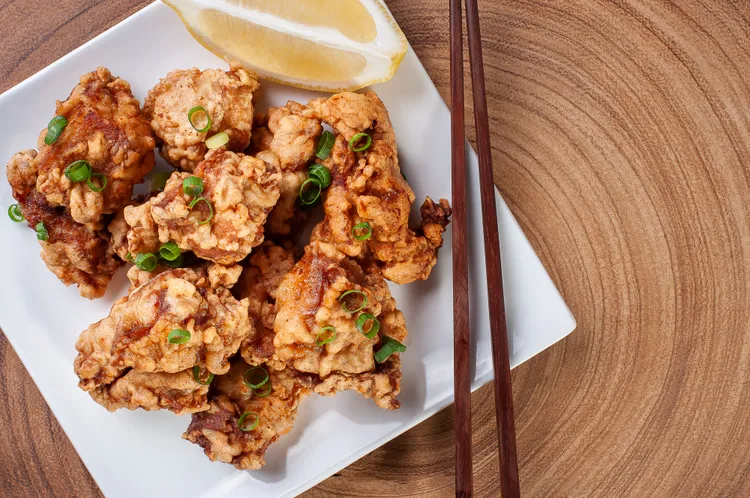
Karaage might be the most widely eaten fried chicken style in Asia. It is fundamentally different from Western fried chicken: smaller pieces, a soy-sake-ginger marinade rather than buttermilk, and a coating of potato starch (katakuriko) rather than seasoned flour. The result is lighter, crispier and more intensely flavoured. The deep-fried version is the original and best; the air-fried version is a serious contender for weeknight cooking.
The Marinade
The marinade is what distinguishes karaage from other fried chicken. It does two things: flavours the meat and tenderises it slightly via the ginger enzymes and sake. Do not skip it or shorten the time - 30 minutes is the minimum, 2 hours is better, overnight is excellent.
Marinade for 500g chicken:
- 2 tablespoons soy sauce
- 1 tablespoon sake
- 1 teaspoon sesame oil
- 1.5 teaspoons fresh ginger, grated (with juice)
- 1 clove garlic, grated or minced
- Black pepper to taste
Combine in a bowl, add chicken, mix to coat, cover and refrigerate. The marinade makes a noticeable difference - karaage without it produces acceptable fried chicken, not the real thing.
The Coating
Potato starch (katakuriko) is the traditional coating. It produces a lighter, crispier result than flour because it gelatinises differently at frying temperatures. Cornstarch is the best substitute; all-purpose flour produces a heavier crust. Most Asian grocery shops stock potato starch; it is increasingly available in larger supermarkets.
Some recipes use a 50/50 mix of potato starch and flour - this produces a sturdier crust that holds up better in bento boxes (the crunch survives longer). For eating immediately, pure starch is better.
Method 1: Deep-Fried (the Original)
Calories: ~420-450 kcal per 150g serving (approximately 5-6 pieces)
Remove chicken from marinade. Toss thoroughly in potato starch until evenly coated. Shake off excess.
Heat oil to 170°C / 338°F in a deep saucepan or wok - enough oil to submerge the chicken pieces. Fry in batches (no crowding - temperature drops significantly) for 3-4 minutes until pale golden. Remove and drain on a rack.
Once all pieces have been fried once, heat oil to 190°C / 375°F and fry each piece again for 1 minute. This double-fry is what gives karaage its distinctive crackling exterior. The first fry cooks the chicken through; the second fry drives out moisture and crisps the coating.
Serve immediately with wedges of lemon and Japanese mayonnaise (Kewpie).
Method 2: Air-Fried (Weeknight Version)
Calories: ~280-310 kcal per 150g serving - approximately 30-35% less fat than deep-fried
Coat the marinated chicken in potato starch as above. Spray the air fryer basket with oil. Arrange pieces in a single layer - do not stack. Spray the tops of the chicken lightly with oil.
Cook at 200°C / 400°F for 10-12 minutes, flipping halfway, until golden and the internal temperature reaches 75°C / 165°F. The crust will be crisp but not identical to deep-fried - it lacks the shattering quality of double-fried karaage. For a bento box, this difference matters less.
Method 3: Baked
Calories: ~260-290 kcal per 150g serving
The least crispy of the three methods but still acceptable. Preheat oven to 220°C / 425°F. Place coated chicken pieces on a wire rack over a baking tray - the rack allows air to circulate underneath. Brush or spray with oil. Bake for 18-20 minutes, turning once, until cooked through and golden. The crust will be less crackling than fried versions but the marinade flavour comes through fully.
Serving Suggestions
Karaage is traditionally served with:
- Lemon wedges (squeeze over immediately before eating)
- Kewpie mayo dipping sauce, sometimes with a little grated garlic or a squeeze of Sriracha
- A simple sunomono cucumber salad on the side - the vinegar acidity cuts through the fried chicken richness well
Meal Prep Notes
Karaage is best eaten fresh. If making ahead, deep-fry once only (the first pass), cool and refrigerate. Finish with the second fry just before serving. Air-fried karaage reheats adequately in an air fryer at 180°C for 3-4 minutes. For the broader context of how karaage fits into a week of Japanese home cooking, see the complete Japanese cooking guide.
Latest