How to Use Fresh Herbs Like a Chef (Not Like a Garnish)
Most home cooks use fresh herbs as a visual afterthought - a few leaves scattered on the plate for colour. Chefs use them as flavour architecture: herb oils, raw herb salads, cooked-in herbs, last-second additions timed to the dish. The difference in how food tastes and looks is significant.
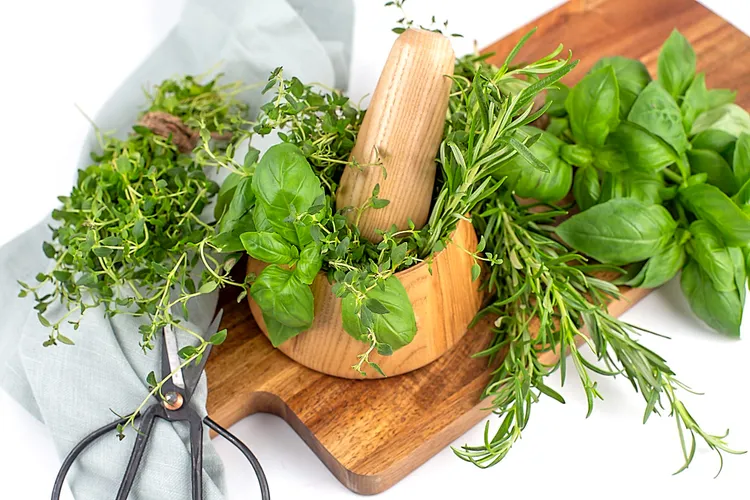
The timing of when you add herbs is the most important variable in herb cookery, and it's almost never mentioned in recipes. Hardy herbs (rosemary, thyme, sage, bay) go in early - they need heat and time to release their oils into fat or liquid. Delicate herbs (basil, tarragon, chervil, flat-leaf parsley, dill) go in at the very end, or not in the heat at all - their volatile aromatics disappear within 30 seconds of sustained heat. Adding basil to a sauce at the beginning is the equivalent of adding it and then throwing it away.
The Two Categories
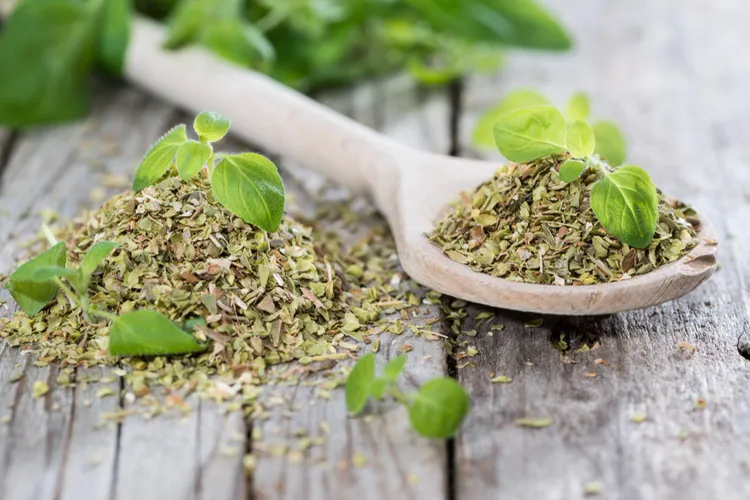
Hardy herbs (rosemary, thyme, sage, bay, oregano): Have robust oils that withstand cooking. Add to fat at the beginning of a recipe to infuse. Remove before serving if the texture is unpleasant (rosemary and bay). Frying sage in brown butter is the classic application - the heat crisps the leaves and extracts the camphor-like oils into the fat.
Delicate herbs (basil, flat-leaf parsley, chervil, tarragon, dill, mint, chives): Contain volatile aromatics that cook off almost instantly. Add at the very end of cooking (last 30 seconds), or raw. Most of their value is in the raw state - the fresh, grassy, anise, or citrus notes that disappear in heat.
Cilantro (coriander leaf) sits in the middle - more robust than basil, less so than thyme. It can go in near the end of a braise or be used raw in salads and salsas with equal success.
Herb Oils
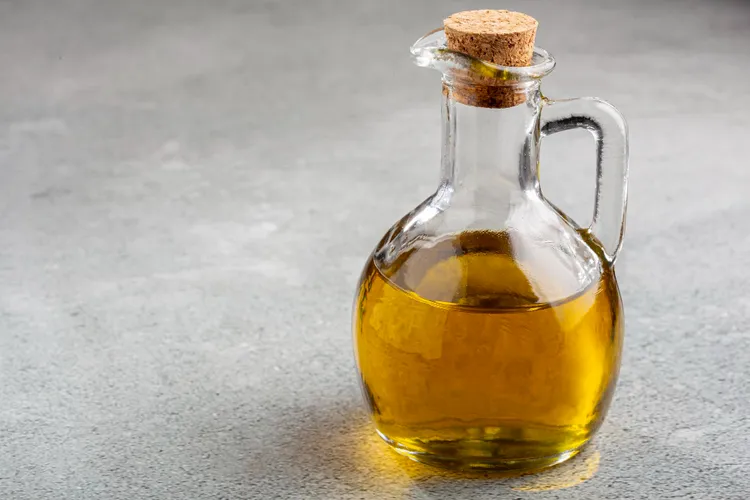
A herb oil is the most elegant way to use delicate herbs - it captures their flavour and colour in a stable form that keeps for days and makes any plate look finished and intentional. The technique: blanch, shock, blend, strain.
- Bring a pot of water to a rolling boil. Have a bowl of ice water ready.
- Blanch herb leaves for 20-30 seconds - enough to set the chlorophyll (which locks the colour) without cooking out the flavour.
- Transfer immediately to ice water. Leave for 2 minutes, then squeeze completely dry.
- Blend with good olive oil (80-100ml per 30g herbs) and a pinch of salt until very smooth - at least 2 minutes in a high-speed blender.
- Strain through a fine-mesh sieve or cheesecloth. Press to extract all oil. Discard solids.
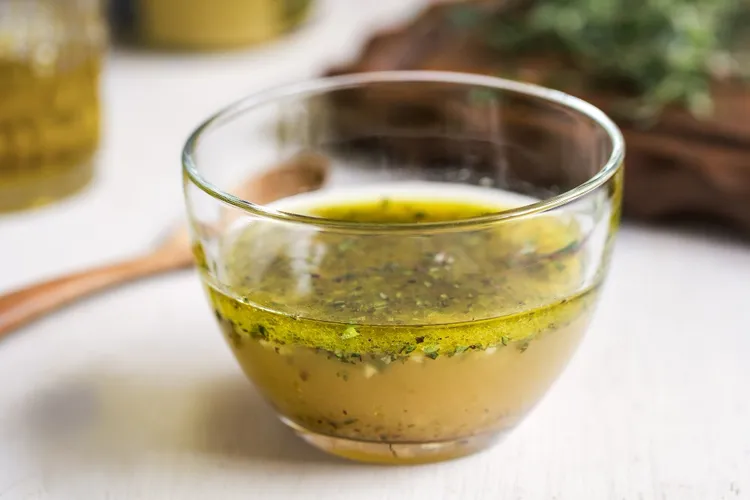
The result is a vivid green oil that retains both colour and flavour for 3-4 days refrigerated. Drizzle over burrata, white fish, soup, or anything that needs a fresh, bright finish. The basil oil in the burrata with roasted stone fruit in the quiet luxury cooking guide uses this exact method.
Herb oils also work with: flat-leaf parsley (good all-rounder), chive (elegant, mild onion note), dill (works well with fish and root vegetables), mint (excellent over lamb or yoghurt-based dishes).
Raw Herb Salads
French classical cooking has always treated fresh herbs as a salad ingredient. A handful of flat-leaf parsley, tarragon, chervil, and chives tossed with a light lemon vinaigrette is a legitimate side dish - or more commonly, used as the garnish/accompaniment to rich dishes like braised meat or foie gras, where the sharpness and freshness cut through the fat. This technique - treating herbs as leaves rather than seasoning - is underused at home and immediately effective.
Herb salad ratios: roughly 70% flat-leaf parsley, 20% tarragon, 10% chervil. Dress very lightly - just enough to coat the leaves. Serve immediately. Wilts quickly.
Infused Butter
Compound butters (herbs beaten into softened butter, then re-chilled) are one of the most practical herb applications in the kitchen. They keep for two weeks refrigerated, a month in the freezer, and they function as an instant sauce: a slice of herb butter placed on a hot piece of cooked protein melts into a basting liquid as it rests.
Classic combinations: flat-leaf parsley and garlic (maître d'hôtel butter), tarragon and shallot, chive and lemon, rosemary and anchovy. Roll into a log in cling film, refrigerate until firm, slice rounds as needed.
The One Herb Rule Worth Having
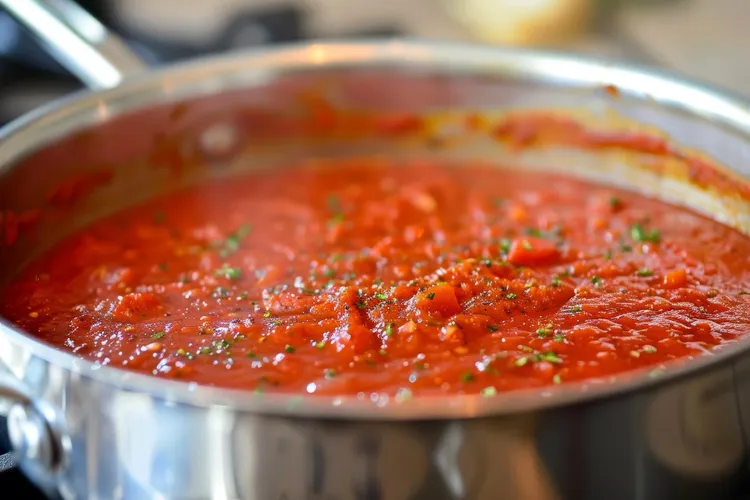
Add the herb at the stage where it will have maximum impact, not at the stage where the recipe tells you to add it (recipe writers are often vague about timing). For a tomato sauce: add basil in the last 30 seconds, not at the beginning. For roast chicken: thyme goes under the skin before roasting, fresh parsley goes on after carving. For a vinaigrette: add chives right before serving, not when you make the dressing.
The quiet luxury pantry always includes at least one fresh delicate herb (flat-leaf parsley is the most versatile) and one hardy herb. For how herbs fit into the broader approach to quiet luxury cooking, the full guide covers technique, flavour principles, and the ten core recipes.
Growing Herbs at Home
The gap between having fresh herbs and not having them is the difference between cooking well whenever you want and planning in advance for every meal. A windowsill with three or four pots - basil, flat-leaf parsley, chives, thyme - eliminates that planning entirely. The most useful combination for quiet luxury cooking: flat-leaf parsley (all-purpose, the backbone of the fresh herb kitchen), thyme (for roasting, sauces, and marinades), chives (finishing oils, compound butters, salads), and one soft herb that suits your cooking (basil for Mediterranean dishes, tarragon for French-influenced ones, dill for fish).
Basil requires warmth and direct sunlight - a south-facing windowsill in summer, or a grow light in winter. Most other herbs are more tolerant of lower light and cooler temperatures. Water herbs in the morning rather than the evening, from below (set the pot in a dish of water for 30 minutes) rather than from above. Overwatering kills more herbs than underwatering does.
Preserving Herbs Beyond the Fridge
Fresh herbs deteriorate rapidly. Hardy herbs (thyme, rosemary) keep 10-14 days refrigerated wrapped loosely in a barely damp paper towel inside a sealed bag. Delicate herbs (basil, parsley, dill) keep 5-7 days in a glass of water, stems submerged like flowers, covered loosely with a plastic bag, in the fridge - except basil, which turns black in the cold. Keep basil at room temperature.
For longer storage: herb oils (as covered above) keep 3-4 days. Frozen herb cubes - blend herbs with water or olive oil, freeze in ice cube trays - keep 3 months and work in cooked applications where the texture of the fresh herb isn't important. Dried herbs: only hardy herbs dry well at home; tie bundles and hang upside down in a warm, dry place for 2 weeks. Delicate herbs lose most of their character when dried.
Herb Salts and Their Uses
Herb salts are made by blending fresh herbs with coarse salt and allowing the mixture to dry. They function as both seasoning and garnish, carry the herb's flavour without adding moisture, and last for weeks. Rosemary salt (for roasting), thyme salt (for finishing roasted vegetables), parsley and lemon zest salt (for fish) - all are made the same way: pulse herbs and salt in a food processor until the herb is finely chopped and distributed through the salt. Spread on a baking sheet and leave to dry at room temperature for 24 hours, or in a 50°C oven for 1 hour. Store in an airtight jar.
The connection between herbs and the finishing layer of seasoning is explored in the article on how to season food properly. Fresh herbs are one of the most effective finishing elements in the quiet luxury toolkit - used correctly, they provide the brightness and contrast that completes a dish. For the full context of how herb technique fits into the approach, the quiet luxury cooking guide shows each application alongside the core recipes.
Building a Herb-Forward Dish
A dish built around herbs rather than a protein is one of the clearest expressions of the quiet luxury aesthetic: technically demanding, visually striking, nutritionally simple. A plate of roasted beetroot with whipped goat's cheese and a herb oil made from flat-leaf parsley and chive has three components, all of which are technically interesting and visually beautiful. The herb oil is the element that requires skill; the rest is straightforward. The result looks like something from a very good restaurant.
Building herb-forward dishes requires thinking about herbs in three roles simultaneously: cooked in (for background flavour), added at the end (for bright top notes), and as a garnish (for visual contrast). Using the same herb in all three roles creates a coherent, deep flavour profile rather than a scattered one. Thyme in the roasting fat, thyme in the sauce, a fresh thyme leaf as the finish - the dish tastes unmistakably of thyme in a way that using three different herbs wouldn't achieve.
Pairing Herbs with Proteins and Vegetables
Classic pairings are classic because they work - not because they're conservative. Tarragon and chicken: the anise note in tarragon complements the mild sweetness of good chicken in a way that's been verified by centuries of French cooking. Rosemary and lamb: the resinous, camphor note of rosemary cuts the richness of lamb fat. Dill and fish: the light, feathery quality of dill is delicate enough not to overpower fish. Mint and lamb: a British classic that works because mint's sharpness cuts through fatty meat.
Less obvious pairings worth trying: basil with stone fruit (the pepper in basil reads differently against sweet fruit than against savoury food - try it with the burrata and roasted peach dish in the quiet luxury cooking guide). Chervil with eggs (extremely classical French combination - chervil's mild anise complements the richness of egg yolk perfectly). Tarragon with asparagus. Chive with potato. These are not experimental combinations - they have long track records in classical cooking and are reliable.
Drying Your Own Herbs
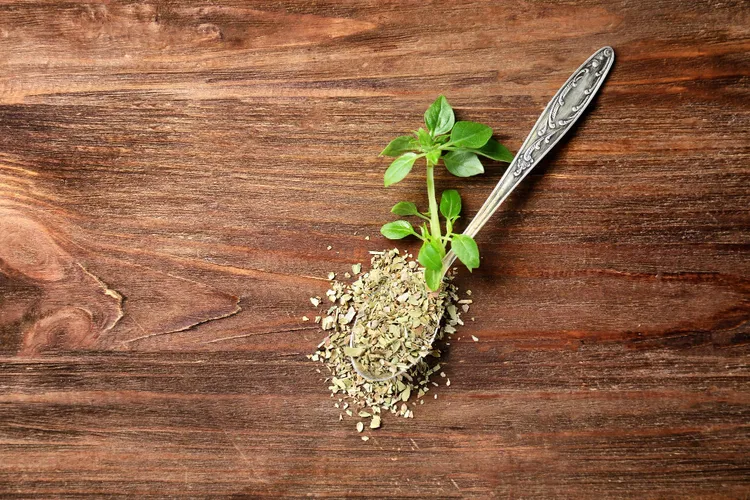
As noted, most herbs don't dry well at home. The exceptions are worth understanding because home-dried versions are substantially better than the commercial product for those that do work. Thyme and rosemary are the primary examples. Tie small bunches loosely and hang upside down in a warm, dry, dark place (not the kitchen, where humidity is high) for 10-14 days. The dried herbs should smell strongly and cleanly of the original plant. Store in glass jars away from light and heat. Use within 6-9 months.
Lavender, which is used sparingly in some Provençal cooking (excellent in shortbread, in a bouquet garni, with lamb), dries well from garden-grown plants. Bay laurel leaves, dried at room temperature for 3-4 weeks, are significantly better than commercial dried bay - more aromatic, more complex, worth growing a bay tree for if you have outdoor space.
Herb Butters for Every Season
Matching the herb butter to the season is one of the simplest ways to keep the technique fresh throughout the year. Spring: chive and lemon zest butter, served with asparagus or young vegetables. Summer: basil and garlic butter for grilled fish or corn. Autumn: sage and brown butter compound (make the brown butter first, cool, then beat in fried sage) for pasta, risotto, or roasted squash. Winter: rosemary and anchovy butter for lamb, beef, or roasted root vegetables - the anchovy dissolves completely during cooking and adds salinity and umami without any fishy taste.
The technique for each is identical: 100g softened unsalted butter, herbs and seasonings beaten in until evenly combined, rolled into a log in cling film, refrigerated until firm. The variations are endless and each one is a week's worth of elevated weeknight cooking. A slice from the log placed on hot food as it rests melts into a sauce-like consistency and perfumes the whole plate with the herb character.
Microherbs and When They're Worth It
Microherbs - the seedling stage of herbs and other plants, harvested before the first true leaves develop - are a restaurant plating staple that has genuine applications at home. They're more flavour-intense per gram than mature herbs (all the plant's energy is concentrated in a small space), they have a visual delicacy that mature herbs can't match, and they require no preparation beyond placing.
Worth buying occasionally: micro basil (sweet, intensely aromatic), micro shiso (subtle anise-pepper quality), micro pea shoots (fresh, sweet, textural). Available from specialty greengrocers and increasingly from supermarkets in small packets. Use the day of purchase - they're fragile. Place with tweezers or careful fingers as a finishing element after plating. The connection to the plating principles is direct: microherbs placed deliberately provide the delicate visual contrast that quiet luxury plating uses as a finishing touch. The full context is in the quiet luxury cooking guide.
Latest