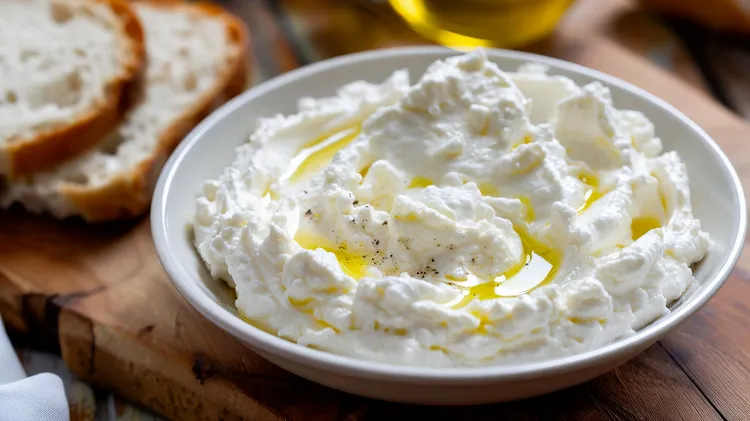
Classic Whipped Feta Dip (5-Minute Base Recipe)
The foundational whipped feta recipe - feta, cream cheese or yogurt, and olive oil blended into a smooth, tangy dip in about five minutes.
This is the version to learn first. Once this ratio is second nature, every flavored variation in this guide is just this base plus one or two additions.
Ingredients
- 8 oz block feta, drained (not the crumbled kind in a tub, which is often coated in anti-caking starch)
- 4 oz cream cheese or 1/2 cup full-fat Greek yogurt, room temperature
- 3 tbsp olive oil, plus more for serving
- 1 tbsp lemon juice
- 1 small garlic clove (optional)
- Freshly cracked black pepper
Instructions
- Cut the feta into rough chunks and add it to a food processor with the cream cheese or yogurt.
- Process for 30 seconds, scraping down the sides once.
- With the processor running, drizzle in the olive oil and lemon juice.
- Add the garlic if using, then process for another 30 to 45 seconds, until the mixture is smooth, pale, and noticeably lighter in texture than when you started.
- Taste and adjust; feta's saltiness varies quite a bit by brand, so don't add salt until you've tasted the finished dip.
- Transfer to a serving bowl, swirl the top with the back of a spoon, and finish with a drizzle of olive oil and cracked pepper.
Nutrition (per serving, about 2 tbsp)
- Calories: ~90 kcal
- Protein: 3g
- Carbs: 1g
- Fats: 8g
Why Block Feta and Not Crumbled
Pre-crumbled feta is coated in cellulose or potato starch to keep the pieces from sticking together in the tub, and that coating keeps it from blending into anything truly smooth. A block of feta, drained and patted dry, breaks down cleanly in a food processor with none of that grittiness left behind.
Cream Cheese vs Greek Yogurt
Cream cheese gives a richer, denser whip that holds its shape well on a board, which is the better choice if you're serving this as part of a spread and want it to look substantial. Greek yogurt produces a lighter, tangier result with fewer calories, and it loosens slightly at room temperature, which makes it the better pick if you're serving the dip on its own with a spoon rather than as a scoopable centerpiece.
Fixing Common Texture Problems
If the dip stays grainy after a full minute of processing, the feta likely wasn't fully broken down before the fat was added; stop, scrape the bowl, and give it another 20 to 30 seconds on its own before adding anything else. If it turns out too loose or soupy, you added the olive oil too fast or used a particularly wet block of feta; a spoonful of extra cream cheese brought back up to room temperature and blended in will tighten it back up.
Make It Ahead
This dip actually improves slightly after a few hours in the fridge, since the flavors have time to settle. Bring it back to room temperature for 20 to 30 minutes before serving so the olive oil doesn't look separated and cloudy on top. For the full window on how long this keeps and whether it freezes, see our storage guide.
Choosing a Good Block of Feta
Feta sold in brine, in a tub or vacuum-sealed block, is worth seeking out over the dry, pre-crumbled kind for this recipe specifically. Greek feta, traditionally made from sheep's milk or a sheep-and-goat blend, tends to be tangier and creamier than Bulgarian or French versions, which lean slightly milder and firmer. Any of the three works fine here; the main thing to avoid is a feta that's been sitting dry and exposed on a deli counter without brine, since it dries out and loses moisture that the recipe depends on for a smooth result.
Scaling the Recipe Up
This recipe doubles or triples cleanly for a bigger gathering. The main adjustment is running the food processor in batches rather than overfilling it in one go: most standard-size processors handle up to about 16 ounces of feta plus its cream cheese or yogurt comfortably, but pushing much past that leads to uneven blending, since the blade can't move the mixture around the bowl as effectively when it's packed too full. If you're making a triple batch, blend it in two separate rounds and combine both in a large bowl with a quick stir at the end.
A Word on Salt
Resist the urge to add salt at the start. Feta's own brine already carries a significant amount of sodium, and how much varies noticeably by brand, aging time, and whether it's packed in brine or oil. Taste the finished, blended dip before adding anything extra; more often than not it needs none at all, and adding salt reflexively before tasting is one of the more common ways this simple recipe goes slightly wrong.
What a Good Batch Looks and Feels Like
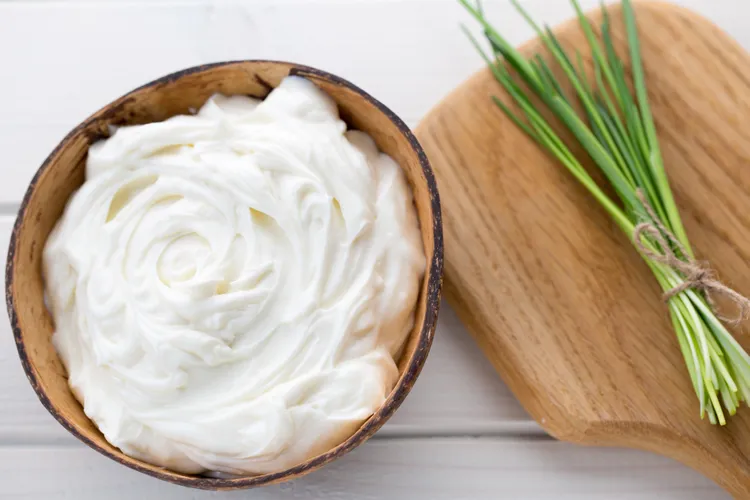
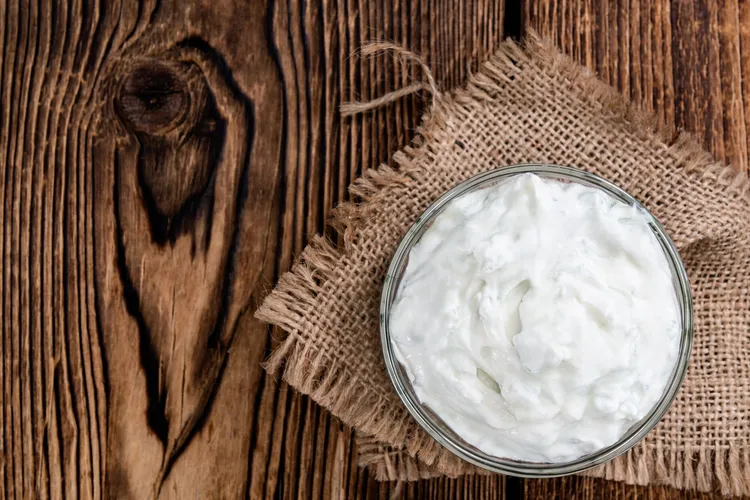
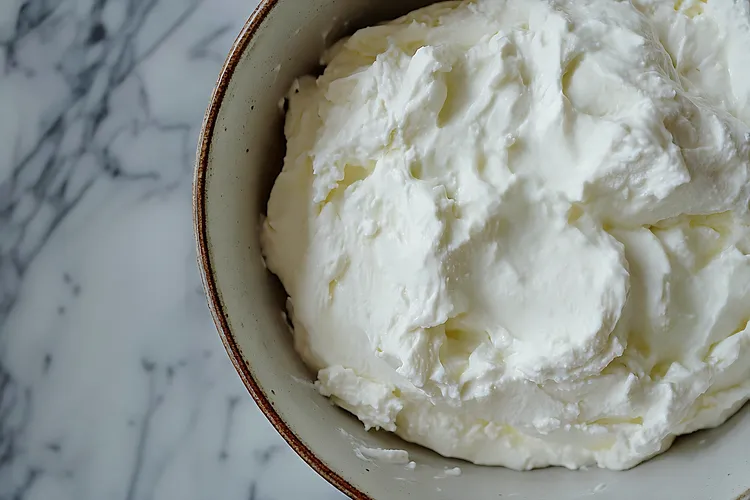
A properly whipped batch should hold a soft peak briefly when you lift the spoon out, similar to soft-whipped cream rather than stiffly whipped, and it should look noticeably paler than the feta looked going in, since incorporated air lightens the color along with the texture. If you drag a spoon through it and the surface holds a visible ridge without immediately collapsing flat, that's a good sign the fat and air have properly combined. A batch that's still slightly translucent or shiny in a wet, unincorporated way usually needs another 15 to 20 seconds in the processor.
Adapting the Ratio for Different Occasions
For a firmer dip meant to hold its shape on a board for a couple of hours, lean toward the cream cheese version and slightly reduce the olive oil by a tablespoon, which gives a denser result that resists softening as quickly at room temperature. For a dip meant to be eaten immediately, right off the spoon, the Greek yogurt version with the full amount of olive oil gives a lighter, more immediately spoonable texture that doesn't need to hold its shape for very long.
Storing Leftover Feta Brine
If your feta came packed in brine and you have leftover liquid after using the block, it's worth saving in a sealed jar in the fridge for up to a couple of weeks. A splash of it stirred into a vinaigrette or used to brine olives adds a genuinely useful salty, tangy note that would otherwise just go down the drain.
Doubling as a Sandwich Spread
Beyond a dip, this exact recipe works well spread thinly on a sandwich in place of mayonnaise or plain cream cheese, particularly on something with grilled or roasted vegetables, where its tang cuts through the richness of char and olive oil. A thin layer on a wrap with cucumber, tomato, and a handful of greens turns a fairly plain lunch into something with real flavor for very little extra effort.
Adjusting the Recipe for Fewer or More Servings
For a smaller batch, meant for two people rather than a full gathering, halve every ingredient and reduce the processing time slightly, since a smaller volume whips a bit faster than a full batch. For a genuinely large gathering, closer to 20 or more guests, it's usually more reliable to make two or three separate full batches rather than one giant one, both for food processor capacity reasons and because a fresh batch added partway through a longer event keeps things looking and tasting fresher than one large batch sitting out the whole time.
Frequently Asked Questions
Can I use low-fat cream cheese or feta?
You can, though the texture will be slightly less rich and the dip may loosen a bit more at room temperature. Full-fat versions of both hold their shape better on a board and taste noticeably creamier.
Why does my whipped feta taste bitter?
This is almost always the garlic, either too much raw garlic or garlic that's been processed for too long and turned slightly acrid. Start with less garlic than you think you need and add more to taste, or swap in roasted garlic for a milder result.
Can I make this in advance for a party?
Yes. It holds well in the fridge for up to five days in a sealed container. See our full storage guide for exact timing and how to bring it back to room temperature texture.
Pairing With Wine and Drinks
A dry white wine or a light, crisp rosé pairs well with the plain version's tang and saltiness, cutting through the richness without competing with any single dominant flavor since this base recipe doesn't lean sweet or spicy on its own. This makes it a flexible starting point for a drinks pairing in a way that a more flavor-forward variation, like the hot honey version, is somewhat more restrictive about.
A Simple Variation for Breakfast
Thin the base recipe slightly with an extra splash of olive oil and skip the garlic, then spread it on toast with a drizzle of honey and a few fresh berries for a savory-leaning breakfast that takes the same technique in an entirely different direction than its usual dinner-party use.
Understanding Why This Specific Ratio Works
The roughly two-to-one ratio of feta to cream cheese (or feta to yogurt) in this recipe isn't arbitrary; it's calibrated so that feta's flavor still leads while the cream cheese or yogurt does the structural work of smoothing everything out. Push the ratio much further toward cream cheese and the dip starts tasting more like seasoned cream cheese than whipped feta, losing the tangy identity that makes the dish worth making in the first place. Push it too far the other way, with more feta and less softening agent, and the mixture struggles to fully smooth out even with a full minute or more of processing, since there isn't enough fat and moisture relative to the dry, crumbly cheese to carry it to a truly whipped texture.
Adjusting for Altitude or Humidity
In a very humid kitchen, feta can sometimes carry slightly more surface moisture than usual, which can make the finished dip a touch looser than expected; if this happens, a tablespoon of extra cream cheese blended in tightens it back up. This isn't a major concern for most home cooks, but worth knowing if you notice inconsistent results between batches made on different days.
Why This Recipe Is a Good Starting Point for New Cooks
Beyond its role in this specific guide, this recipe is a genuinely good one for someone newer to cooking generally, since it teaches a transferable skill (recognizing when a food processor mixture has reached the right consistency) without any risk of over- or undercooking the way an actual heat-based recipe carries. Mistakes here are also easy to fix in real time, simply adding a bit more of one ingredient or running the processor a little longer, rather than needing to start over from scratch the way a failed baking recipe often does.
What if I don't have a food processor at all?
See our full tools guide for how a blender, hand mixer, or even a fork can substitute, with some adjustment to technique and time.
Where to Take It From Here
This base recipe is intentionally plain so it's easy to build on. For something sweeter and more current, try the hot honey version. For a warmer, more dinner-party-appropriate take, whipped feta with blistered tomatoes is worth the extra ten minutes at the stove. If you want a broader set of flavor add-ins beyond those two, our roundup of mix-ins covers several more directions using this same base.
For the full picture of how whipped feta fits alongside whipped ricotta and other whipped cheese dips, see our complete guide.
Latest