Whipped Feta Pasta Sauce
How to turn whipped feta into a fast, creamy pasta sauce using nothing more than hot pasta water and a hot pan.
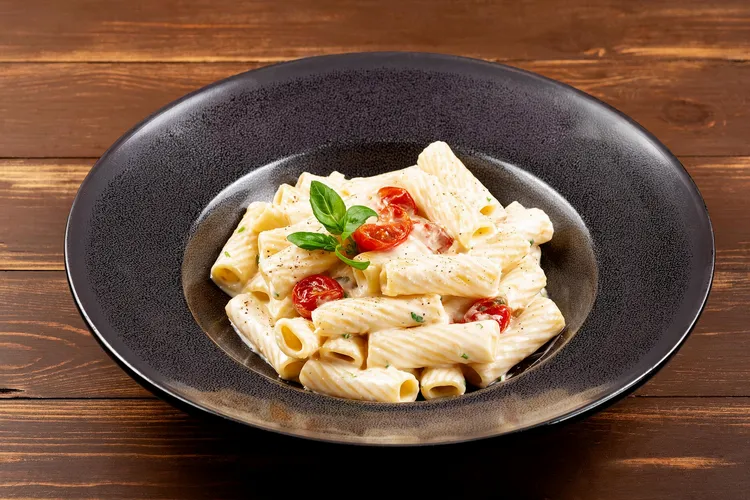
Whipped feta doesn't have to stay in a dip bowl. Thinned slightly and tossed with hot pasta, it turns into a creamy, tangy sauce in about the time it takes the pasta itself to cook.
Ingredients
- 12 oz short pasta (penne, rigatoni, or orecchiette all work well)
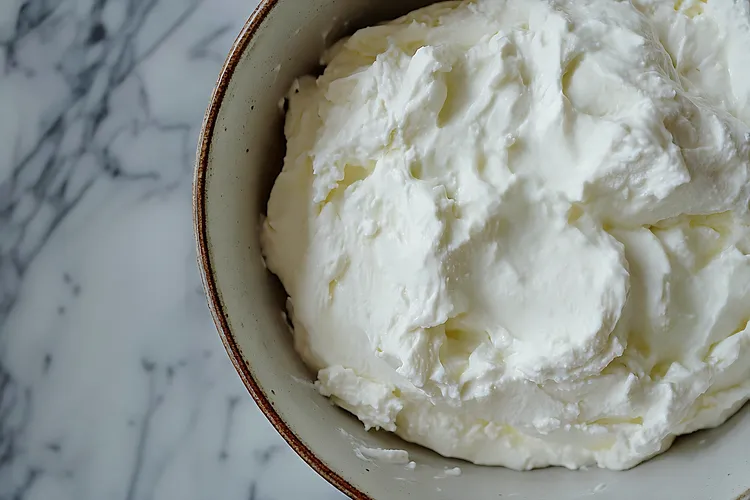
- 1 batch classic whipped feta, or 8 oz feta blended with 2 tbsp olive oil and 1 tbsp lemon juice
- 2 garlic cloves, minced
- 2 tbsp olive oil
- 1/2 to 3/4 cup reserved pasta water
- Cherry tomatoes, halved (optional)
- Fresh basil or parsley, torn
- Red pepper flakes (optional)
Instructions
- Bring a large pot of well-salted water to a boil and cook the pasta according to package directions until al dente.
- While the pasta cooks, heat the olive oil in a large skillet over medium heat and sauté the garlic for about 1 minute, until fragrant but not browned. Add the cherry tomatoes if using and cook for 3 to 4 minutes until softened.
- Reserve at least a cup of pasta water before draining, then drain the pasta.
- Add the whipped feta to the skillet along with about 1/2 cup of the reserved pasta water, stirring until it loosens into a smooth, sauce-like consistency.
- Add the drained pasta directly to the skillet and toss thoroughly, adding more pasta water a splash at a time if the sauce looks too thick or isn't coating the pasta evenly.
- Finish with torn basil or parsley, a crack of black pepper, and red pepper flakes if using.
Nutrition (per serving)
- Calories: ~420 kcal
- Protein: 14g
- Carbs: 52g
- Fats: 17g
Why Pasta Water Is the Key Step
Pasta water carries starch released during cooking, and that starch is what actually lets the whipped feta loosen into a coherent sauce rather than clumping or breaking. Plain water thins the feta but doesn't help it emulsify the same way, so skipping the reserved starchy water for a splash of tap water gives a noticeably less cohesive result.
Getting the Right Consistency
Add the pasta water gradually rather than all at once. The sauce should coat the back of a spoon and cling to the pasta without pooling in a watery layer at the bottom of the bowl; if it looks too thick after the first half cup, add more a tablespoon at a time until it loosens up properly.
Add-Ins Worth Trying
- Crispy prosciutto: Crisped in a dry pan and crumbled over the top for salt and crunch.
- Lemon zest: Finished over the top for brightness that cuts through the richness.
- Toasted pine nuts or walnuts: Add texture and a slightly nutty contrast to the tangy sauce.
- Wilted spinach or arugula: Stirred in during the last minute of tossing for some green and a touch of bitterness.
Make It Ahead
The whipped feta base can be made up to 2 days ahead and kept refrigerated; make the sauce fresh when you're ready to eat, since it doesn't reheat particularly well once it's already been tossed with pasta (the sauce tends to break and turn oily on reheating). For general storage timing on whipped feta itself, see our storage guide.
Choosing Your Pasta Shape
Short, ridged, or tubular shapes, penne, rigatoni, or orecchiette, hold this sauce especially well, since the sauce clings to ridges and pools inside tubes rather than sliding off the way it might with a very smooth, long noodle. A long pasta like spaghetti or linguine still works fine, but toss it a bit more thoroughly to make sure the sauce coats evenly rather than settling mostly at the bottom of the bowl.
Turning This Into a Full Dinner
Add a protein directly to the skillet before tossing in the pasta: shredded rotisserie chicken, sautéed shrimp, or crumbled Italian sausage all work well and turn this from a light appetizer-adjacent dish into a complete dinner. Add the protein once it's fully cooked, right before the whipped feta goes in, so it has a chance to warm through in the sauce without overcooking.
Making It Vegetarian-Forward
Roasted vegetables, zucchini, eggplant, or bell peppers, stirred in alongside the tomatoes add bulk and make this a heartier vegetarian main rather than a simple pasta side. Roast the vegetables separately in the oven while the pasta water comes to a boil, then fold them in at the same point you'd add the whipped feta, so timing works out without extra steps added to the stovetop process.
Why This Works as a Weeknight Shortcut
This recipe leans on the same underlying idea as a lot of fast pasta sauces: a small amount of concentrated, flavorful fat and cheese, loosened with starchy pasta water, coats a whole pot of pasta far more efficiently than trying to build a traditional simmered sauce from scratch in the same amount of time. Once the whipped feta base exists (whether made fresh or pulled from the fridge a day or two ahead), the entire sauce comes together in the time it takes pasta to boil, which puts this squarely in the same fast-dinner category as a classic cacio e pepe or aglio e olio.
Adjusting the Sauce for Leftovers
If you're intentionally making extra to have leftovers the next day, slightly undercook the pasta (closer to just shy of al dente) since it continues to soften as it sits in the sauce overnight and reheats more evenly without turning mushy. Store leftovers with a splash of extra water or broth mixed in, since the sauce thickens considerably once refrigerated and needs a bit of loosening to come back to its original consistency when reheated gently on the stovetop.
Scaling for Meal Prep
This sauce can be scaled up and portioned into individual containers for a few days of quick lunches, though it's worth keeping the sauce and pasta stored together rather than separately, since reheating them combined helps the sauce redistribute more evenly than trying to recombine them cold from two separate containers. Reheat gently on the stovetop with a small splash of water or broth rather than in the microwave at full power, which can cause the sauce to separate and turn oily.
Adjusting Richness
For a lighter version, use the Greek yogurt variation of the whipped feta base rather than the cream cheese version, which noticeably reduces the richness of the final sauce without losing the tang that makes it work in the first place. For an even richer, more indulgent version, stir in a tablespoon of butter along with the reserved pasta water for extra glossiness and body.
Frequently Asked Questions
Can I make the whipped feta base ahead and just make the sauce quickly at dinner time?
Yes, this is actually the ideal way to approach it. Make the whipped feta a day or two ahead following the classic recipe, then the actual sauce comes together in under 10 minutes once the pasta is boiling.
Why did my sauce turn oily instead of creamy?
This usually means not enough pasta water was used, or it was added too quickly rather than gradually. The starch in the reserved pasta water is what actually binds the fat and cheese into a cohesive sauce; without enough of it, the fat separates back out and pools rather than emulsifying.
Can I use whipped ricotta instead of feta for this sauce?
Yes, though the result will be milder and creamier rather than tangy. It works especially well with roasted vegetables or a simple lemon and black pepper finish rather than anything that depends on feta's saltiness for balance.
What if I forgot to reserve pasta water before draining?
Use a small amount of plain hot water in a pinch, though the sauce won't emulsify quite as smoothly. A splash of the pasta's own starchy water genuinely does make a noticeable difference, so it's worth setting a reminder to scoop some out before draining next time.
Serving Size and Portioning
This recipe as written serves about 4 people as a main course. For a lighter portion alongside a salad or another dish, it stretches to 5 or 6 servings without needing to increase the sauce quantity, since the whipped feta base is rich enough that a slightly smaller amount per plate still tastes fully satisfying.
Why This Isn't Quite the Same as a Traditional Cream Sauce
Unlike a traditional cream-based pasta sauce, which relies on reducing heavy cream to thicken and build richness, this sauce gets its body almost entirely from the whipped feta's own fat content combined with pasta starch, without needing any separate reduction step on the stove. That makes it noticeably faster than a classic Alfredo-style sauce, since there's no waiting for cream to reduce, just warming and combining ingredients that are already close to their final texture going in.
A Simple Side Salad to Round It Out
A simple arugula salad with lemon and olive oil, served alongside rather than mixed into the pasta, adds a fresh, peppery contrast to the rich sauce without requiring much additional prep. This is a fast way to round out the meal into something that feels complete without adding real time to an already quick recipe.
Why Reserved Whipped Feta Makes This a Realistic Weeknight Option
The main time investment in this whole dish is really the base whipped feta recipe, and once that's already made and sitting in the fridge (as it often will be if you've been working through the other recipes in this guide), turning it into a full pasta dinner takes barely more effort than boiling water and warming a pan, putting this squarely in the same realistic-weeknight category as far simpler pantry pasta dishes.
A Note on Leftover Whipped Feta From Other Recipes
If you have leftover whipped feta from a previous gathering, made following the hot honey or a mix-in variation rather than the plain base, this sauce still works, just with a slightly different underlying flavor profile depending on what was originally mixed in. A mild herb or roasted garlic variation translates especially well into this sauce, while a very sweet variation like hot honey feta is better saved for its original intended use rather than repurposed here.
This recipe is a good reminder that a dip and a sauce are often more closely related than they initially seem, separated mainly by consistency and how they're served rather than by fundamentally different ingredients or technique. Once that connection clicks, it's worth looking at other dips in your regular rotation with the same question in mind: with a bit of thinning and the right starchy liquid, could this work as a sauce too. More often than not, the answer turns out to be yes, and this recipe is a genuinely good template for figuring out how.
A Dish Worth Repeating Regularly
Given how little additional effort it takes once the whipped feta base already exists, this is a genuinely reasonable dish to fold into a regular weeknight rotation rather than saving for a special occasion, especially on nights when time is short but a genuinely satisfying, flavorful dinner still matters more than usual. Keeping a batch of the base whipped feta on hand specifically for this purpose is a small habit that pays off repeatedly across a busy week.
Doubling the Recipe for a Crowd
This recipe doubles cleanly for a larger group, though it's worth cooking the pasta in two batches or a very large pot if doubling fully, since overcrowded pasta water cooks less evenly and can affect the starch concentration you're relying on for the sauce. The sauce-making step itself, once the pasta is drained, scales up with no real adjustment needed beyond a bigger skillet, making this a reasonable option even for a larger group dinner rather than just a meal for two or four, with no meaningful change to the overall technique described above, beyond keeping an eye on pot size and pasta water starch concentration as the batch grows.
For the base recipe this sauce is built on, and other directions to take whipped feta in, see our complete whipped feta and ricotta guide.
Latest