How Long Whipped Feta and Ricotta Last (Storage and Make-Ahead Guide)
How long whipped feta and whipped ricotta actually keep in the fridge, whether either freezes well, and how to bring a chilled dip back to its right texture.
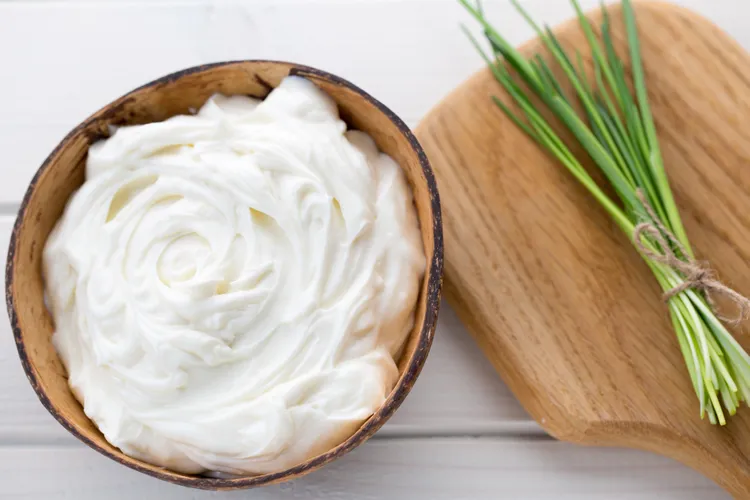
Both dips are genuinely good make-ahead options for entertaining, but they don't keep indefinitely, and treating them the same way isn't quite right since feta and ricotta behave a little differently once refrigerated.
How Long Whipped Feta Keeps
Whipped feta made with cream cheese keeps well in a sealed container in the fridge for up to 5 days. The version made with Greek yogurt instead of cream cheese has a slightly shorter window, closer to 3 to 4 days, since yogurt's higher moisture content makes it a bit more prone to separating over time.
How Long Whipped Ricotta Keeps
Whipped ricotta keeps for about 3 to 4 days in the fridge, a shorter window than whipped feta, since ricotta itself has a shorter fresh shelf life than a firmer cheese like feta to begin with. Sweet versions with added fruit should be eaten within a day or two once the fruit is mixed in, since fruit releases liquid that speeds up spoilage.
Does Either One Freeze Well
Neither whipped feta nor whipped ricotta freezes particularly well. Both dips rely on a smooth, aerated texture that freezing disrupts; ice crystals form within the whipped structure and, once thawed, the texture turns noticeably grainy and separated no matter how well you re-blend it. If you genuinely need to freeze extra, whipped feta holds up slightly better than ricotta, but expect to re-whip it after thawing and accept a somewhat looser result than the original.
How to Store It Properly
- Use an airtight container, not just plastic wrap over a bowl, to prevent the surface from drying out or picking up other fridge odors.
- Press a piece of plastic wrap directly onto the surface of the dip before sealing the container, which helps prevent a skin from forming on top.
- Keep any toppings, like fresh herbs, fruit, or a honey drizzle, separate until just before serving rather than mixed in ahead of time.
Bringing It Back to the Right Texture
Both dips firm up and lose a bit of their airiness after chilling, which is normal and not a sign anything went wrong. Let whipped feta sit at room temperature for 20 to 30 minutes before serving, and whipped ricotta for 15 to 20 minutes, since it's the lighter, more delicate texture of the two. If either dip looks slightly separated after chilling, a quick 15 to 20 second stir with a spoon, or another short pulse in the food processor, brings it right back.
Planning Ahead for a Gathering
Make the base dip up to 2 days ahead for either cheese, store it properly sealed, and add any warm toppings, like blistered tomatoes or a hot honey drizzle, right before serving. This is one of the more genuinely useful appetizers for entertaining since almost all of the work can happen well ahead of time. For meal timing across a larger spread, consillar.com/mealprep is worth building this into if you're planning several make-ahead dishes for the same event.
Signs It's Gone Bad
Watch for a sour smell beyond the dip's normal tang, visible mold, or a texture that's turned watery and separated in a way a quick stir doesn't fix. When in doubt with any dairy product this far past its ideal window, it's not worth the risk.
Why These Specific Timeframes
The difference in shelf life between whipped feta and whipped ricotta comes down to each cheese's starting moisture level and how it's traditionally aged. Feta is a brined, aged cheese with a naturally lower moisture content and a built-in preservative in the form of its salty brine, both of which slow spoilage. Ricotta is a fresh, unaged whey cheese with high moisture and no brine to speak of, which is exactly why it spoils faster on its own, whipped or not.
Transporting It to a Party
If you're bringing either dip somewhere rather than serving it at home, keep it in its sealed container inside a cooler bag with an ice pack for the drive, especially in warm weather or if the trip is longer than 30 minutes. Add any toppings, like a honey drizzle or fresh herbs, once you arrive rather than before you leave, both for food safety and because most toppings look and taste better added just before serving anyway.
Refreshing Leftovers
If you have leftover dip that's sat out for a while at a gathering, discard it rather than saving it once it's been out at room temperature for more than two hours, standard food safety guidance for any dairy-based dip. For dip that stayed properly chilled and was only served briefly, a quick stir and 15 to 20 minutes back at room temperature is usually enough to restore its texture for a second serving.
Storing Individual Flavor Variations
Variations with added fresh produce, like blistered tomatoes or fresh fruit mixed into sweet ricotta, generally have a shorter safe window than the plain base recipes, closer to 2 to 3 days, since fresh produce introduces its own moisture and bacteria that can accelerate spoilage compared to the base dip alone. Dry additions, like za'atar or roasted garlic fully blended in, don't meaningfully shorten shelf life compared to the plain base.
Freezer Alternatives Worth Considering Instead
If you genuinely want to prep something for the freezer well ahead of an event, consider freezing the raw ingredients separately rather than the finished whipped dip. A block of feta freezes reasonably well on its own for up to two months, and thaws with a slightly softer texture that's actually fine once it's going into a food processor anyway. This sidesteps the texture problems that come from freezing the fully whipped, aerated result.
Checking a Batch Before Serving Leftovers
Beyond the visible signs of spoilage already covered, give any stored batch a quick smell test before serving it again, even within the recommended window. Fresh whipped feta or ricotta should smell tangy and mild, similar to the cheese it started as; if it smells noticeably sourer or sharper than when it was made, that's worth treating as a sign to discard it even if it's within the general timeframe, since storage conditions and exact freshness at the time of purchase can shift things earlier or later than the average guidance.
How Portion Size Affects Storage
A larger batch stored in one big container tends to stay fresher slightly longer than the same total amount split across several smaller containers, since less of the total surface area is exposed to air in one large container. If you're planning to use portions across several days, it's still worth splitting a very large batch into two containers rather than one, mainly to avoid repeatedly opening and exposing the entire batch to room air and utensils each time you take some out.
Frequently Asked Questions
Can I leave whipped feta or ricotta out at room temperature during a party?
For up to about two hours, yes, which is standard for any perishable dairy dish. Beyond that window, it should go back in the fridge or be discarded, particularly in a warm room or outdoors in summer weather.
Does adding lemon juice extend shelf life?
Not meaningfully. The small amount of lemon juice in these recipes is there for flavor, not preservation, and doesn't change the storage timeline described above.
Can I portion it into smaller containers to freeze just a little?
You can try, but expect a noticeably grainier texture after thawing regardless of portion size, since the issue is the freezing process itself disrupting the whipped structure, not the amount frozen.
Is it safe to eat whipped feta or ricotta past the recommended window if it looks and smells fine?
The recommended windows are conservative estimates meant to account for typical storage conditions, but when in doubt with any dairy product, trust a genuinely off smell or texture over the calendar, and don't push much past the outer edge of the stated range regardless of appearance.
Labeling Containers for Multiple Batches
If you regularly make more than one variation at a time, label each container with the date and flavor direction before it goes in the fridge; whipped feta and ricotta in their base, unflavored form look quite similar once chilled, and a quick label saves the guesswork of trying to identify a specific batch by taste alone days later.
Where in the Fridge to Store It
Store either dip toward the back of the fridge rather than in the door, where temperature fluctuates more with each time the fridge is opened. A more consistent, colder temperature toward the back helps both dips stay fresher for closer to the longer end of their respective storage windows rather than the shorter end.
What Happens If You Accidentally Freeze It
If a batch does end up frozen, whether intentionally or by accident (pushed too far back in a fridge running colder than expected), thaw it slowly in the refrigerator rather than at room temperature, which helps limit some of the textural damage compared to a fast thaw. Once thawed, a brief re-blend in the food processor can smooth out some of the graininess, though as covered above, it won't fully return to its original pre-frozen texture.
Keeping Track of Multiple Storage Windows at Once
If you're preparing several components ahead of a single event, whipped feta, blistered tomatoes, hot honey, it helps to note each one's individual storage window rather than assuming they all follow the same timeline. Dry, shelf-stable components like hot honey last for weeks, the base whipped cheese lasts several days, and any fresh produce-based toppings should be made closest to serving day of all three.
A Simple Reference Table to Keep in Mind
- Whipped feta (cream cheese base): up to 5 days refrigerated, does not freeze well
- Whipped feta (yogurt base): 3 to 4 days refrigerated, does not freeze well
- Whipped ricotta (plain or savory): 3 to 4 days refrigerated, does not freeze well
- Sweet whipped ricotta with fruit mixed in: 1 to 2 days refrigerated once fruit is added
- Hot honey or other shelf-stable toppings: weeks at room temperature, unaffected by the base dip's shorter window
Getting storage right is really the difference between whipped feta and ricotta being a genuinely convenient make-ahead option and being just another dish that has to be made at the last minute. With the timelines above in mind, both dips earn their reputation as some of the more genuinely useful advance-prep appetizers available, holding their quality reliably for several days rather than needing to be assembled the same day they're served. That reliability is a big part of why these two recipes have earned a permanent place in regular entertaining rotations rather than staying a one-off novelty.
A Habit Worth Building
Getting into the habit of dating containers and checking them before serving takes only a few extra seconds but meaningfully reduces the chance of an unpleasant surprise days later. This small bit of discipline is really the entire difference between confidently using storage guidance like this and having to guess each time, and it pays off most clearly during a busy entertaining season when multiple batches and components are moving through the fridge at once.
A Note on Restaurant-Style Holding Practices
Professional kitchens generally hold cold dips like these at or below 40°F throughout service, often using an ice bath beneath the serving bowl for anything sitting out longer than an hour. Borrowing this trick at home, nestling the serving bowl into a slightly larger bowl filled with ice, is a simple way to extend safe serving time at a longer party without needing to repeatedly swap the dip in and out of the fridge, and it also helps the dip hold its texture better than it would sitting fully at room temperature for an extended stretch, a small effort that pays off noticeably at a longer event.
For the base recipes this storage guidance applies to, see our classic whipped feta and whipped ricotta recipes, or head back to the complete guide.
Latest